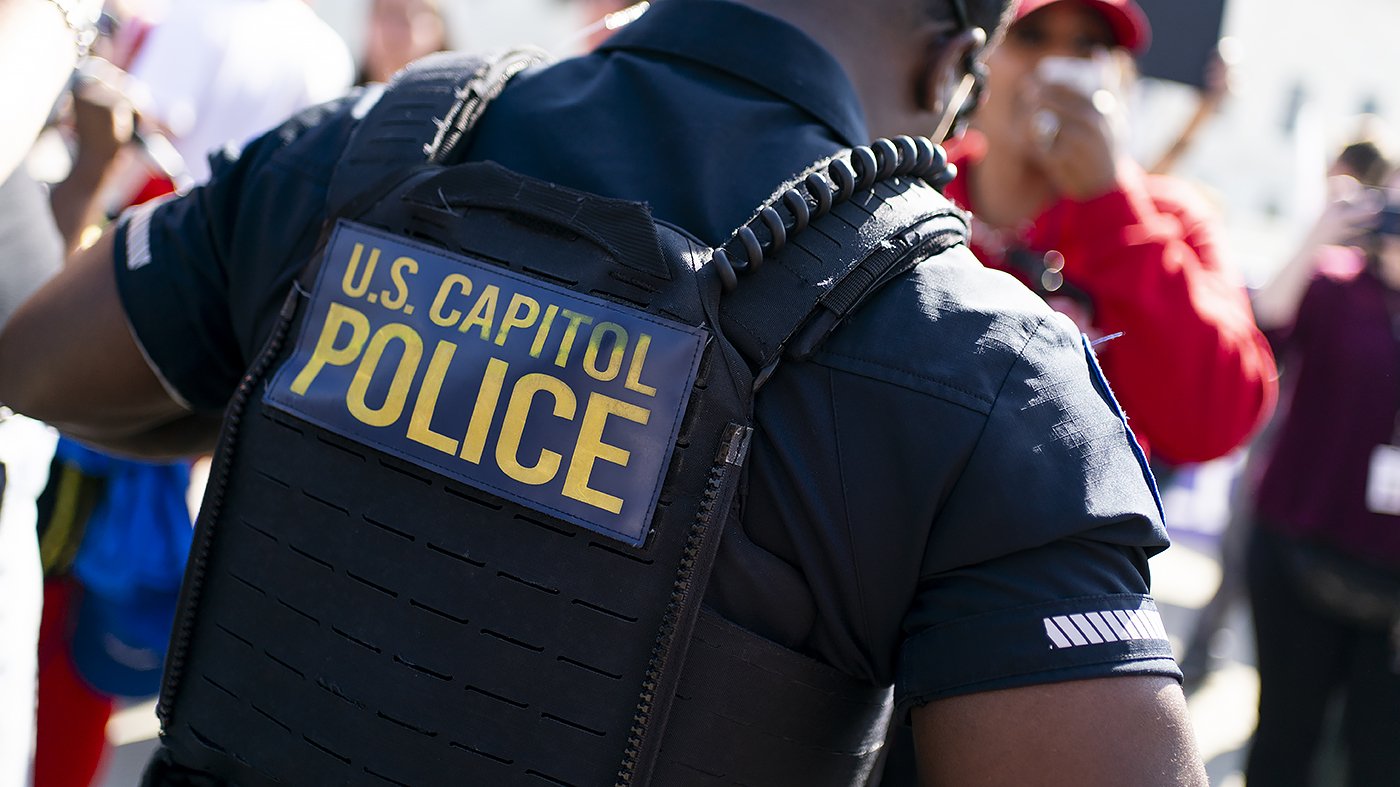
The union representing U.S. Capitol Police officers has scheduled a formal vote of no confidence against two senior commanders overseeing the House of Representatives side of the Capitol complex. The move, set for April 22, represents a significant escalation in long-simmering tensions between rank-and-file officers and department leadership.
‘Exhausted’ Officers and Systemic Failures
Union Chairman Gus Papathanasiou stated the vote targets House Division Inspector Brian Verderese and Captain Aaron Robinson over working conditions that have left officers physically and mentally drained. He described a force pushed to its limits, with officers routinely working six-day weeks, pulling double shifts, and being denied leave due to year-round restrictions.
“Rather than address the root cause of the problem, which is a lack of manpower and lack of leadership, the department has attempted to fire officers who made mistakes,” Papathanasiou said in a statement. He warned that current deployment changes would only accelerate departures, further crippling the department's operational capacity.
Lingering Fallout from January 6
The planned rebuke underscores how internal strife within the Capitol Police has persisted more than three years after the January 6, 2021, insurrection. Papathanasiou asserted that the treatment of uniformed officers has worsened since the attack, with leaders having “hung out to dry” the personnel who defended the Capitol. This will be the union's second major no-confidence vote; the first, held in the riot's aftermath, condemned then-Acting Chief Yogananda Pittman and other top officials.
The department is now under the leadership of Chief Michael Sullivan, who took command at the beginning of the year. However, the union’s action signals that his tenure has yet to resolve fundamental grievances over staffing, resources, and command decisions.
Broader Recruitment and Retention Crisis
Beyond immediate working conditions, the union points to a deeper recruitment and retention crisis. Papathanasiou cited “deficiencies in our retirement system” that make the force less competitive with other federal law enforcement agencies, complicating efforts to rebuild its ranks. This internal turmoil coincides with the force requesting a historic budget exceeding $1 billion for the current fiscal year, citing a dramatic increase in violent threats against members of Congress.
The Capitol Police’s struggles reflect a wider climate of institutional strain in Washington. As seen when congressional leaders face internal pressure over political conduct, and during events like the bipartisan Holocaust remembrance ceremony addressing rising threats, security and stability on Capitol Hill remain precarious.
Leadership Under Scrutiny
The U.S. Capitol Police declined to comment on the pending vote. The specific targeting of the House Division commanders suggests particular frustrations with security management and resource allocation for the chamber, which has been a frequent flashpoint for protests and heightened threat activity.
This labor action highlights the challenging environment for federal agencies tasked with protecting democratic institutions. Similar tensions between frontline workers and administration have played out in other sectors, such as when public school districts narrowly averted strikes with last-minute union deals. The outcome of the April 22 vote will be a clear indicator of whether Capitol Police leadership can mend its fractured relationship with the officers who safeguard the legislative branch.