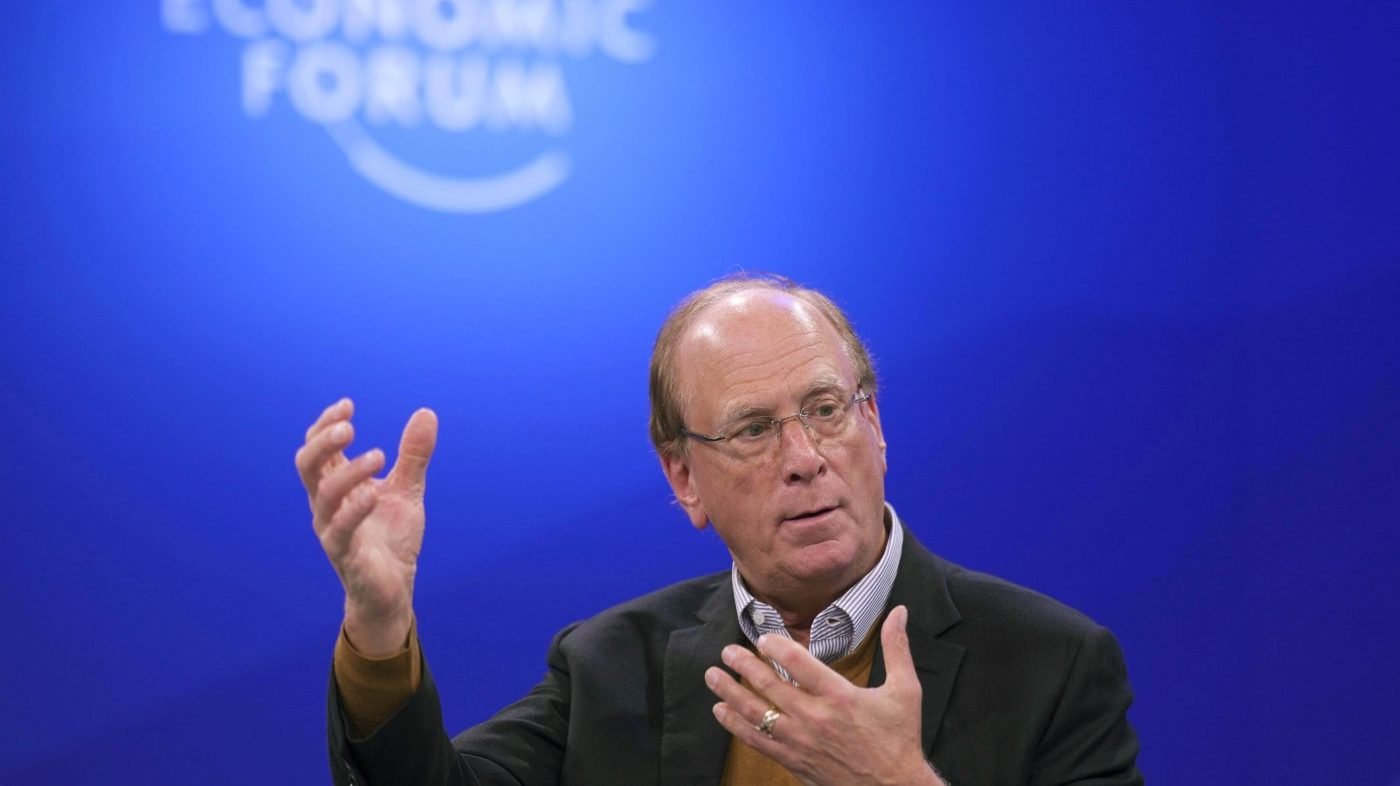
In a stark assessment of the escalating conflict with Iran, BlackRock Chairman and CEO Larry Fink has warned that sustained oil prices near $150 per barrel would likely trigger a severe global recession. Fink's comments, made during a BBC podcast interview, frame the economic stakes of the ongoing military confrontation as a binary choice between two extreme outcomes for the world economy.
Two Paths for the Global Economy
Fink argued that the long-term economic impact hinges entirely on the conflict's resolution. One scenario, he suggested, sees Iran reintegrated into the global community, with its oil returning to markets and stabilizing prices. The alternative, far darker path is a prolonged regional threat from Tehran, resulting in "years of above $100, closer to $150 oil." The latter, Fink stated bluntly, would have "profound implications for the economy," creating conditions for a "stark and steep recession." He contrasted this with the economic growth enabled by lower, $40-range oil prices.

The warning comes as global energy markets reel from Iran's counterstrikes on U.S. bases and energy infrastructure, which have effectively closed the critical Strait of Hormuz oil corridor. Benchmark Brent crude traded around $103 per barrel Wednesday, with U.S. West Texas Intermediate at approximately $91. The disruption has already sent U.S. gasoline prices soaring by over a dollar per gallon in the past month, with the national average reaching $3.98.
Administration Scrambles for Solutions
The Trump administration has deployed multiple tools to counteract the price spike, emphasizing domestic production, tapping the Strategic Petroleum Reserve, and temporarily lifting sanctions on Iranian, Russian, and Venezuelan oil already shipped. The Environmental Protection Agency also lifted its summer ban on higher-ethanol E15 fuel in a bid to increase supply. The Energy Secretary has signaled further action may be forthcoming if prices continue to climb.
Fink is not alone in his grim forecast. United Airlines CEO Scott Kirby told CNBC this week that he expects high energy prices from the conflict to persist into next year, leading the airline to reduce flight schedules to hedge against prolonged economic pressure. "We want to be prepared for a scenario where oil prices are higher for longer," Kirby said, acknowledging the planning reflects the significant global destabilization that Americans now associate with the Iran conflict.
The economic warnings underscore how the security crisis is rapidly translating into tangible financial risk. As one former NATO envoy recently argued, the global shockwaves from this confrontation could dwarf the fallout from the Iraq War, affecting everything from consumer spending to industrial output. The political ramifications are also intensifying, with the President's approval rating suffering under the dual pressures of the conflict and rising pump prices.
While the immediate focus remains on energy, the strain is spreading to adjacent sectors. The agricultural industry, for instance, is monitoring potential ripple effects on fertilizer costs and supply chains, though some officials have downplayed the immediate impact citing pre-season purchases.
Fink concluded that it remains "too early" to predict the ultimate outcome, but his analysis presents a clear warning to policymakers and markets: the path chosen in the Persian Gulf will define the global economic trajectory for years to come, with little room for a moderate middle ground.