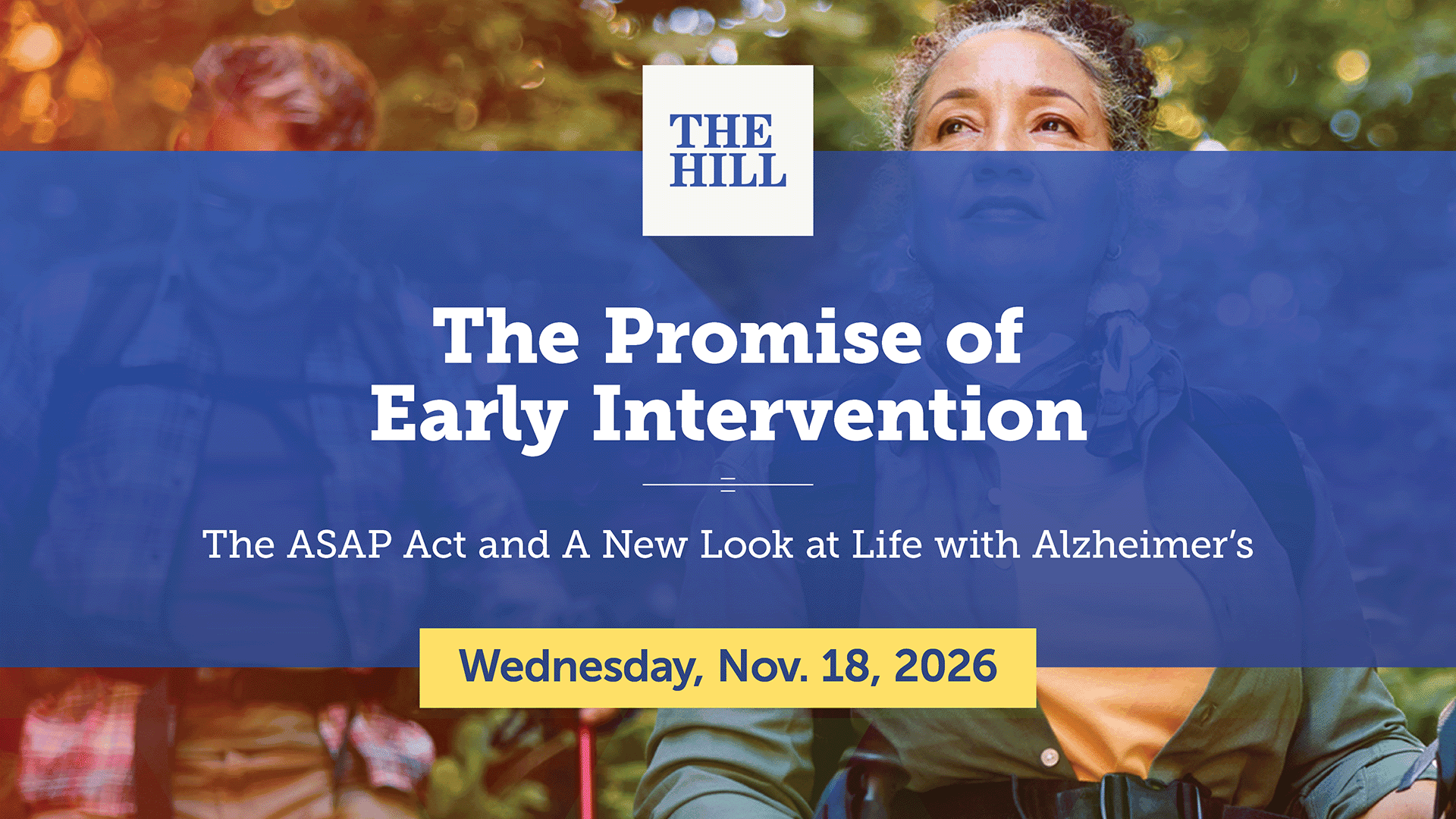
With more than 7 million Americans currently living with Alzheimer's disease—a figure projected to climb to 13 million by 2050—lawmakers are pushing to make early detection more accessible. The bipartisan Alzheimer's Screening and Prevention Act (ASAP) would authorize Medicare to cover blood tests cleared for Alzheimer's screening, a move supporters say could transform diagnosis and care.
Alzheimer's toll and awareness gap
Alzheimer's kills more Americans annually than breast cancer and prostate cancer combined, and women are disproportionately affected. Yet a recent HealthyWomen survey found that only 13% of women aged 45–64 know about FDA-approved blood tests for the disease, even though 90% say they'd take one.
That lack of awareness is compounded by a coverage barrier: Medicare currently does not pay for these tests. The ASAP Act, introduced with bipartisan support, would close that gap, making the tests available to millions of seniors.
Early intervention and real-life impact
Advocates stress that a diagnosis is not a death sentence. Many people diagnosed early continue to lead active lives, and early detection allows for better planning and access to treatments that may slow progression. The HealthyWomen campaign This is ALZ highlights these personal stories.
On Tuesday, The Hill, in partnership with HealthyWomen, is hosting a policy briefing featuring lawmakers, health experts, patients, and advocates to discuss the survey findings and the path to expanding access. The event begins at 12:30 p.m. EST and will be streamed live above.
The push comes amid broader political maneuvering in Washington, but the Alzheimer's issue has drawn rare bipartisan cooperation. Lawmakers from both parties have co-sponsored the ASAP Act, signaling a shared priority on public health.
For those interested in the legislative details, the bill would direct Medicare to cover blood tests that have received FDA clearance for Alzheimer's screening. This would include tests that detect biomarkers associated with the disease, potentially allowing for earlier diagnosis and intervention.
As the midterm elections approach, health policy remains a key voter concern. The ASAP Act is one of several healthcare measures gaining traction, and its fate could hinge on the political climate in the coming months.
The briefing also comes at a time when public opinion on other issues is divided, but Alzheimer's is one area where consensus is possible. The hope is that expanding access to early testing will not only save lives but also reduce long-term healthcare costs.
Watch the live video above to hear from experts and advocates about the promise of early intervention and the legislative efforts to make it a reality.