The four astronauts of NASA's Artemis II mission are en route back to Earth after a historic journey that took them farther from our planet than any humans before them. According to former NASA astronaut Jose Hernandez, the crew experienced unprecedented views of the moon and forged deep personal connections during their landmark lunar flyby.
Unprecedented Lunar Perspective
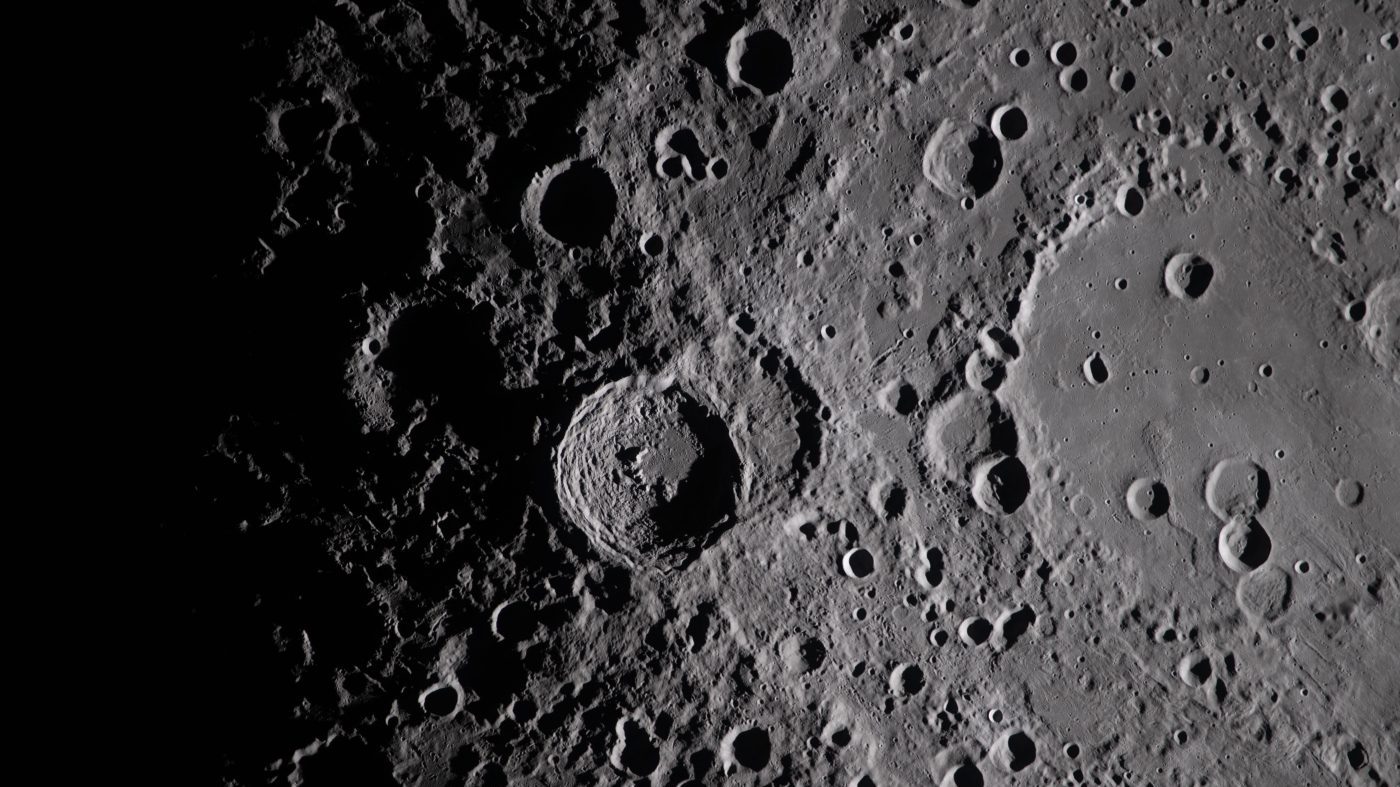
Hernandez emphasized that the Artemis II crew achieved a unique observational milestone. "This is the first time they're seeing the far side of the moon as a whole," he explained. He contrasted this with the Apollo missions, where astronauts flew approximately 70 miles above the lunar surface, resulting in fragmented views. The Artemis II trajectory provided a comprehensive, holistic view of Earth's celestial neighbor that no human had previously witnessed.

Beyond the lunar observations, the crew also documented a solar eclipse during their mission. Hernandez noted they "were able to study the corona of the sun," referring to the star's outermost atmospheric layer. This scientific opportunity, coupled with their comprehensive lunar survey, reportedly led to the identification of previously unknown craters on the moon's surface.
Crew Forged in Communication Silence
A significant, unplanned event during the mission served as a profound human experience. Hernandez revealed that a 40-minute communications blackout, during which the crew lost contact with NASA mission control, became a "big bonding experience." Isolated in deep space with only each other for support, the astronauts shared a moment of singular reliance. "They just had each other for those 40 minutes, and it's a moment they're never going to forget. They're going to be lifelong friends," Hernandez stated, highlighting the psychological dimension of long-duration spaceflight.
The mission itself set a new benchmark in human space exploration. On Monday, the Orion spacecraft carrying the crew ventured more than 252,000 statute miles from Earth, officially surpassing the 248,655-mile record set by the Apollo 13 mission in 1970. This milestone underscores the scope of the Artemis program's ambition to return humans to the moon and establish a sustainable presence.
The successful execution of this flyby is a critical test for the systems needed for future lunar landings. As the first crewed lunar mission in five decades, Artemis II's primary role is to validate the spacecraft's life support, communication, and navigation systems with astronauts on board. The observations and data collected during the flight are vital for de-risking the planned Artemis III lunar landing mission.
The crew's return journey continues as NASA prepares for a critical end-phase of the mission. The agency is scheduled to provide updates on re-entry and recovery plans, as detailed in a forthcoming briefing on Artemis II mission progress. The safe return of the crew will mark the completion of a foundational step in America's renewed deep-space exploration agenda.
Hernandez's insights provide a human-centric narrative to the technical and geopolitical achievements of Artemis II. While the mission advances scientific knowledge and tests engineering boundaries, the former astronaut's commentary reminds us that the endeavor remains, at its core, a profoundly human journey—forging bonds under extreme conditions and expanding the sensory experience of our species into the cosmos.