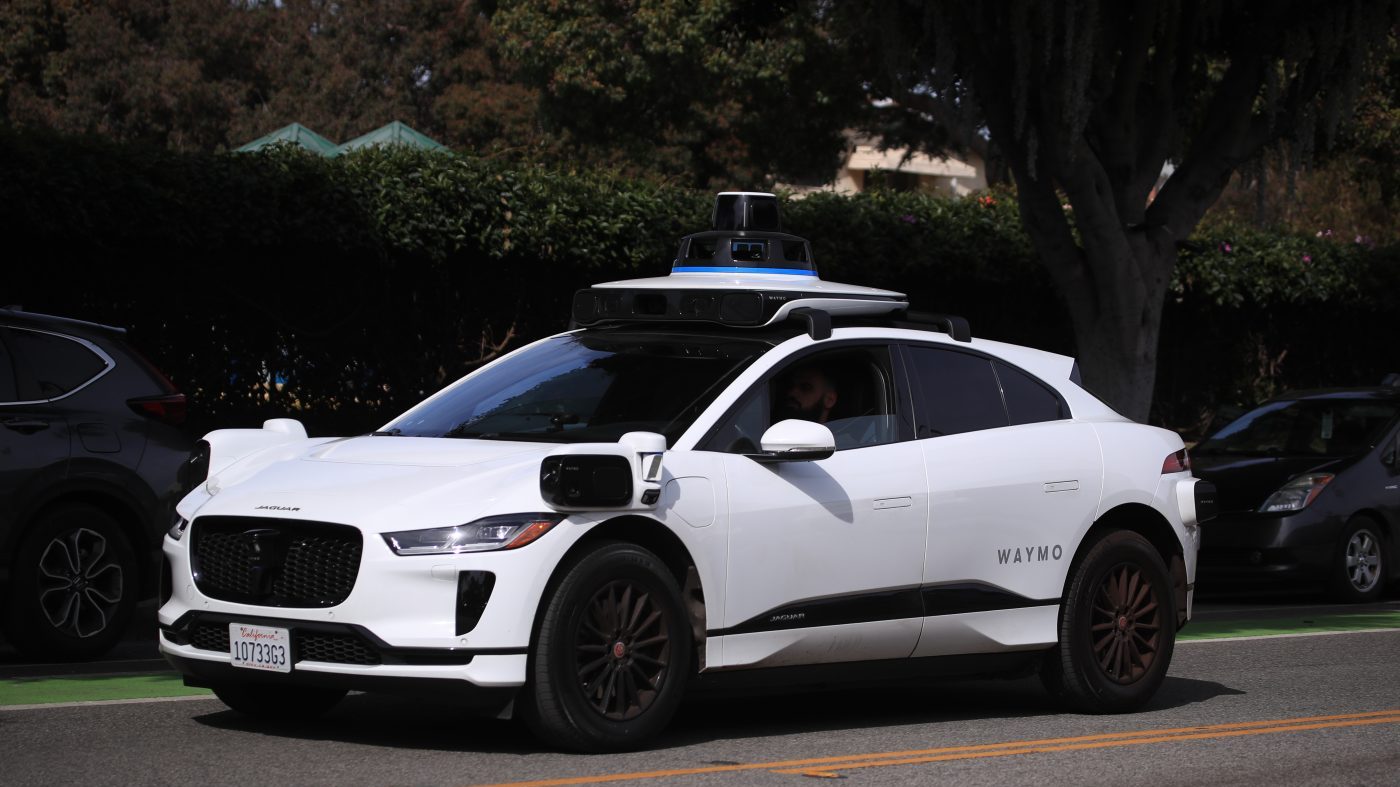
Waymo has temporarily grounded its autonomous vehicles on freeways, the company confirmed Thursday, as it works to refine how its robotaxis handle construction zones. The pause affects only highway operations; surface street service continues as normal.
In a statement to Nexstar's KRON, a Waymo spokesperson emphasized safety as the company's top priority. “We have temporarily paused freeway operations, as we work to integrate recent technical learnings into our software and expect to resume these routes soon,” the spokesperson said.
The decision stems from an internal review that identified room for improvement in how Waymo's cars navigate specific configurations in freeway construction zones. The company noted that its vehicles already handle such areas more than 10,000 times daily and described the pause as a proactive step to further enhance performance.
This isn't the first regulatory hiccup for the Alphabet-owned autonomous taxi service. Earlier this month, Waymo recalled 3,791 robotaxis after the National Highway Traffic Safety Administration flagged a risk that the vehicles might fail to stop when encountering flooded roadways at higher speeds. The NHTSA report warned that “entering an untraversable flooded roadway can result in loss of vehicle control.”
The back-to-back safety actions come as autonomous vehicle companies face heightened scrutiny from regulators and the public. While Waymo has generally maintained a strong safety record compared to human drivers, any pause in service can feed skepticism about the technology's readiness for widespread deployment.
Waymo expects to resume freeway routes soon, but has not provided a specific timeline. The company is likely under pressure to restore full service quickly, especially as competitors like Cruise and Tesla push ahead with their own autonomous programs.
The suspension also highlights broader challenges in autonomous driving technology. Construction zones present a complex mix of temporary signage, lane shifts, and human workers—scenarios that can confuse even the most advanced AI systems. Waymo's decision to pull back and refine its software reflects a cautious approach that prioritizes safety over speed.
Meanwhile, political and regulatory dynamics continue to shape the autonomous vehicle landscape. The Biden administration has pushed for clearer federal guidelines, while some states have moved to accelerate testing. Waymo's pause could become a talking point for both supporters and critics of the technology.
For now, Waymo riders in cities like San Francisco and Phoenix will have to rely on surface streets for their trips. The company says it will keep the public informed as it works through the technical updates.