NASA Schedules Briefing on Historic Lunar Mission Progress
NASA leadership will hold a press conference Tuesday afternoon to deliver a status update on the ongoing Artemis II mission, the first crewed flight toward the moon in over fifty years. The briefing comes as the four astronauts aboard the Orion spacecraft prepare for their scheduled return to Earth this Friday, concluding a landmark ten-day test flight.
A Mission of Record-Breaking Proportions
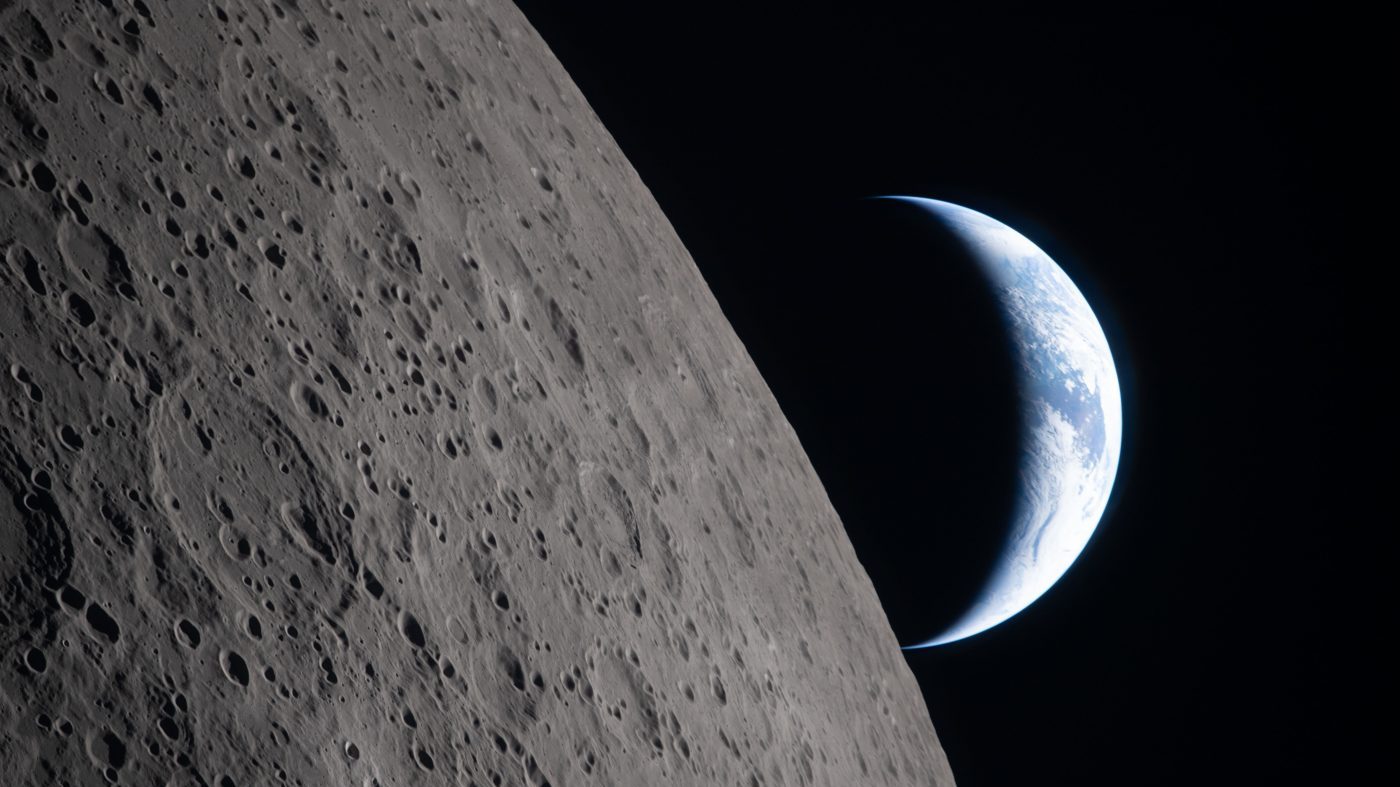
Launched last week, Artemis II represents a critical step in NASA's renewed lunar ambitions. The mission has already achieved a significant milestone, with the Orion capsule on Monday venturing farther from Earth than any previous crewed spacecraft in history, surpassing the distance record set during the Apollo 13 mission. This achievement underscores the technical leaps made since the last Apollo missions and paves the way for future permanent lunar exploration plans announced by the administration.

The crew—Commander Reid Wiseman, Pilot Victor Glover, Mission Specialist Christina Koch, and Canadian Space Agency Mission Specialist Jeremy Hansen—received a congratulatory call from President Donald Trump on Monday. During the conversation, the President invited the astronauts to the White House following their recovery and humorously suggested he would request their autographs. The call adds a political dimension to the mission's narrative, reflecting the administration's focus on legacy-defining achievements.
Technical and Political Context
The Tuesday briefing, scheduled for 4:30 p.m. EDT, is expected to cover technical assessments of the Orion spacecraft's performance, trajectory details for the return journey, and the overall health of the crew. Success in this mission is paramount for the timeline of the Artemis program, which aims to land astronauts on the lunar surface by the latter part of this decade.
This high-profile mission unfolds against a complex domestic backdrop, where other historic pressures are emerging. For instance, the mission's success contrasts with significant economic challenges on the ground, including record-breaking fuel prices that threaten supply chains and inflation. Furthermore, the administration's budgetary priorities are under constant scrutiny, with areas like public health funding often subject to cyclical cuts despite recent crises.
The political resonance of space exploration remains potent. The President's personal engagement with the crew mirrors a tradition of linking presidential prestige to space milestones, while also drawing public attention to a major federal program. The live coverage of the briefing and the mission's conclusion will be closely watched by international partners and competitors alike, as the United States reasserts its leadership in human spaceflight.
As the crew completes its final operations in deep space, all systems are being checked for the high-speed re-entry and splashdown. The safe return of the Artemis II astronauts is the final critical objective of this test flight, setting the stage for subsequent missions intended to establish a sustained human presence on and around the moon.