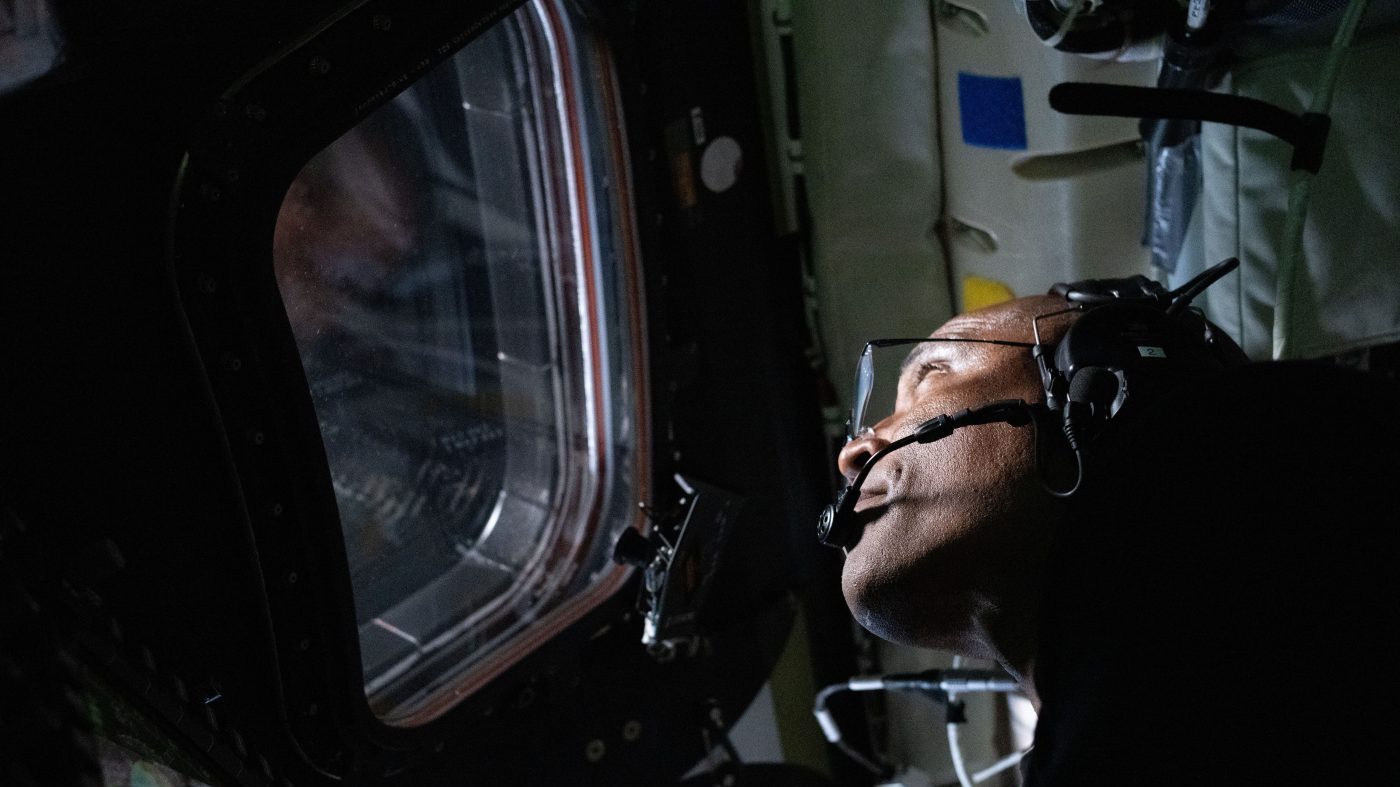
The four astronauts of NASA's Artemis II mission are scheduled to return to Earth Friday evening, concluding a groundbreaking ten-day journey that carried them farther from our planet than any humans in history. Their Orion spacecraft is expected to splash down in the Pacific Ocean off the coast of San Diego, capping the first crewed mission to the moon in more than five decades.
A Crew of Pioneers
Commander Reid Wiseman, Pilot Victor Glover, Mission Specialist Christina Koch, and Canadian Space Agency Mission Specialist Jeremy Hansen launched on their lunar flyby on April 1. Their mission represents a critical test of the spacecraft and systems needed to return humans to the lunar surface, a cornerstone of NASA's broader Artemis program. The crew has already shattered the distance record set by Apollo 13, traveling deeper into space and paving the way for planned lunar landings later this decade.

High-Stakes Return Operation
The final phase of the mission involves a meticulously planned and high-risk re-entry and recovery. According to planning documents, the return will be assisted by a precisely choreographed sequence of parachute deployments, U.S. Navy divers, and military helicopters standing by for immediate recovery. This high-stakes Pacific splashdown is the culmination of years of development and testing for the Orion capsule's heat shield and landing systems.
NASA's live coverage of the event is scheduled to begin at 6:30 p.m. Eastern Daylight Time. The anticipated splashdown is estimated for approximately 8:07 p.m. EDT, weather and technical conditions permitting. The agency has provided regular updates on the mission's progress, including a recent detailed briefing as the crew neared Earth.
Historic Context and Future Implications
The success of Artemis II is a pivotal moment for international space exploration and U.S. technological leadership. It demonstrates the viability of the Orion spacecraft and Space Launch System rocket for carrying astronauts, a essential step before the Artemis III mission aims to land astronauts near the lunar south pole. The crew's journey has captured global attention, including a notable call from former President Donald Trump congratulating the astronauts during their flight.
Throughout their mission, the astronauts conducted system checks, reported on their health and the spacecraft's performance, and shared their experiences with the public. They provided unprecedented views of the lunar surface and discussed the dynamics of crew bonding during the long-duration flight. In a public outreach effort that blended tradition with modern media, NASA and Spotify released an official wake-up playlist for the crew, continuing a five-decade tradition of musical cues in spaceflight.
The mission's conclusion comes as Washington grapples with other significant issues, including a Congressional return to debates over war powers concerning Iran. However, the safe return of the Artemis II crew will stand as a singular achievement in science, engineering, and international cooperation, setting the stage for the next era of lunar exploration and sustained human presence beyond low-Earth orbit.