Top officials from the U.S. Army and the Federal Emergency Management Agency (FEMA) are scheduled to address reporters Tuesday morning regarding the planned detonation of lead-containing munitions in Iowa. The operation, now set for Wednesday after an earlier postponement, has drawn sharp criticism over potential lead exposure risks to nearby communities and the environment.
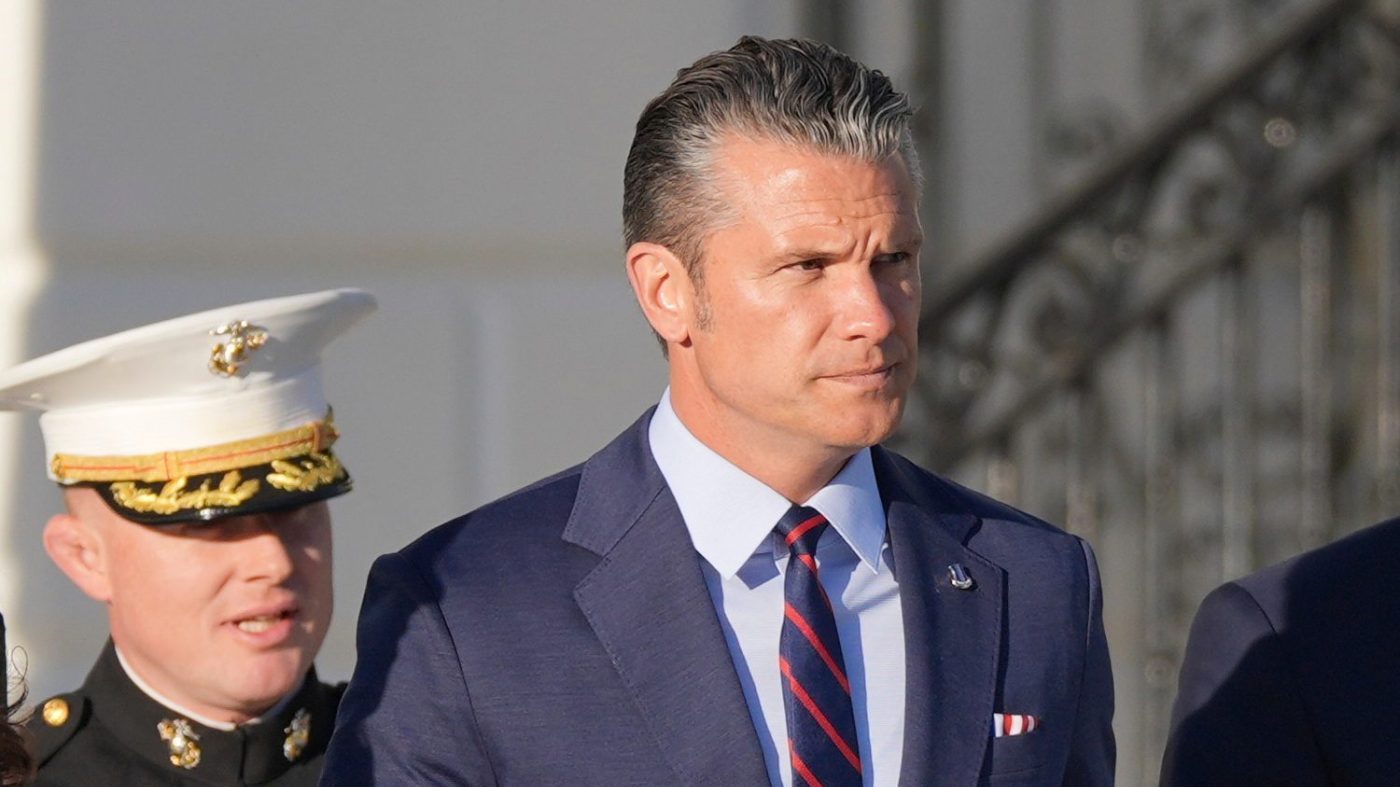
The press conference, slated for 10 a.m. EST, will feature Acting Army Secretary Adam Telle, FEMA Administrator Cameron Hamilton, and other federal officials. The briefing comes as the Trump administration faces mounting pressure from state and local leaders, as well as environmental groups, to reconsider the plan.

President Donald Trump added to the uncertainty on Monday by seeking approval from Iowa Governor-elect Rob Sand (D), who responded that the decision ultimately rests with the federal government. That exchange followed a federal court's refusal to intervene in the matter, clearing the way for the operation to proceed.
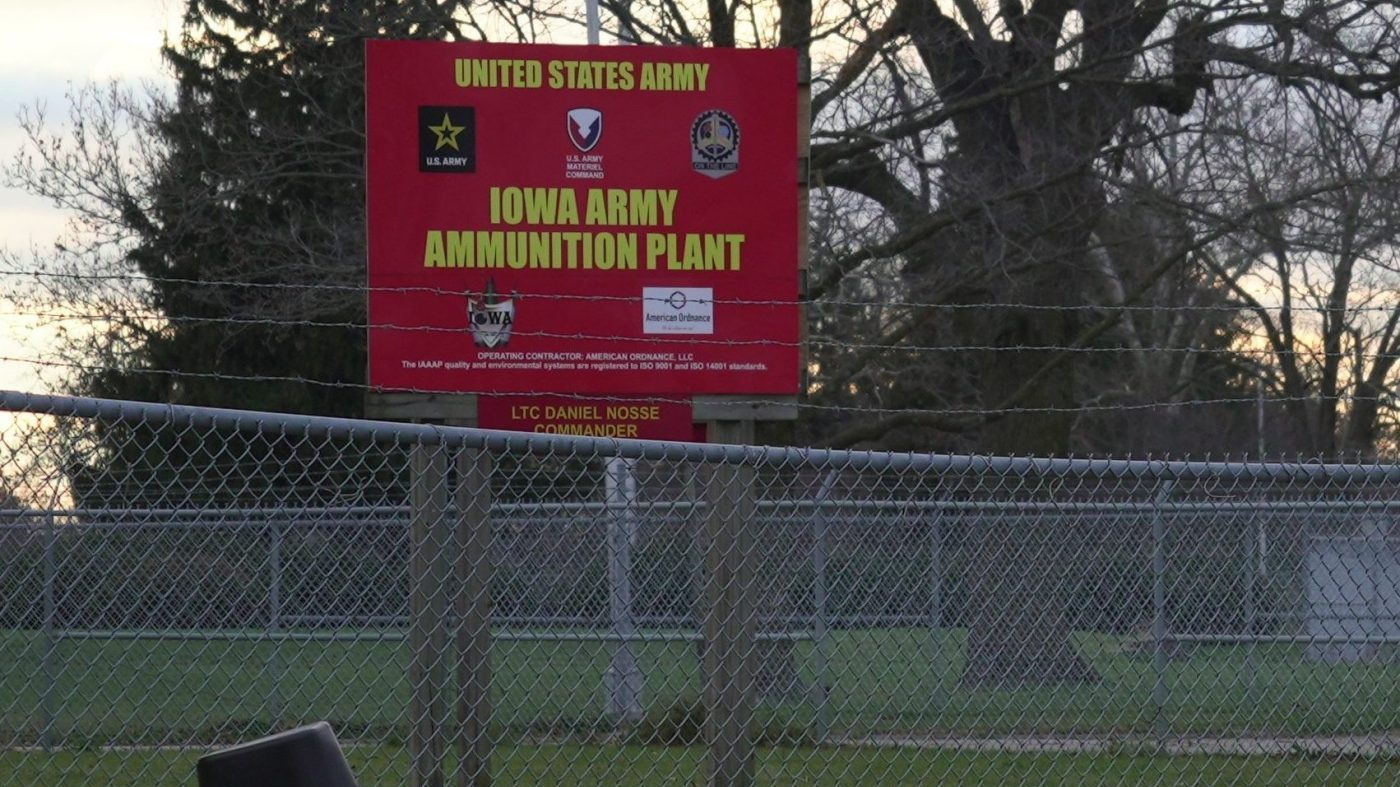
Acting Secretary Telle subsequently confirmed that the detonation would move forward as planned. The munitions, which contain lead azide, are part of an ongoing cleanup effort at the Iowa Army Ammunition Plant, but the method of disposal has become a flashpoint in the broader debate over federal environmental policy.
The earlier delay came after Iowa lawmakers protested the short notice given to the public and local officials. Concerns about lead contamination in air, soil, and water have fueled opposition, with environmental groups filing a lawsuit against the EPA in an attempt to halt the blast.
The political fallout has been immediate. President Trump and Governor-elect Sand have traded blame over who is responsible for the decision, with Sand accusing the administration of disregarding local concerns and Trump insisting the state had been consulted. The dispute underscores the tension between federal authority and state sovereignty, a recurring theme in the administration's approach to environmental and public health matters.
Federal officials argue that the detonation is necessary to safely dispose of unstable munitions and that all precautions are being taken to mitigate risks. They point to similar operations conducted elsewhere as evidence of the procedure's safety record. However, critics remain skeptical, citing the potential for long-term health effects, particularly for children and pregnant women exposed to lead.
As the press conference approaches, the administration is also facing broader scrutiny over its handling of federal agencies. A recent report on federal tech failures has highlighted the consequences of workforce reductions, and the Iowa situation is being viewed by some as another example of the administration's willingness to prioritize expediency over public input.
The live briefing is expected to provide further details on the timeline, safety measures, and the rationale for proceeding despite the objections. It remains to be seen whether the administration will offer any concessions to appease critics or if the detonation will occur as scheduled, setting the stage for a potential legal and political battle in the days ahead.