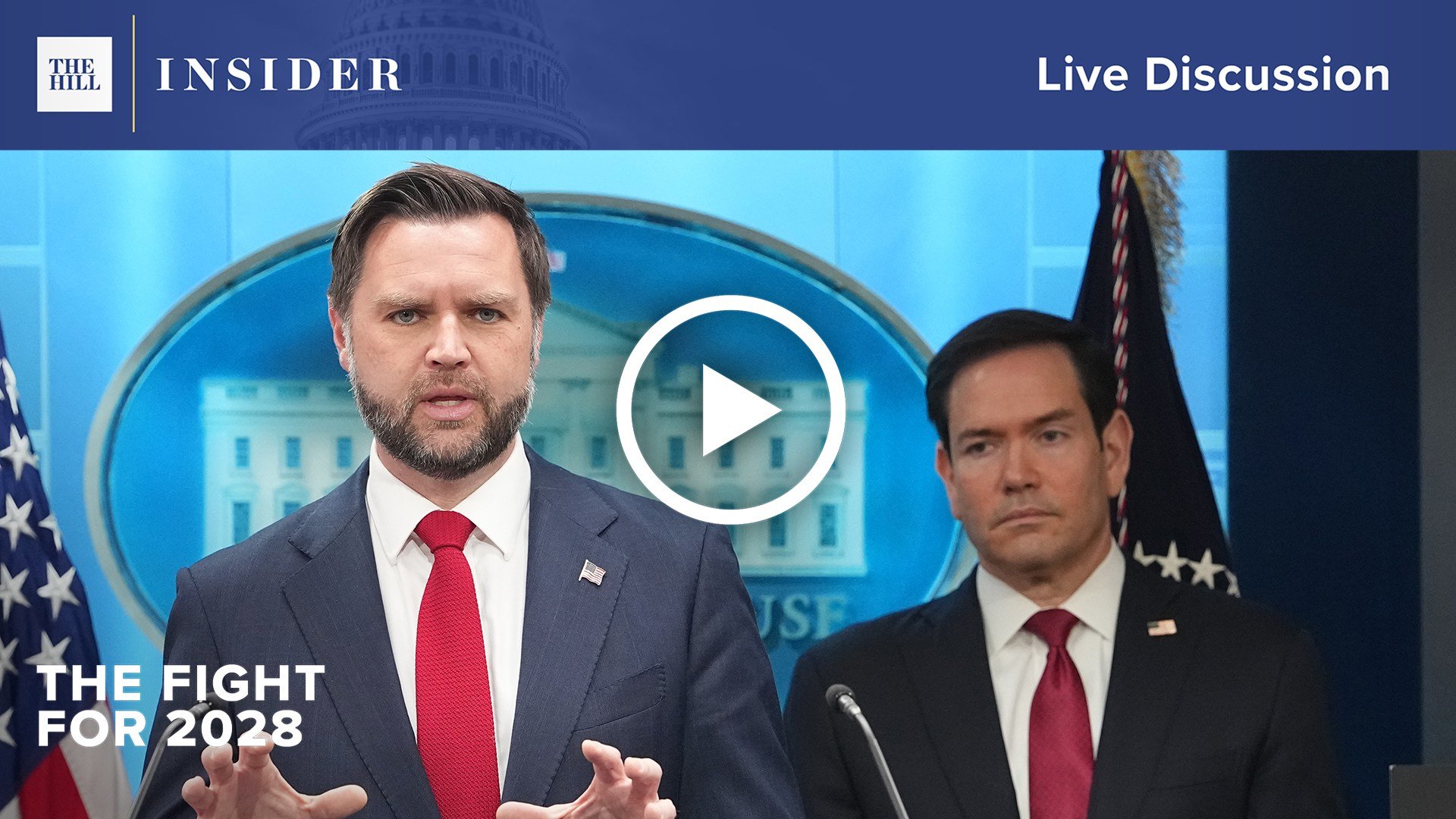
With the midterm elections now in the rearview mirror, the Republican Party is confronting a pivotal question: who will carry the banner in 2028? The field is already taking shape, with Vice President Vance and Secretary of State Marco Rubio emerging as the early front-runners, though party insiders caution that the race is far from settled.
The GOP's disappointing performance in the midterms has intensified the search for a candidate who can rebuild the party's coalition and take on the Democrats. Vance, who has been a loyal ally of former President Trump, remains a favorite among the base, but his appeal beyond that core is unproven. Rubio, with his foreign policy credentials and broader name recognition, offers a different path, though his relationship with Trump has been complicated. Vance and Rubio have recently been in the spotlight for their diplomatic efforts, which could bolster their resumes.
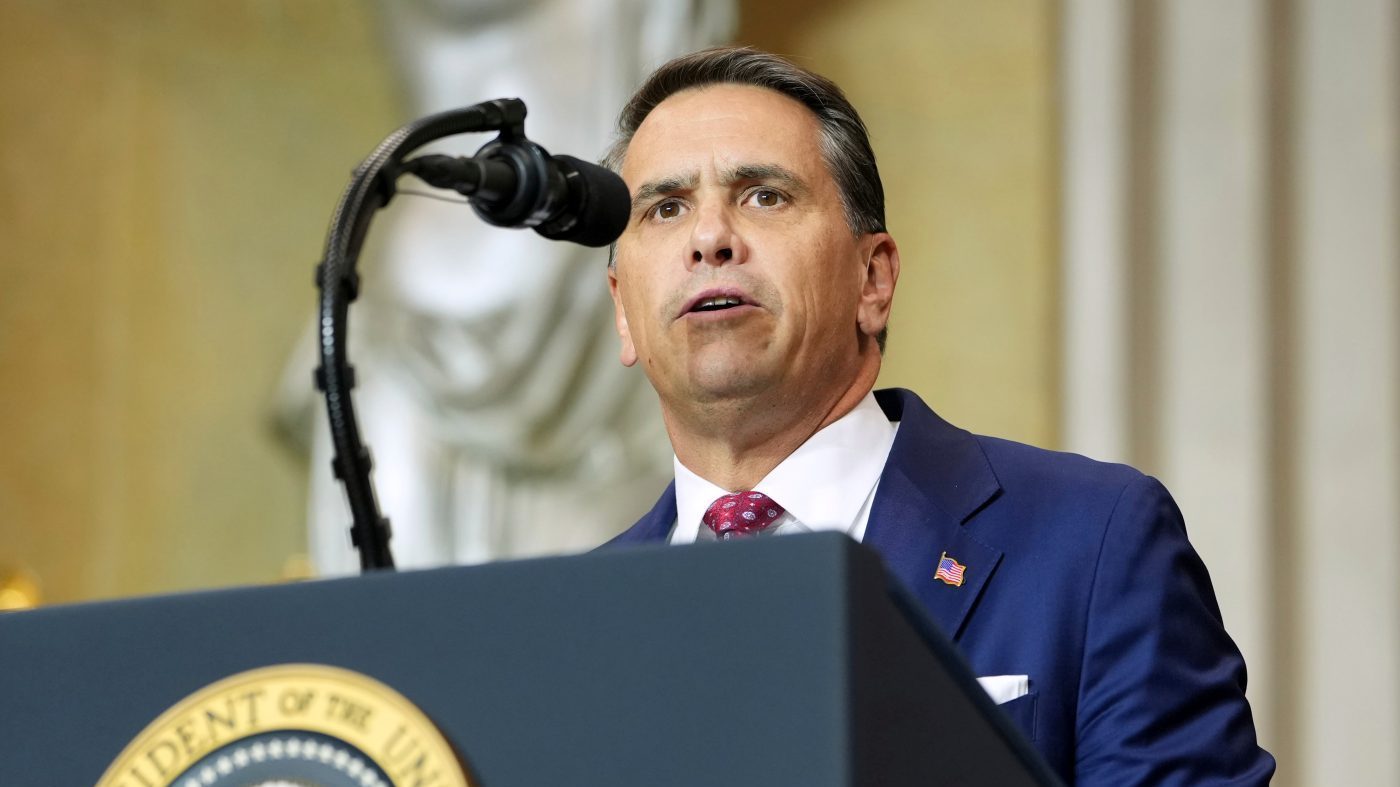
Meanwhile, former President Trump has thrown a political grenade into the California arena. During a speech at the Justice Department on Monday, Trump attacked Governor Gavin Newsom over his decision to commute the sentences of death row inmates in California. Trump's rhetoric was sharp, accusing Newsom of overstepping his authority and undermining public safety. But the attack may backfire, handing Newsom a rallying cry for his progressive base as he gears up for his own political future, potentially including a 2028 bid.
Newsom has been quick to frame the clash as a fight for justice and states' rights, a narrative that resonates with many Democrats. Newsom has accused Trump of trying to sell pardons to wealthy donors, turning the controversy into a broader critique of Trump's ethics. This is a gift for Newsom, who has been seeking to solidify his standing among the party's progressive wing while keeping an eye on a national stage.
Trump, for his part, has vowed to use federal power to reverse Newsom's commutations, setting up a legal and political battle that could stretch into the 2028 cycle. Trump has promised federal action to counter Newsom's move, a promise that plays well with his law-and-order supporters but risks overreach.
The Hill's Amie Parnes and Ian Swanson, along with special guest Julia Mueller, dissected these dynamics in a live discussion on Tuesday, examining who's up and who's down ahead of 2028. The conversation touched on the GOP's identity crisis, the Democratic bench, and the unpredictable role Trump will play in the primaries.
For Republicans, the stakes are existential. The party must decide whether to double down on Trumpism, as Vance represents, or broaden its appeal with a figure like Rubio, who can attract independents and moderate Democrats. The midterm losses have only sharpened this dilemma, and the coming months will be crucial in shaping the field.
For Democrats, Newsom's confrontation with Trump could be a strategic advantage. By taking on the former president directly, Newsom is positioning himself as a fighter for progressive values, which could help him in a primary against other hopefuls. But it also carries risks, as the national spotlight can expose vulnerabilities.
As the 2028 race begins to take shape, the interplay between these two narratives—the GOP's search for a standard-bearer and Newsom's rise as a Democratic counterweight—will define the political landscape. The coming months will bring more clarity, but for now, the speculation is just beginning.