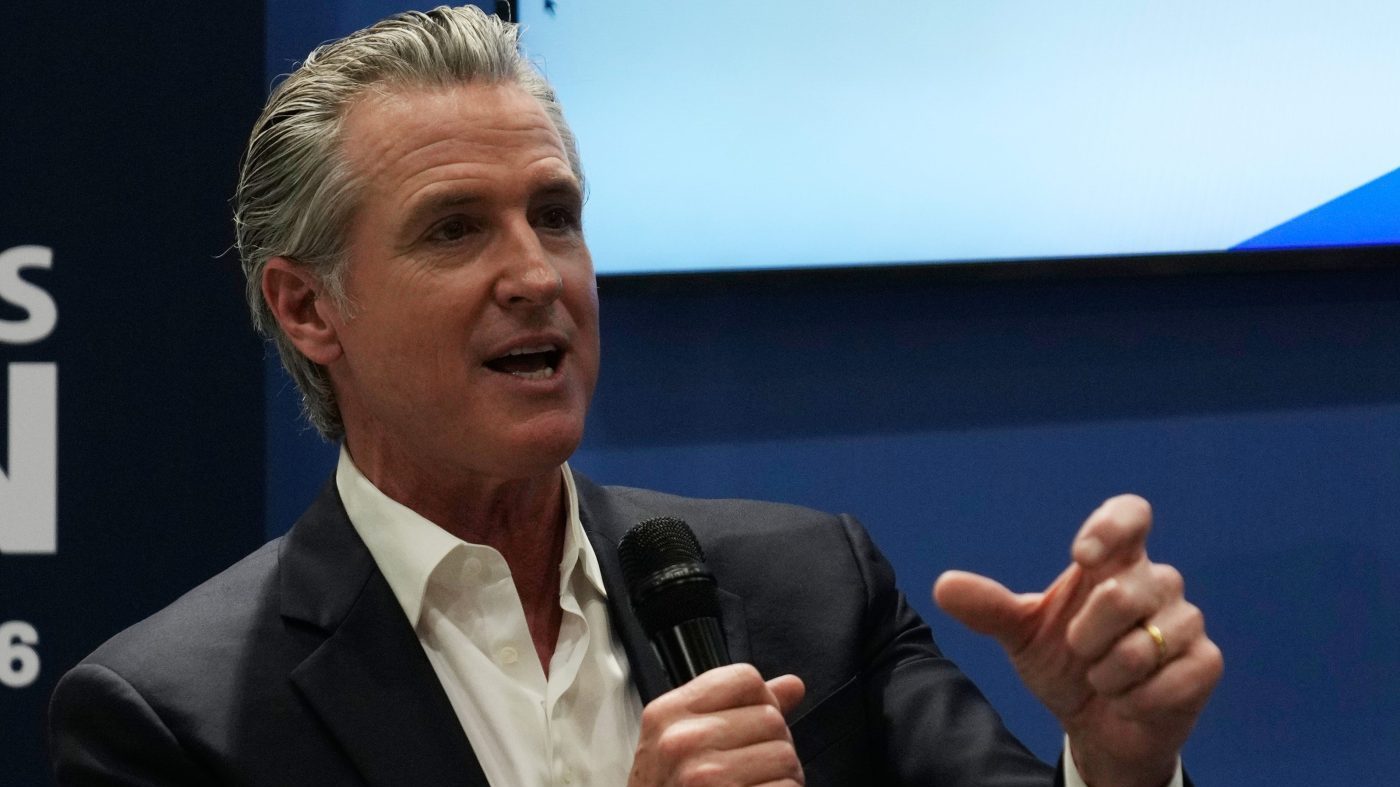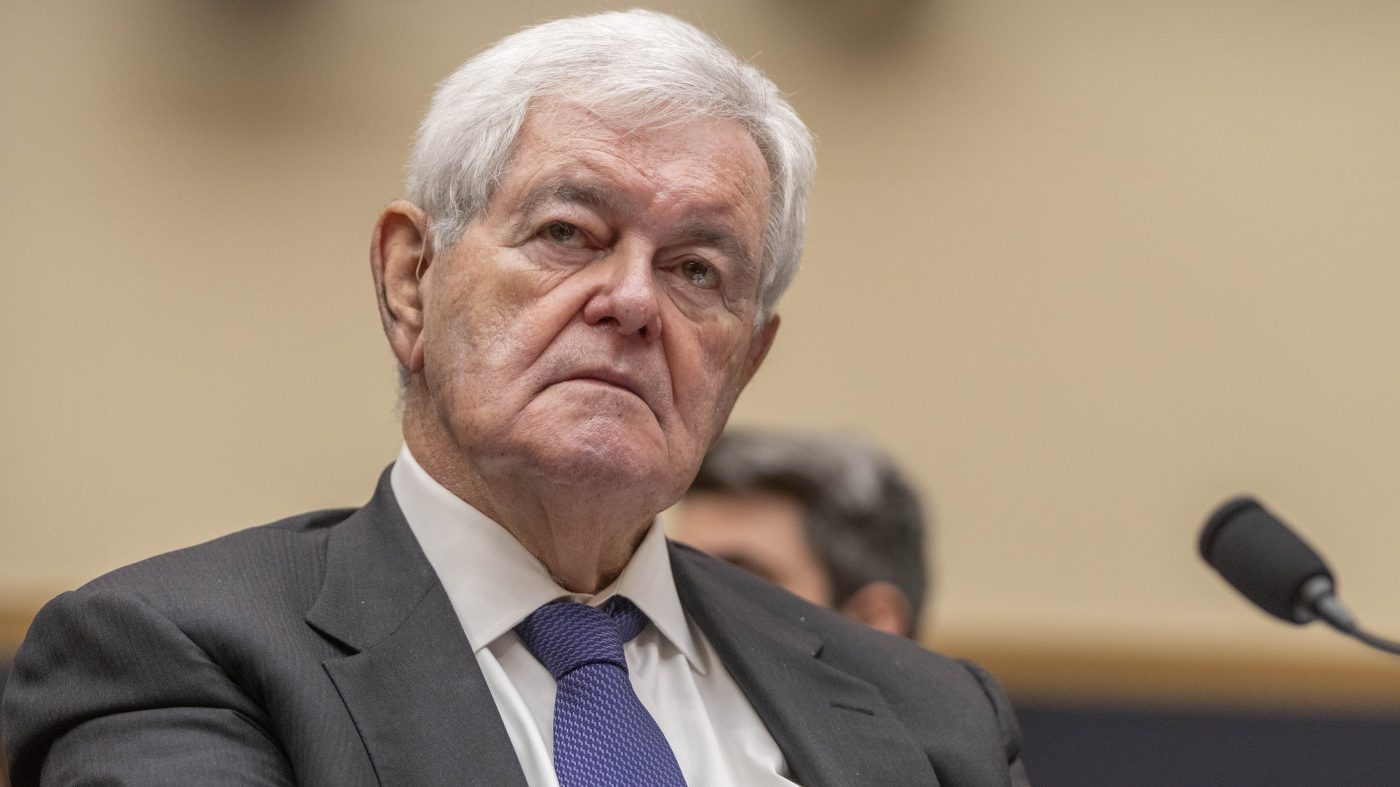
Former House Speaker Newt Gingrich (R-Ga.) sharply criticized Nvidia's decision to bring back Jensen Huang as CEO, describing the move as a “national security issue of enormous proportions” in the wake of revelations about Huang's alleged affair with a suspected Chinese intelligence operative and concerns over advanced chip exports to China.
In a post on X, Gingrich wrote: “There is something profoundly wrong about Jensen Huang having a relationship with a Chinese Communist Spy and helping China get a huge number of very advanced computer chips … and now he is being reinstated as ceo of the most advanced chip making company in the world.” He called on Congress to investigate the reinstatement, framing it as both a security threat and a failure of federal oversight.
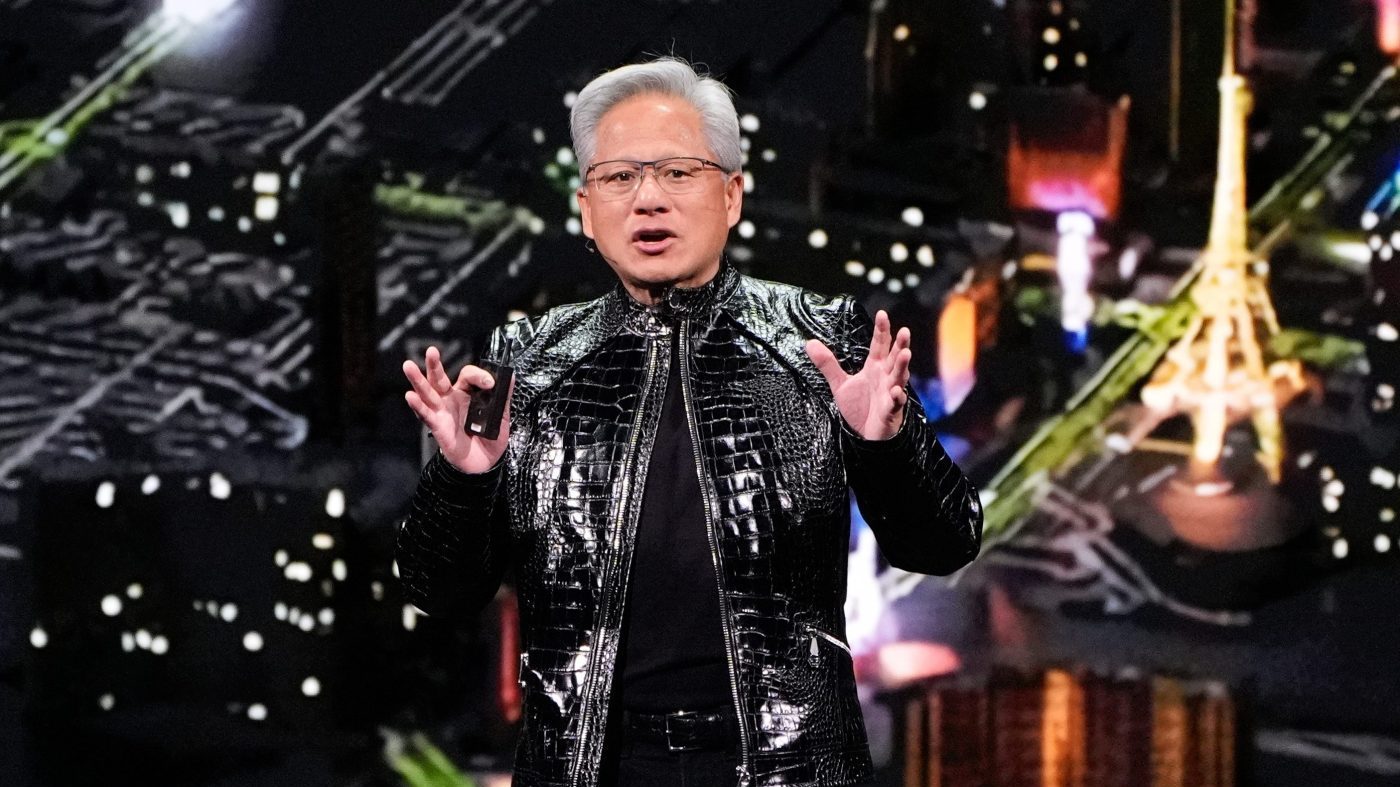
The Nvidia board announced Monday that it had reinstated Huang, reversing its earlier position that he would not return to the top job. President Trump took credit for the decision, saying he had urged the board to bring Huang back—a move that drew bipartisan criticism and raised questions about board independence. Vice President Vance was also personally involved in the push, according to a source familiar with the matter.
Gingrich, once a fiery conservative leader in the House, has largely stayed loyal to Trump but has recently voiced concerns about the administration's messaging and handling of key issues, including the Iran conflict. His latest comments signal growing unease among some Republicans over the White House's role in corporate decisions with national security implications.
Several lawmakers have already demanded answers. Sen. Pete Ricketts (R-Neb.), a member of the Senate Banking Committee, said Huang's “behavior” did not justify reinstatement. The committee has scheduled Huang to testify on Dec. 3, a session that will likely probe Nvidia's compliance with export controls and reports of chips being smuggled into China.
On the House side, retiring Rep. Michael McCaul (R-Texas) requested a briefing from the Trump administration on the reinstatement. “If administration officials now believe that Mr. Huang's extramarital relationship with an alleged Chinese intelligence asset—along with Nvidia's deeply concerning sales of advanced chips to Megaspeed—no longer poses a national security threat, then they need to brief Congress immediately and release as much information as possible to the public,” McCaul wrote online.
The controversy has also drawn sharp criticism from Democrats, with Senate Minority Leader Chuck Schumer vowing a full probe into the reinstatement. The political fallout comes as Nvidia's stock surged 27% following the board's decision, reflecting investor optimism but also raising concerns about the intersection of politics and corporate governance.
Gingrich's call for action echoes a broader bipartisan push for transparency. As Huang prepares to face lawmakers, the episode has become a flashpoint in the debate over U.S. technology leadership, national security, and the influence of the White House on corporate boards.