National analysts are dissecting this month's elections, and the results were brutal for Republicans. Once-reliable red states like South Carolina and Kansas shifted toward Democrats, Texas turned blue, and even Mississippi followed suit. Georgia, Iowa, and Arizona also moved in the Democrats' direction, with nine Senate seats and dozens of House seats flipping.
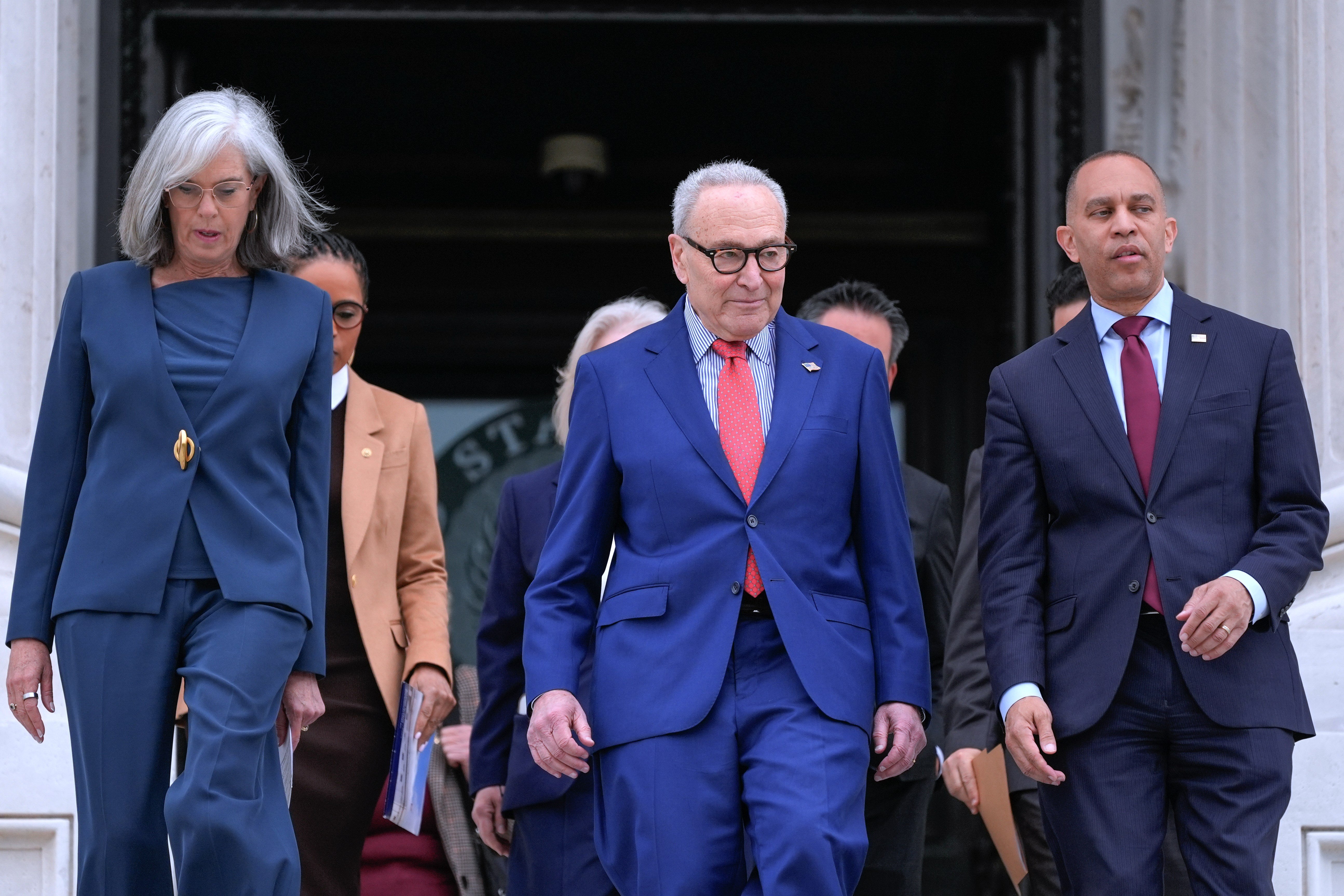
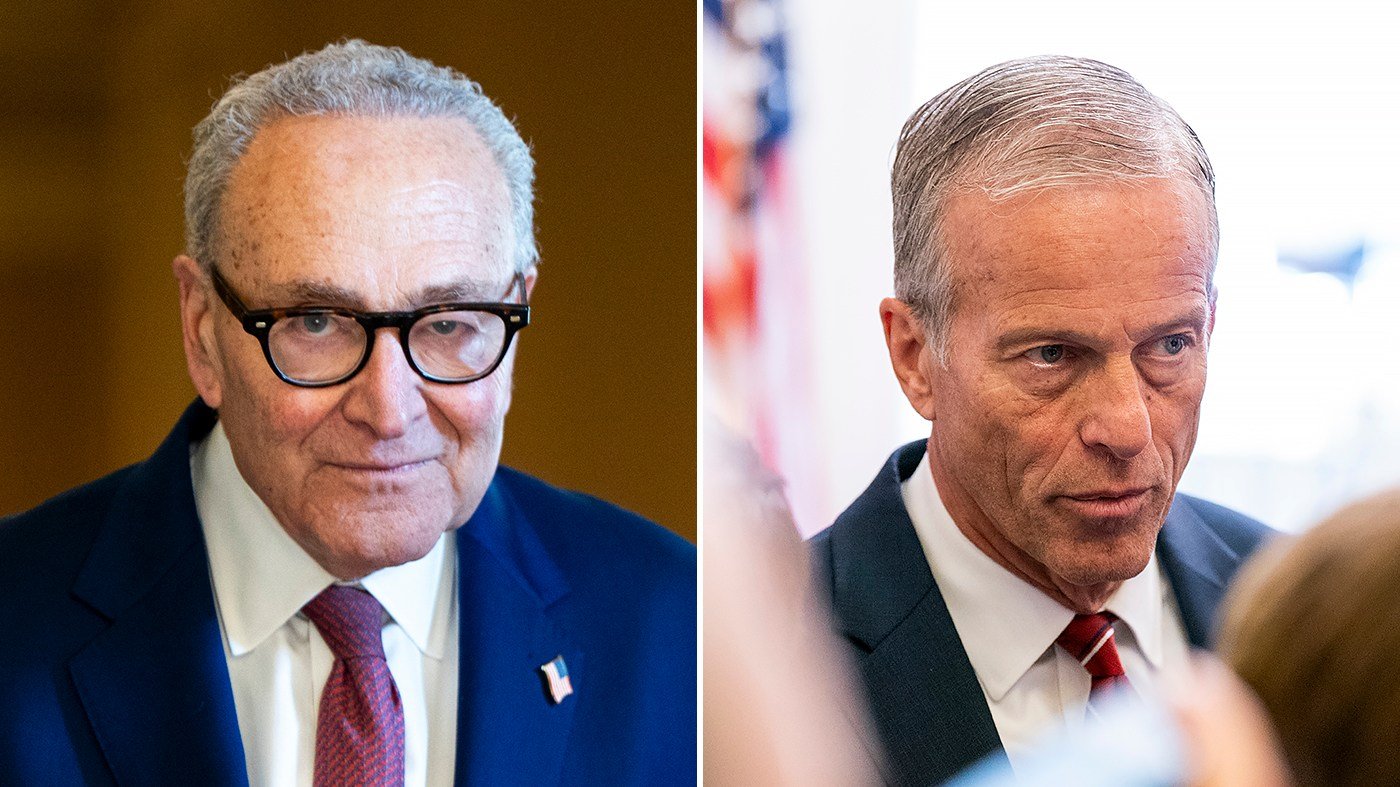
Democratic Socialists of America candidates won seats in both chambers, and while the media often downplays their numbers, their growing presence will force incoming Speaker Hakeem Jeffries (D-N.Y.) and Senate Leader Chuck Schumer (D-N.Y.) to reckon with the party's progressive wing.
Yet amid the Democratic surge, Florida stood as a beacon of conservative resilience. Republicans swept every statewide contest and retained commanding majorities in the state legislature. The margins were narrower than in previous cycles, but as the saying goes, close only counts in horseshoes and hand grenades—and staying above water in a flood is what matters.
How did a rapidly diversifying state like Florida emerge with its conservative infrastructure intact? The answer lies in policy, not just politics. While many states struggled with mediocre governance, Florida benefited from strong leadership under Governor Ron DeSantis over the past eight years, with a legislature that largely cooperated on bold conservative initiatives. Early voting trends showed a different story in Florida, where Republicans closed gaps that plagued them elsewhere.
Governor-elect Byron Donalds ran a disciplined, voter-focused campaign, and Floridians responded by endorsing the state's direction. They backed the zero income tax, universal school choice, tort reform, and efforts to address housing and insurance affordability. The message was clear: “More of this, please.”
Florida's approach contrasts sharply with the watered-down conservatism seen in Washington and other red states. For instance, while student performance declined nationally, Florida enacted universal school choice and now leads the nation in education freedom. When property insurance premiums skyrocketed and the market teetered, Florida implemented reforms that are already attracting insurers back and prompting rate reductions.
On property taxes, DeSantis pushed for meaningful change, and voters approved Amendment 3 with 62% support, setting the stage for lasting relief. Donalds has promised further reforms. These are not mere talking points; they are examples of conservative principles translated into tangible benefits.
For three decades, Florida has reaped the rewards of this conservative legacy, and new residents are voting with their feet, moving from other states. The incoming administration plans to build on that foundation with even bolder proposals.
The lesson from this election is that voters reward bold conservative leadership. But when politicians deliver weak policies or crony capitalism—or do nothing—voters will look elsewhere. On Nov. 3, that is exactly what happened across much of the country.
Dr. Robert McClure is the President and CEO of the James Madison Institute in Tallahassee, Fla.