The 2026 midterms delivered a resounding victory for Democrats, but beneath the surface of the blue wave, a different kind of ticket-splitting emerged. While Democratic candidates swept statewide races in many parts of the country, voters in several states that leaned Democratic also approved ballot measures that align more closely with conservative priorities—on issues ranging from school sports to voter identification.
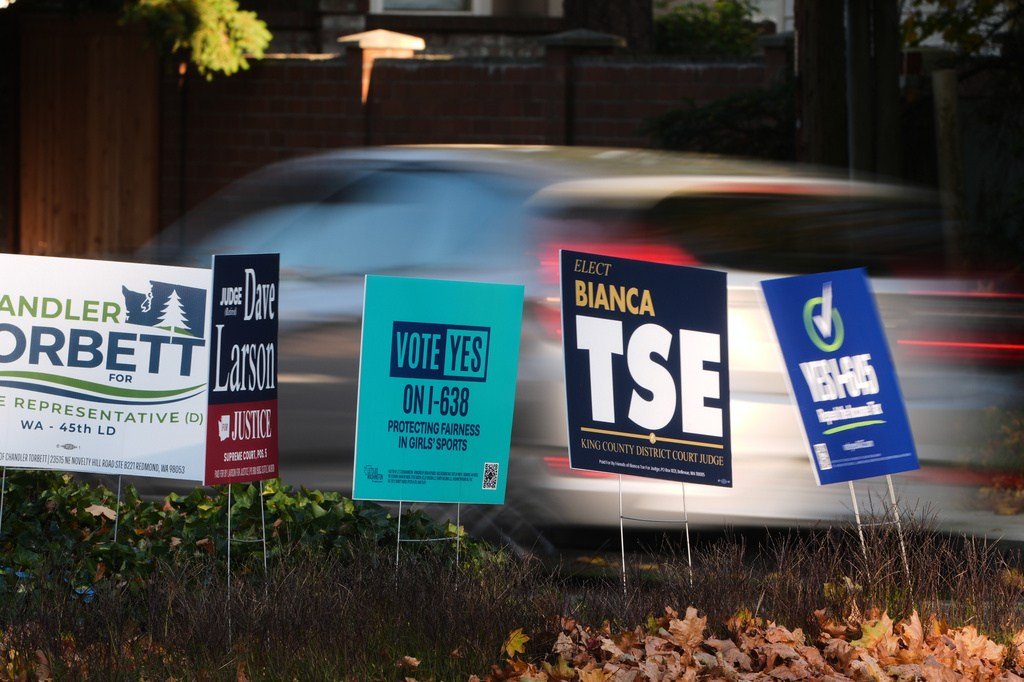
In Washington state, where Democrats have dominated for decades, nearly 57% of voters backed an initiative to bar males from participating in girls' K-12 sports. Colorado voters approved two measures: one requiring sex-based eligibility for school and college athletics, and another prohibiting certain gender-related surgeries for minors. Arizona voters passed restrictions on school sports, bathrooms, and locker rooms. North Carolina voters approved measures limiting taxation authority and expanding voter ID requirements, while Florida voters backed a property tax reduction, and Nevada and Ohio voters endorsed voter ID laws.

This pattern suggests that many voters are willing to support Democratic candidates while also endorsing policy positions typically associated with Republicans. The results challenge the conventional narrative of a strictly partisan electorate and highlight a nuanced reality: voters can be frustrated with the economy, angry at corruption, or disillusioned with candidates, yet still favor what they see as fair and sensible policies regarding children and schools.
Political analysts note that voting against a Republican does not mean rejecting every conservative stance, just as voting for a Democrat does not mean embracing every progressive idea. The quality of candidates also played a role—some Republicans ran flawed or lackluster campaigns, while others seemed to rely on dissatisfaction with the other party rather than offering a positive vision. In contrast, ballot questions offered voters a rare opportunity to weigh in on a single issue without having to accept the full package of a politician's platform.
These ballot question battles are far from over. In Washington and Colorado, opponents are already discussing legal challenges to the measures voters approved. The tension between voter-approved policies and the positions of elected officials is likely to intensify, as seen in the post-election push by some Democrats to override voter decisions. Similar referenda could be heading to other states, including Maine, where a group has submitted signatures for a women's sports referendum.
The midterm results, which include a blue wave that reshaped the electoral map, also saw voter ID measures sweep even as Democrats won big. This split between candidate choices and policy choices underscores a critical lesson for both parties: winning an election and winning an argument are not the same thing. As the dust settles, political strategists on both sides will be studying these results to understand what voters truly want—and how to bridge the gap between electoral success and policy alignment.