The federal government has been hit by a series of high-profile technical failures this month, raising alarms about the nation's digital infrastructure. A router glitch at the Federal Aviation Administration triggered the most extensive ground stop since the September 11 attacks, and days later, a classified network at the National Security Agency went dark. These incidents, alongside outages at major private firms like Microsoft, JPMorgan Chase, and Apple, have prompted even The Associated Press to wonder if everything is breaking at once.
While aging systems are a familiar culprit, the current crisis is compounded by a deliberate depletion of the very people who could fix them. The Trump administration's aggressive downsizing of the federal workforce has resulted in an unprecedented loss of technical expertise, leaving agencies ill-equipped to handle both routine maintenance and emerging threats.

A workforce in freefall
Since President Trump reassumed office in January 2025, the federal workforce has shrunk by more than 250,000 employees—over 10% of the total. According to the Office of Personnel Management, the FAA alone lost nearly 1,700 staff in that year, about 3.6% of its workforce. While some safety-critical roles were spared, the cuts hit technology, data, and telecommunications positions hard: nearly 20,000 of the 325,000 departures were in these fields, including 10,000 with doctorates in STEM areas. Entire tech programs have been shuttered or frozen.
Key initiatives dismantled
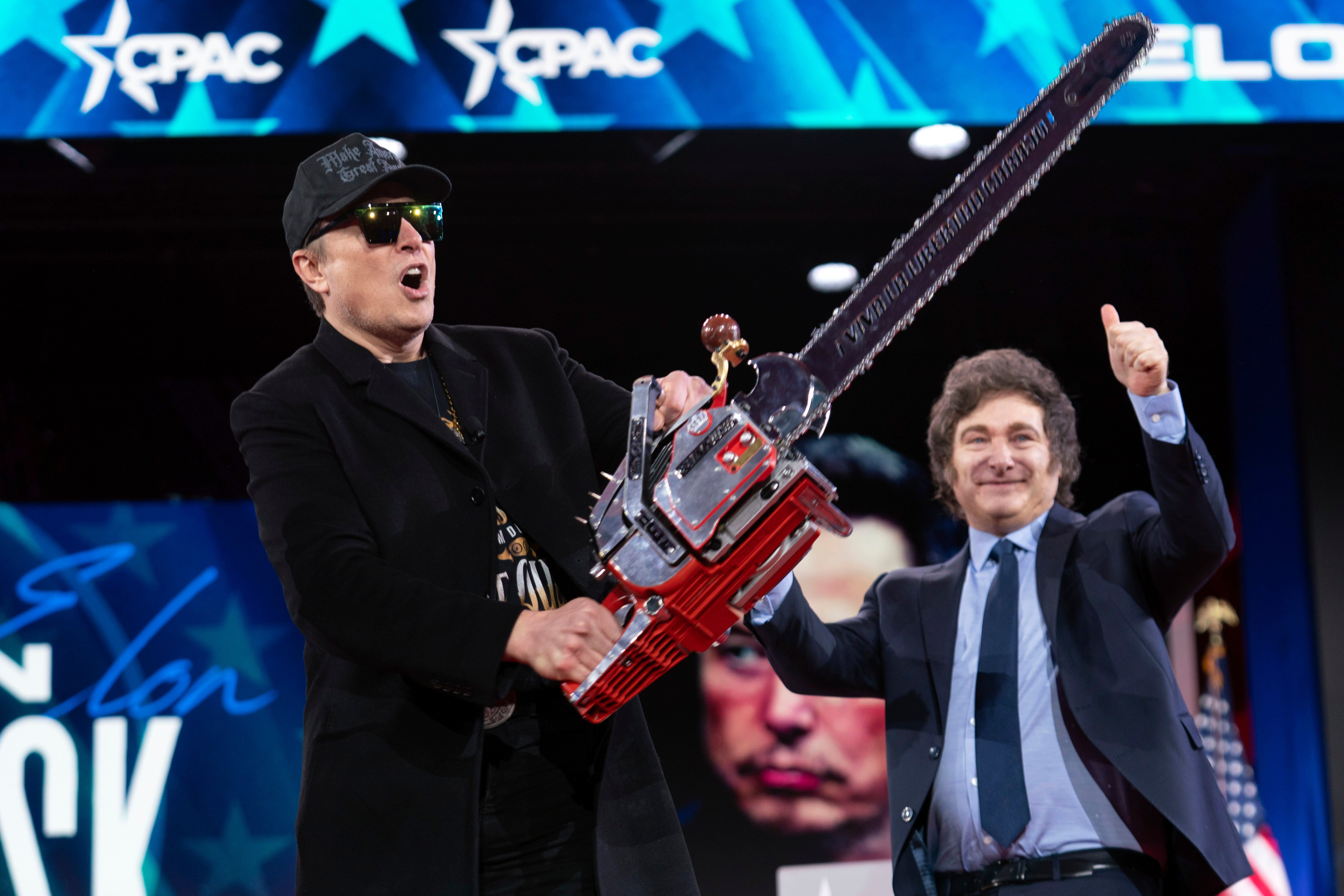
Two flagship programs designed to inject fresh tech talent into government—the United States Digital Corps and the Presidential Innovation Fellowship—saw their 2024 cohorts almost entirely terminated in early 2025. These new hires, having served less than a year, were caught in probationary firings tied to the Department of Government Efficiency's cost-cutting push. Similarly, the small agency 18F, whose mission was to modernize federal tech systems, was eliminated by Elon Musk and DOGE, along with its 90 employees. DOGE also absorbed the United States Digital Service, the former in-house tech hub, before itself sunsetting in July 2026.
The consequences were swift. By December 2025, a new Tech Force initiative aimed to hire 1,000 early-career tech workers, and in March 2026, the White House launched a broader program to attract talent back into federal service. But federal hiring is notoriously slow, especially for tech positions, and the damage may already be done.
Security at risk
Meanwhile, cyber threats and infrastructure breakdowns show no signs of abating. The root causes of individual outages may vary, but the overarching problem is clear: by pushing out tech experts, the government has made its systems more vulnerable and harder to maintain. Experts warn that without a robust in-house technical workforce, the nation is ill-prepared for both aging infrastructure and the challenges of new technologies like generative AI, which require careful oversight.
Initiatives like Tech Force and the Early Career Talent Network are positive steps, but they face a steep uphill battle. Prospective federal technologists must weigh the risk of at-will termination and public derision against lucrative private-sector offers. To truly secure the nation's digital future, future legislation and executive actions must not only rehire but also value and protect public-interest technologists. As one researcher put it, the dual challenge of corroding copper wire and moonshot AI tools makes this a national security imperative.