As Congress moves to expedite permitting for energy projects, a former Department of Energy official is urging lawmakers to rethink the approach, arguing that the current proposal fails to address the nation's intertwined energy, affordability, and environmental challenges.
William S. Becker, who served as a regional director at the DOE, contends that the pending legislation is technology-neutral when it should instead champion renewable sources like solar, wind, and geothermal. "We have relied for 125 years on fuels that are dirty, unhealthy, unstable and expensive," he wrote in a recent analysis. Becker insists that the U.S. must shift from an "all of the above" energy strategy to a "best of the above" approach, prioritizing cleaner, cheaper, domestic resources.
The push for permitting reform comes as lawmakers debate how to streamline project approvals while maintaining environmental safeguards. Critics worry that fast-tracking could bypass essential reviews and public input. However, Becker argues that smart reforms can both accelerate clean energy deployment and improve regulatory outcomes.
He points to the staggering costs of fossil fuels: the International Monetary Fund estimates direct and indirect costs exceed $1 trillion annually, or nearly $3,000 per American. Health damages alone account for $820 billion of that figure, with over 150 million Americans living in areas with unhealthy air quality. Climate-related disasters add to the burden, with MIT calculating that climate change costs the average household more than $1,000 per year in some regions.
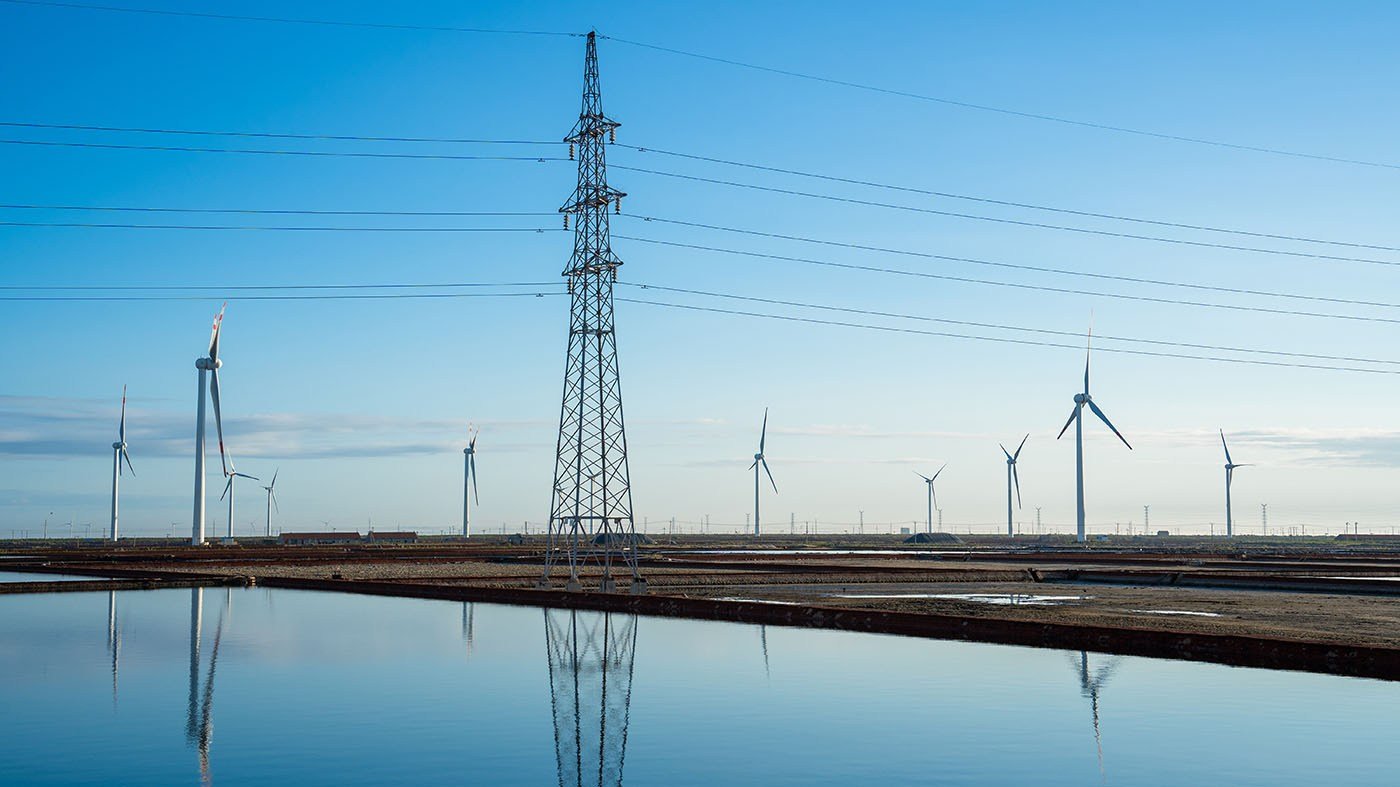
Becker highlights the vast untapped potential of renewables, noting that the U.S. has 100 times more renewable energy potential than its annual electricity demand. Yet much of it remains "stranded" due to transmission bottlenecks and grid connection backlogs. According to Lawrence Berkeley National Laboratory, proposed solar and wind projects awaiting grid connections could power every American home and then some, with an additional 749 gigawatts of battery storage also in the queue.
To unlock this potential, Becker suggests several key reforms. First, prioritize "best of the above" projects in the permitting queue. Second, repower older solar installations by replacing panels with more efficient ones and adding batteries, a strategy that can quickly increase output through existing grid connections. Third, leverage artificial intelligence to streamline environmental reviews and enhance public participation. The Trump administration has already invested $14 million in AI tools for permitting, and the Council on Environmental Quality has launched a Permitting Innovation Center.
Finally, Becker urges Congress to restore clean energy incentives that were stripped from the Inflation Reduction Act. He cites estimates that utility-funded efficiency programs could cut electricity consumption by 12 percent by 2035, providing "new energy" at lower cost than building new plants.
The debate over permitting reform is part of a broader legislative push, with recent votes in both chambers. As lawmakers weigh the future of energy policy, Becker's message is clear: "It's the worst possible time to relax the processes that lead to better choices."