Small powers have rarely succeeded in war without backing from larger allies, but the real peril often comes at the negotiating table—where they can be cut out entirely. Ukrainian President Volodymyr Zelensky, who has so far kept his country in the fight against Russia, must now ensure he isn't sidelined in the peace talks that will determine his nation's future. The recent experience of Israeli Prime Minister Benjamin Netanyahu offers a stark warning.
In September 1938, Czechoslovakia boasted one of the most capable militaries in Central Europe and could have mounted a prolonged defense against Nazi Germany. But British and French leaders excluded Prague from their negotiations with Adolf Hitler. The resulting Munich Agreement forced Czech President Eduard Benes to capitulate without a fight. Within a year, Hitler had swallowed the whole country.
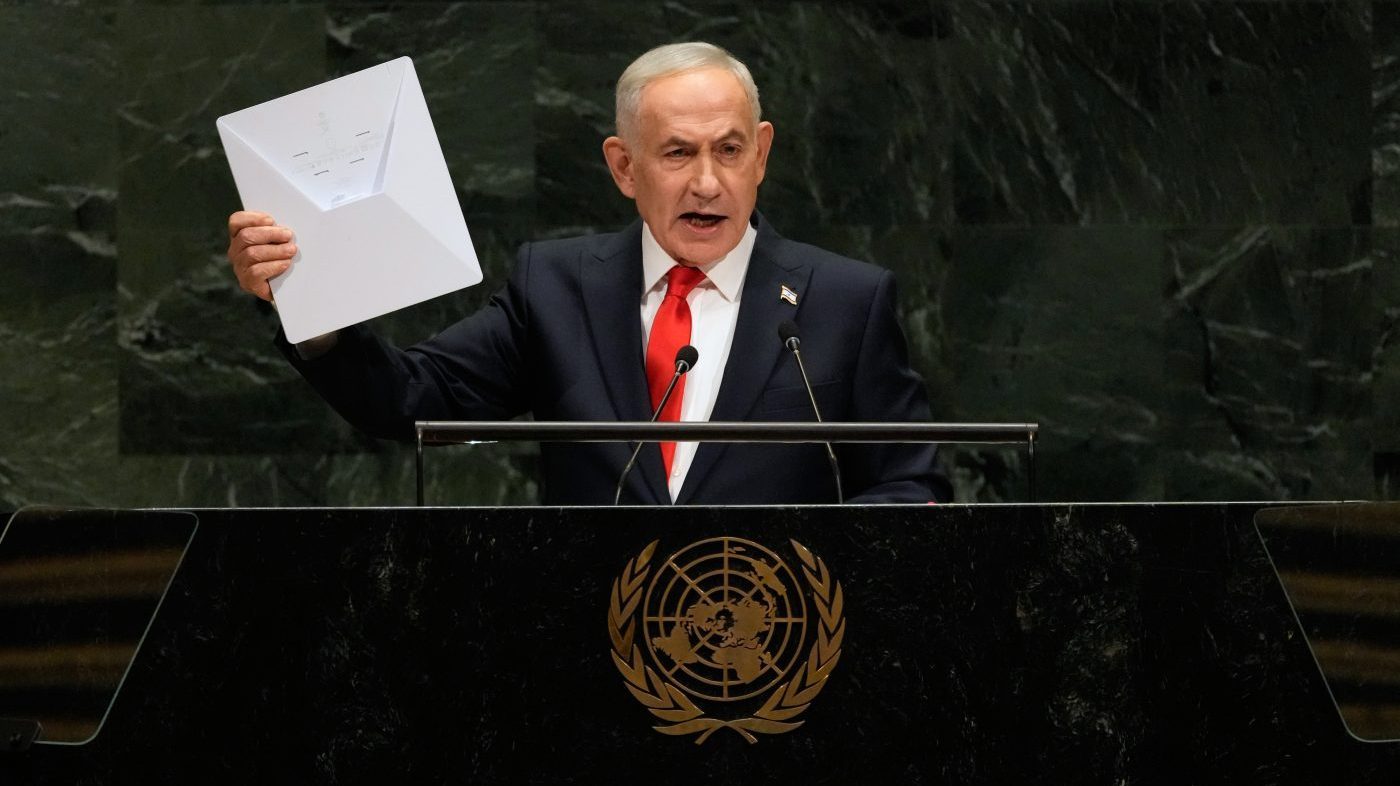
Fast forward to today: Five months ago, Israel and the United States jointly struck Iran. At the time, Israel was already locked in combat with Hezbollah, Iran's most powerful proxy. Yet Washington and Tehran have now concluded a Memorandum of Understanding that, among its provisions, calls for a ceasefire in Lebanon. This effectively restrains Jerusalem from retaliating against ongoing Hezbollah missile attacks—a key Israeli security concern.
The memo also requires the U.S. to lift its blockade of the Strait of Hormuz, allowing Iran to resume oil sales and access frozen assets. That revenue can flow directly to Hezbollah and other Iranian proxies, strengthening the very forces Israel is fighting. Critically, Israel was not part of these negotiations. Without American support—indeed, under American pressure—Netanyahu has little choice but to comply, or risk losing both U.S. military aid and diplomatic cover at the United Nations Security Council.
As Trump's Iran ceasefire deal boosts his midterm prospects but leaves Netanyahu in political peril, the lesson for Zelensky is clear: staying out of the room when great powers cut deals can be catastrophic. The Ukrainian leader has successfully avoided losing the war, but he cannot afford to lose the peace. He must actively shape the negotiations that will define Ukraine's borders, security guarantees, and relationship with the West.
Zelensky has already shown an ability to redefine the battlefield and the narrative against Putin. He now needs to apply that same agility at the diplomatic table. If he waits for the U.S. and Russia to carve up terms without him, he risks becoming another Benes—or another Netanyahu, forced to accept a deal that undermines his country's security.
The parallel is not exact: Ukraine is not Israel, and Russia is not Iran. But the structural dynamics are the same. Great powers will prioritize their own strategic interests, and smaller allies can be traded away. Zelensky's best defense is to ensure Kyiv remains indispensable—not just on the battlefield, but in every negotiation that shapes the postwar order.