The federal government's aging technology infrastructure has long been a drag on service delivery and a security liability. But a new Government Accountability Office (GAO) report suggests that a key initiative to modernize these systems is beginning to show tangible returns. The report, released ahead of the Technology Modernization Fund's (TMF) expiration in September, is fueling bipartisan calls for Congress to act.
As of June 2025, the TMF has invested approximately $1.03 billion across 68 projects. According to the GAO, 11 of those projects have already generated $13.5 million in savings, while 24 are projected to deliver a combined $1.06 billion in lifecycle savings—a figure that exceeds the fund's total investments to date. These returns, however, are not immediate; most are expected to materialize in fiscal 2027 or later, reflecting the long-term nature of the work.

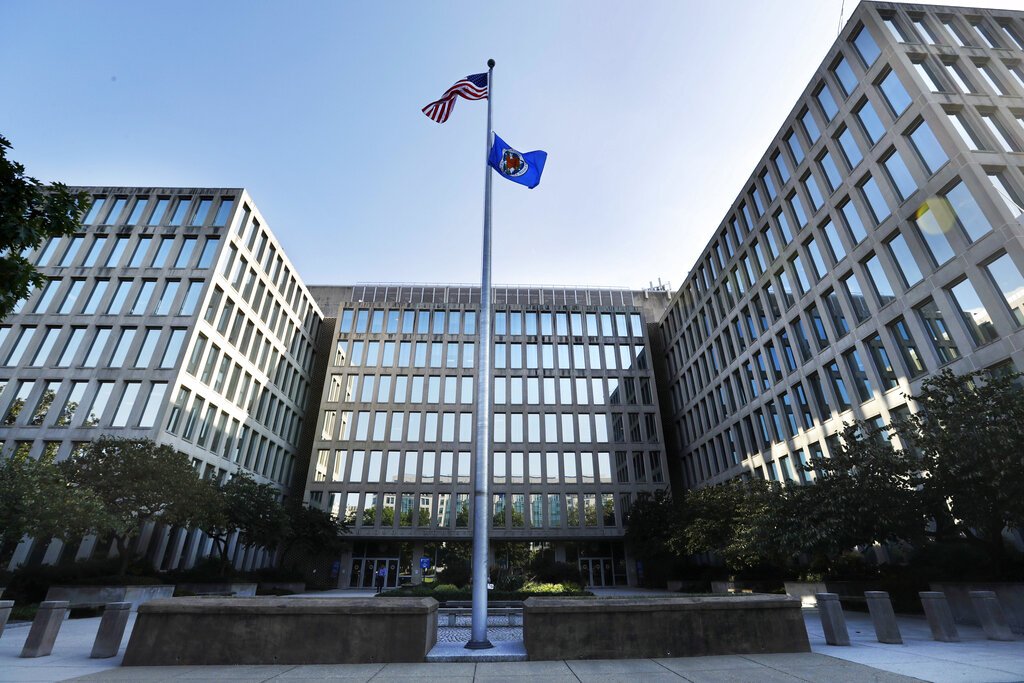
The largest projected savings are concentrated in three major efforts: modernizing the Department of Agriculture's network, upgrading veteran identity systems at the Department of Veterans Affairs, and overhauling federal retirement systems at the Office of Personnel Management. These projects address some of the most critical and outdated systems in government, which have been plagued by inefficiency and security vulnerabilities.
But direct savings are only part of the picture. The GAO found that 37 TMF projects are designed to strengthen cybersecurity, improve operational efficiency, or enhance service delivery without necessarily producing direct financial returns. In comments accompanying the report, General Services Administration Administrator Ed Forst emphasized that the direct-savings metric fails to capture the full value of avoided costs from more secure and reliable systems. This is a critical point for lawmakers weighing the fund's future.
Congress now faces three key tasks: reauthorize the TMF, ensure it remains adequately funded while its largest projects mature, and hold agencies accountable for delivering results. The fund operates as a revolving fund, but with many agencies years away from realizing the anticipated savings—and not every worthwhile project yielding a direct return—sustained congressional support is essential.
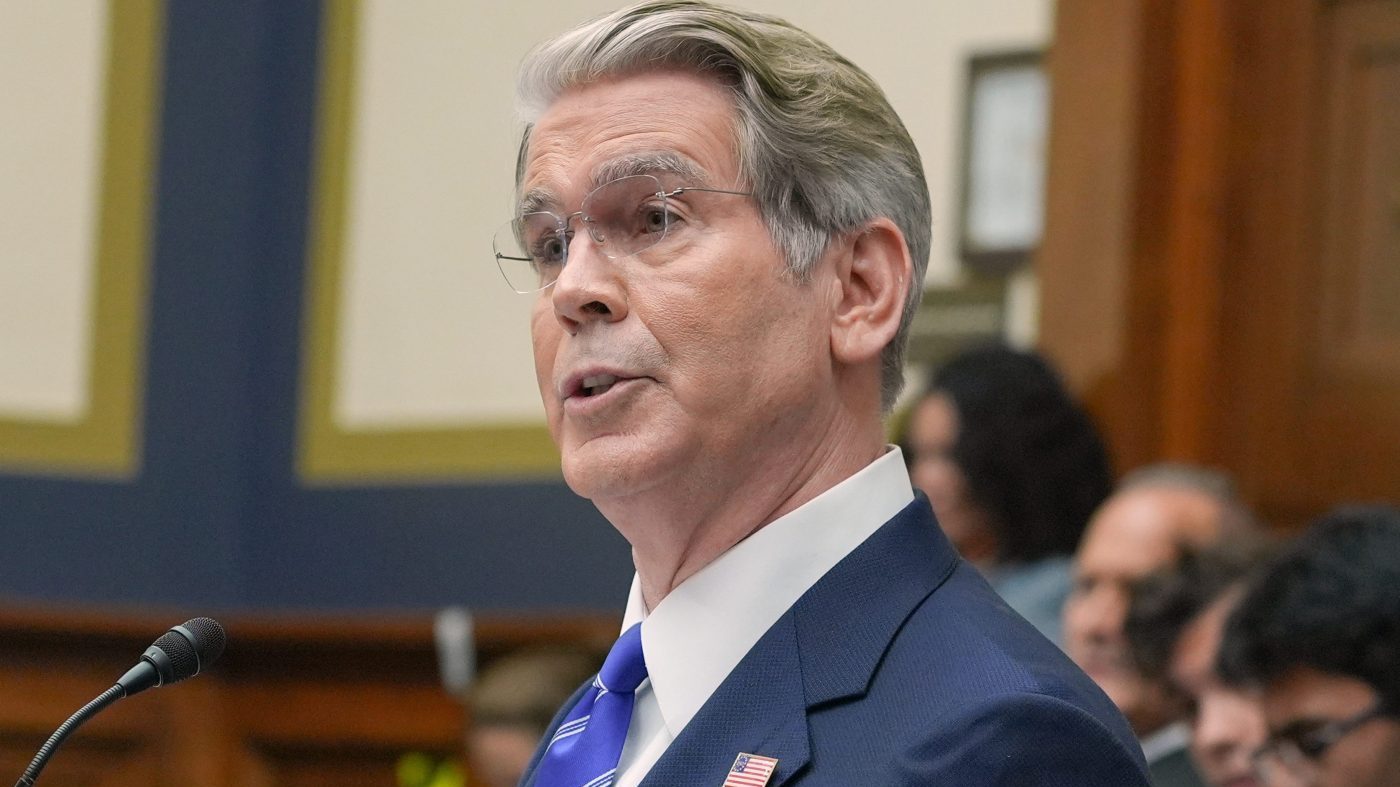
In a recent House Oversight Committee markup of reauthorization legislation, Representative James R. Walkinshaw (D-VA), a committee member, offered amendments to make the fund more workable for agencies tackling complex, high-impact projects. One amendment, which was adopted, extends the standard repayment period from five to seven years, giving agencies more time to generate savings and repay the fund. Another, also adopted, requires the GAO to assess whether TMF investments are reaching the government's highest-priority legacy systems.
“The TMF is designed to break the cycle of propping up obsolete systems,” Walkinshaw said. “But without reauthorization, we risk pulling the plug on the very tool that can replace them.” He noted that the House Oversight Committee has already advanced bipartisan legislation, and now the full House and Senate must act before the September deadline.
The consequences of inaction are clear: agencies would lose a vital tool for replacing systems that waste taxpayer dollars, expose Americans' data, and hinder the delivery of essential services. As the GAO report demonstrates, the fund is beginning to pay off, but its full potential will only be realized if Congress commits to its long-term success.
With the clock ticking, the political and policy stakes are high. Lawmakers must decide whether to let the fund lapse or to finish the job of modernizing federal technology—a decision that will shape government efficiency and security for years to come.