The Trump administration announced Monday that it has revoked more than 175,000 visas from foreign nationals, citing alleged violations of visa terms, including criminal activity and calls for violence against U.S. citizens. The State Department said the majority of cancellations stemmed from “law enforcement encounters,” a broad category that has drawn scrutiny from immigration attorneys who worry the administration is punishing individuals for minor incidents or unproven allegations.
The figure marks a sharp acceleration in visa revocations. In 2025, the administration revoked roughly 8,000 visas per month, but that pace has jumped to over 10,000 per month in 2026. Earlier this year, the administration reported it had revoked more than 100,000 visas over the previous year, making the new total a significant escalation.
Administration officials framed the move as part of ongoing vetting efforts. “A U.S. visa is a privilege, not a right. The Department remains committed to using every tool available to protect our communities from those who abuse it,” the State Department said in a statement. The department emphasized that the majority of revocations involved crimes such as assault, driving under the influence, theft, and drug offenses, with additional cases involving reckless driving, sexual assault, child abuse, fraud, and embezzlement.
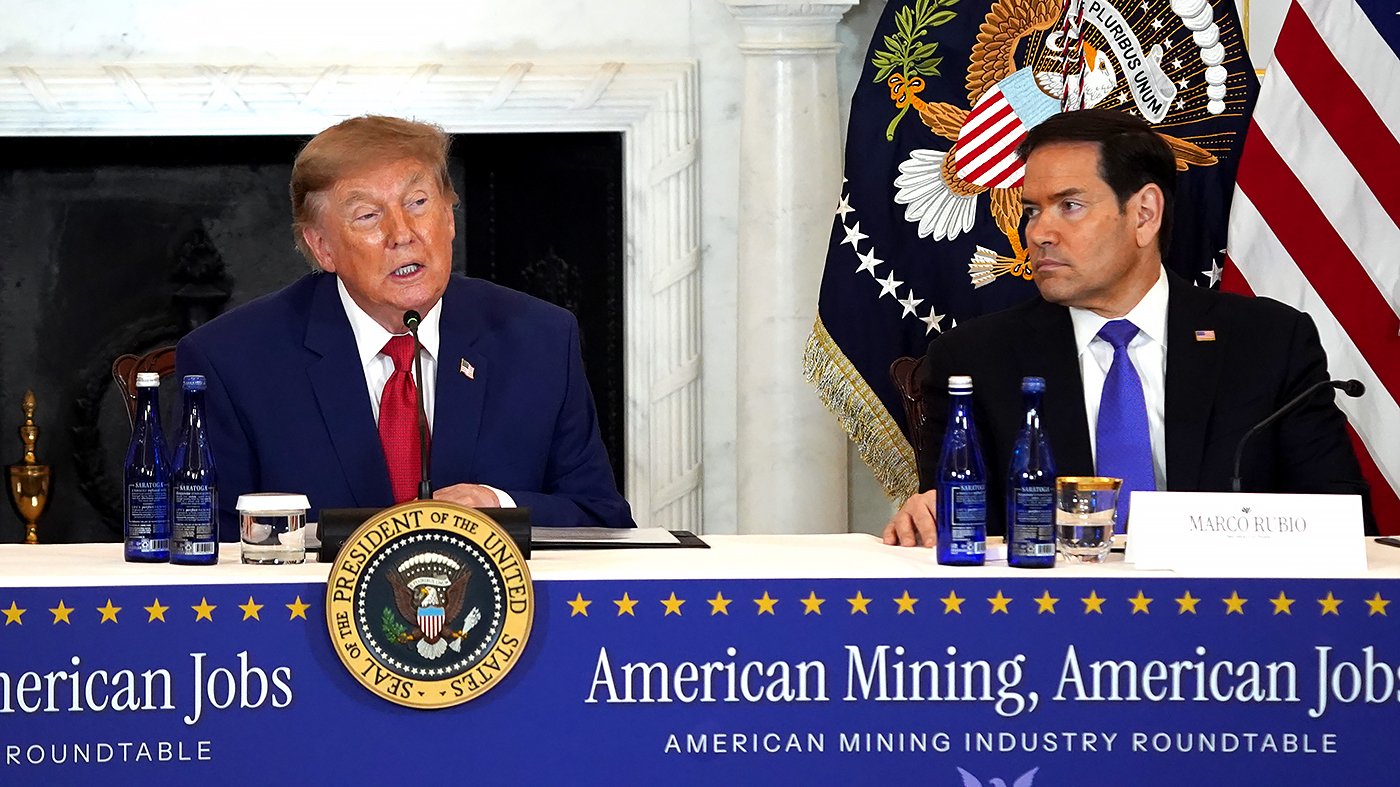
Secretary of State Marco Rubio, under President Trump’s direction, has made visa revocation a central tool of immigration enforcement. The administration has also used “foreign policy grounds” to deport individuals, including a Minnesota father of six who was pardoned by Governor Tim Walz for a child sexual abuse conviction and then deported to Laos. Others targeted include Cuban nationals linked to the communist regime, Iranians with ties to Tehran, and a Kuwaiti national who expressed wishes for violence against the president and called Americans his “enemy.”
One notable case cited by the State Department involved foreign nationals who celebrated the assassination of conservative activist Charlie Kirk, who was killed in September 2025. The department revoked visas for individuals who made statements such as “when fascists die, democrats don’t complain” and “died too late.” These examples underscore the administration’s willingness to revoke visas for speech it deems threatening, a practice that civil liberties advocates have criticized as overbroad.
The administration also highlighted actions against individuals arrested or charged with sexual assault, kidnapping, human trafficking, and fraud, as well as a U.S. embassy in North Africa that revoked more than 100 visas for “birth tourists”—parents who came to the U.S. primarily to give birth so their children would gain citizenship.
Immigration lawyers have expressed concern that the administration is revoking visas for encounters that did not result in convictions or for charges that were later dropped. “The term ‘law enforcement encounters’ is vague and could include anything from a traffic stop to an arrest without charge,” said one attorney who requested anonymity. “This raises serious due process questions.”
The announcement comes as the administration continues to push a hardline immigration agenda, including deportation arrests at military bases that have sparked Democratic scrutiny. The visa revocation figures are likely to fuel further debate over the administration’s use of executive power in immigration enforcement.
While the State Department touts the numbers as evidence of its commitment to public safety, critics argue that the policy conflates criminal activity with protected speech and punishes individuals without judicial review. The administration’s approach reflects a broader pattern of using immigration enforcement to target political opponents and perceived threats, a strategy that has drawn comparisons to past controversies.
As the administration continues to ramp up visa revocations, the legal and political battles over its authority are likely to intensify. The State Department’s statement concluded: “Under President Trump and Secretary Rubio’s leadership, the State Department will continue to identify, investigate, and revoke the visas of foreign nationals who threaten the safety of the American people.”