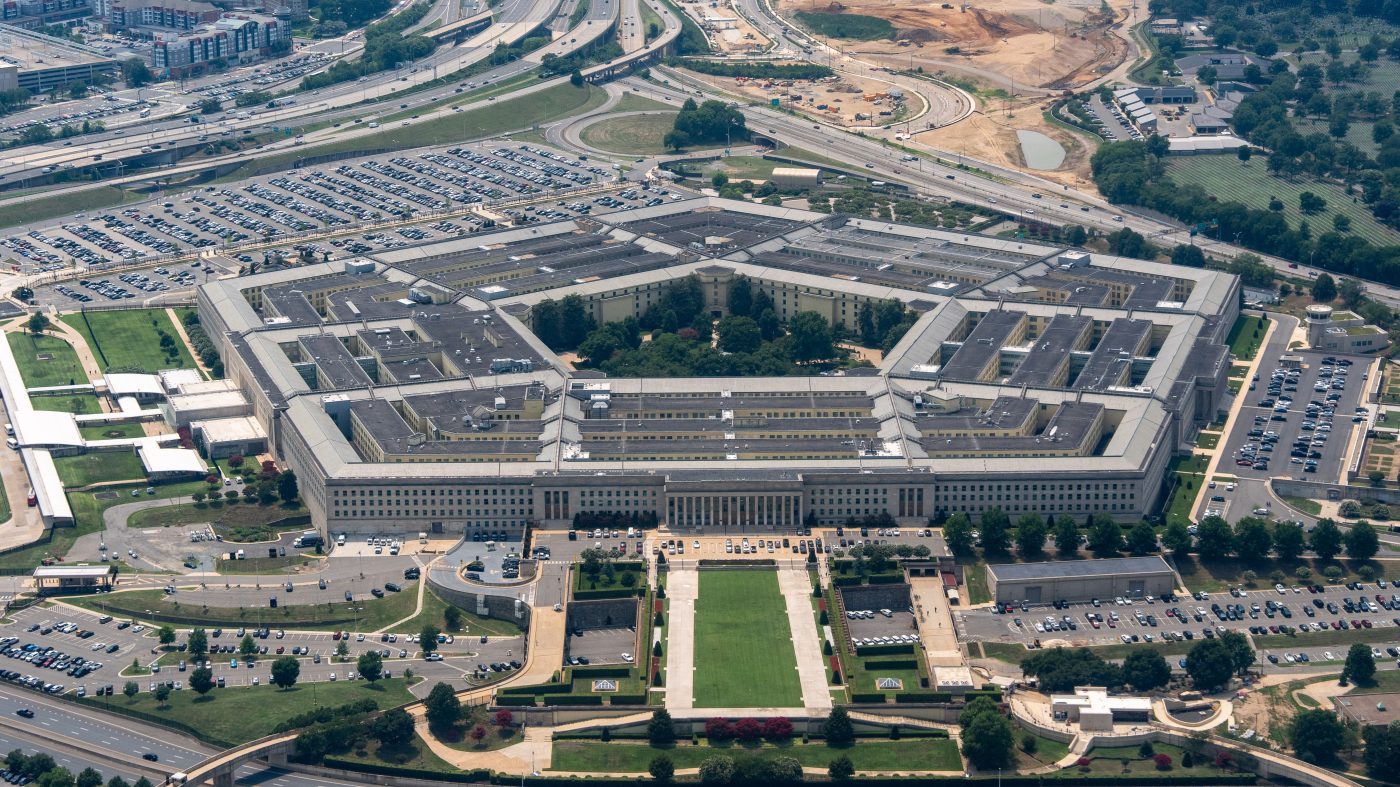
More than 60 Democratic lawmakers are demanding the Trump administration explain its immigration enforcement actions on military installations, which they say have turned bases into effective “traps” for noncitizen service members and their families.
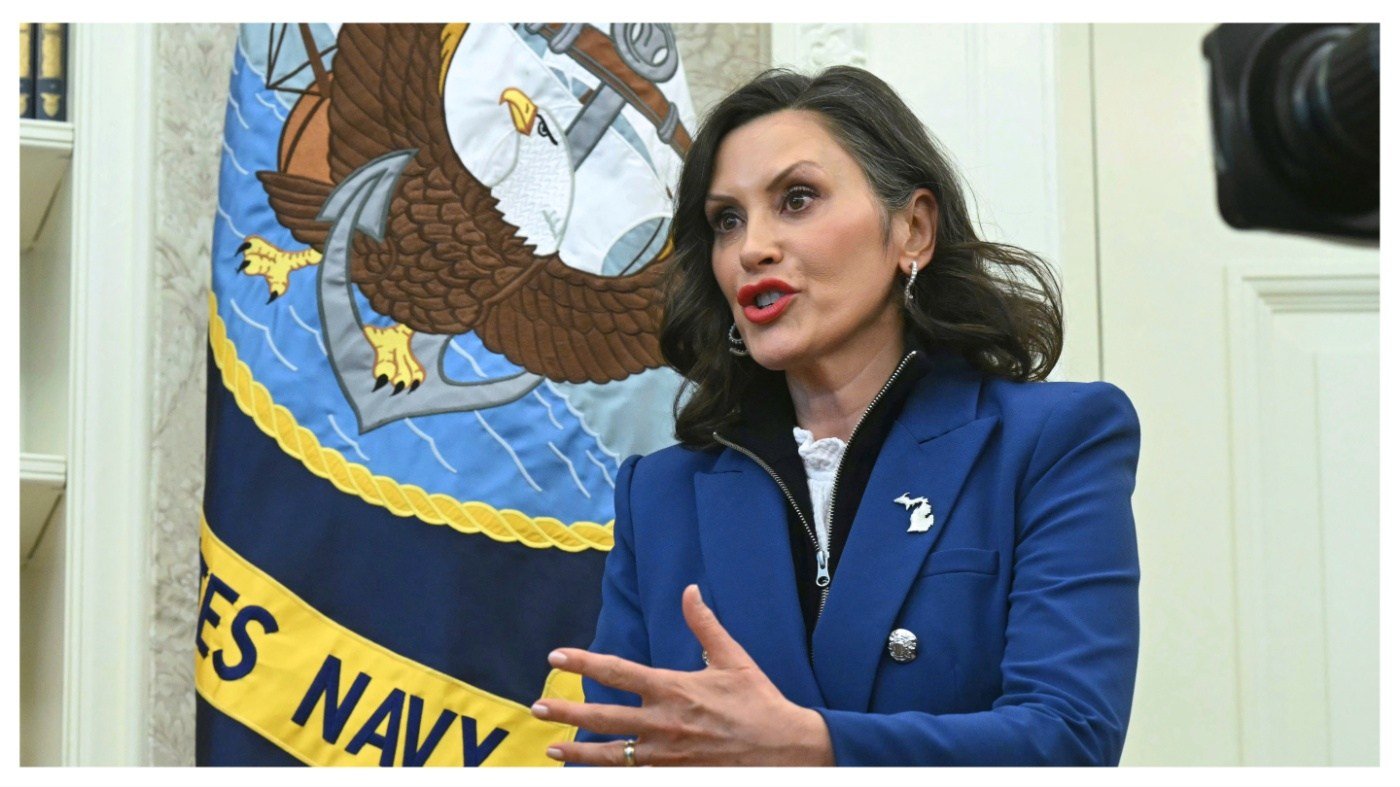
In a letter sent Sunday to Defense Secretary Pete Hegseth, Veterans Affairs Secretary Doug Collins, and Homeland Security Secretary Markwayne Mullin, the lawmakers—led by Sens. Elizabeth Warren (Mass.), Richard Blumenthal (Conn.), and Tammy Duckworth (Ill.)—cited multiple instances of service members, spouses, and parents being arrested on bases, warning that such actions undermine military readiness and morale.
“Aside from legal concerns, DoD’s new practices create a chilling effect on service members and their families, who may avoid accessing bases, medical care, housing offices, or support services—or leave the military entirely—out of fear that routine interactions could lead to detention or deportation,” the lawmakers wrote, according to a copy obtained by The Hill.
They added: “It is clear that immigration enforcement against non-citizen service members, veterans, and military families impacts morale and military readiness.”
The letter comes amid reports that the administration has refused to disclose how many service members have been detained under its expanded immigration operations. However, an investigation by the lawmakers’ offices found that Immigration and Customs Enforcement (ICE) arrested 125 veterans, “nearly two thirds of whom did not have an active criminal warrant,” and attempted to deport at least 282 veterans and family members. The White House and ICE did not respond to requests for comment; the Pentagon said it would respond directly to the lawmakers.
Legal and Ethical Concerns
The lawmakers argue that the Department of Defense’s involvement in civil immigration enforcement raises serious legal questions, including potential violations of the Posse Comitatus Act, which generally bars the military from domestic law enforcement unless authorized by Congress or the Constitution. They also contend that detaining service members could breach the Servicemembers Civil Relief Act, which shields active-duty troops—including noncitizens—from civil actions that interfere with their duties, such as immigration proceedings.
The letter urges DHS and the Pentagon to “restore longstanding policies recognizing military service as a significant mitigating factor in immigration proceedings” and to clarify their policies on coordination between DHS and military installations, the scope of enforcement actions, the legal authorities used, and safeguards for service members and their families.
Scope of the Issue
According to a congressional report, nearly 50,000 foreign nationals currently serve in the active and reserve components of the U.S. armed forces. An additional estimated 125,000 foreign nationals who are veterans or previously served on active duty reside in the United States, based on 2024 statistics.
To enlist, noncitizens must hold a green card and legally live and work in the U.S.; undocumented immigrants are not eligible. Many noncitizen service members pursue citizenship through accelerated naturalization processes available during conflict periods, according to the Migration Policy Institute.
The institute also noted that the Military Accessions Vital to the National Interest (MAVNI) program, launched in 2008, allowed certain noncitizens with in-demand skills—such as healthcare and critical languages—to join the military in exchange for expedited citizenship. Roughly 10,400 individuals enlisted through the program before it was phased out in 2017 after enhanced background checks were introduced.
The lawmakers’ letter is part of a broader push by Democrats to scrutinize the administration’s immigration policies, which have already sparked calls from progressive activists for stronger opposition. The move also follows Democratic efforts to hold administration officials accountable on other fronts.