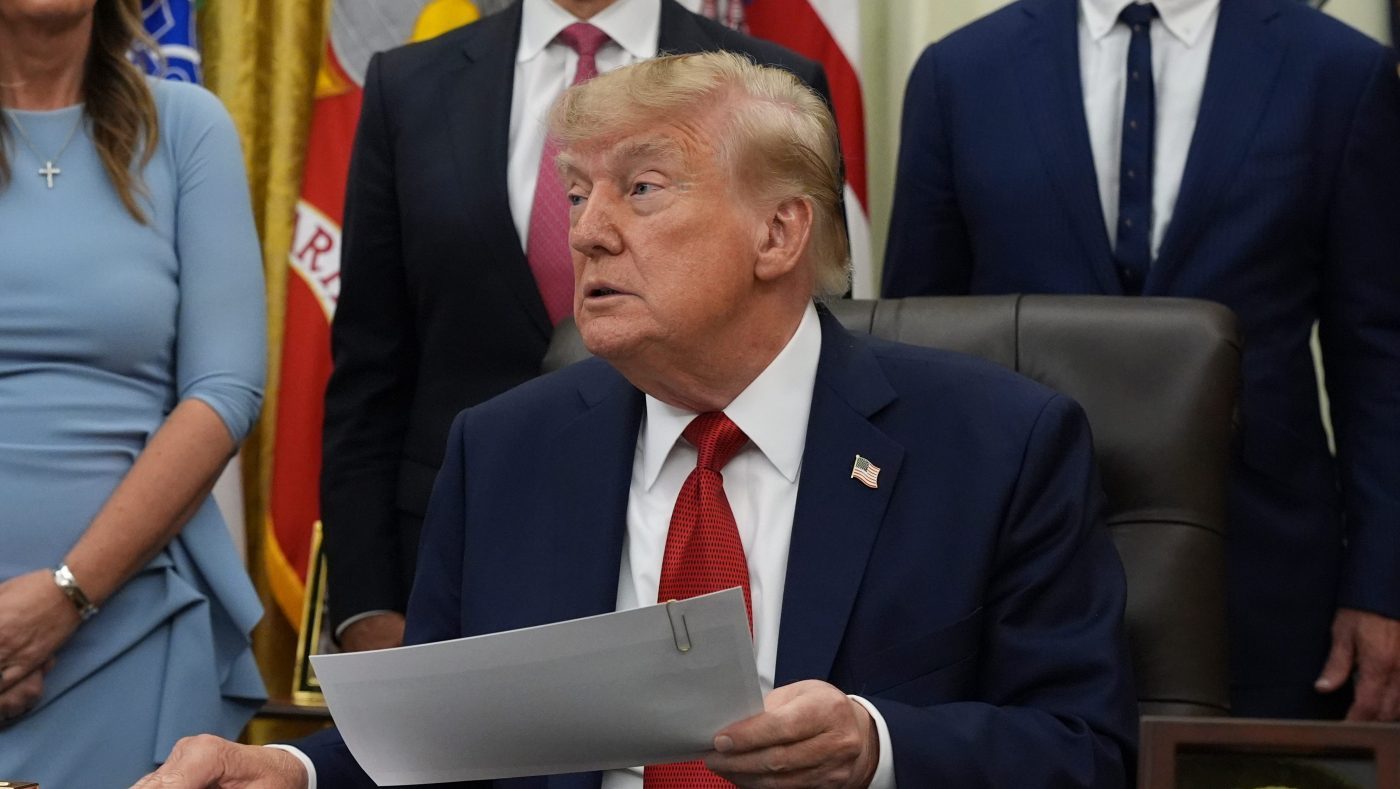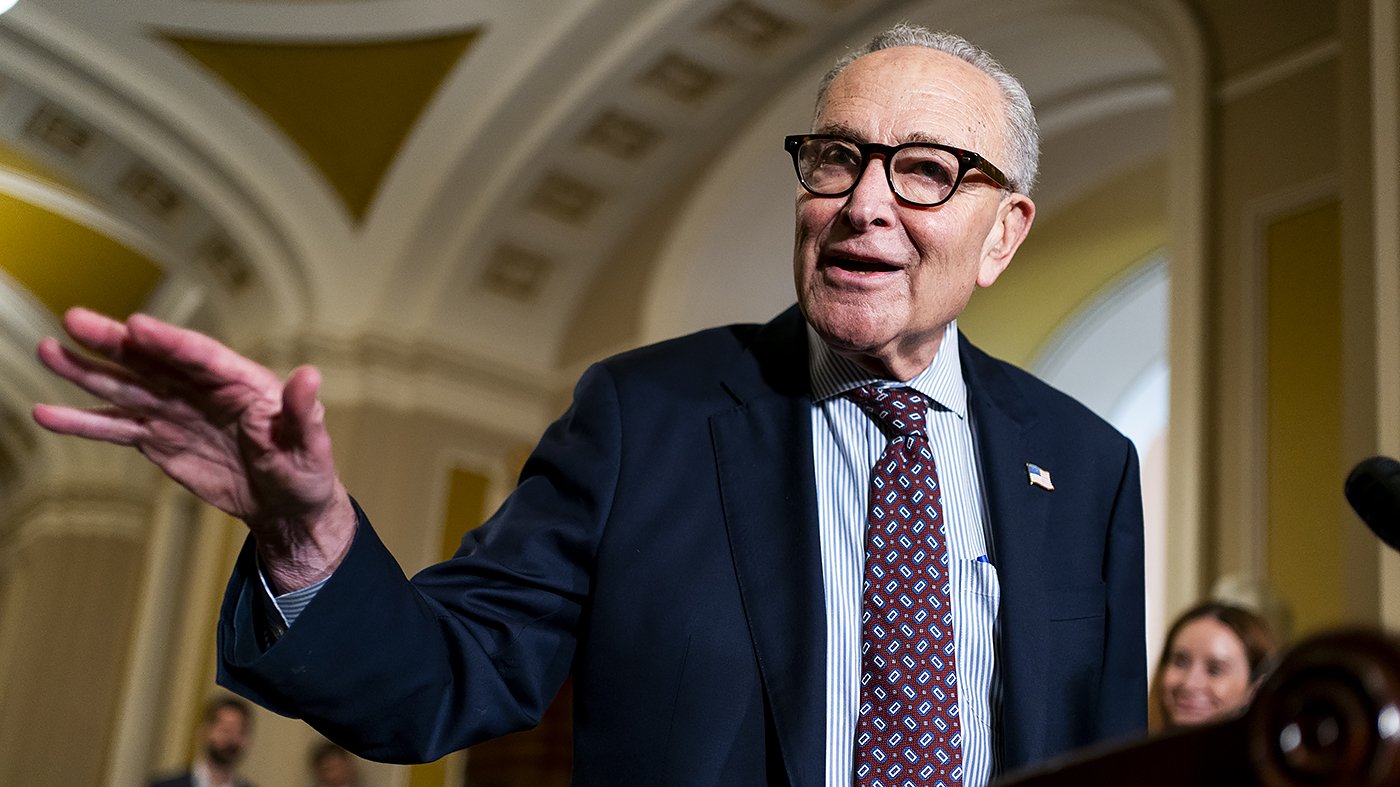
A fresh Economist/YouGov survey reveals that a solid majority of Kamala Harris's 2024 supporters are pressing Democratic lawmakers to take a more confrontational stance toward President Trump. The poll, conducted late July through early August, shows 74% of Harris voters believe Capitol Hill Democrats challenge the president too rarely, with only 2% saying they go overboard.
Among all respondents, the sentiment is more divided: 40% say Democrats are too soft on Trump, while 32% think they push back too aggressively. Another 14% consider the current level of opposition appropriate, and 14% remain undecided.
The findings arrive as Trump's approval numbers slide. His latest rating stands at 40% approval against 56.6% disapproval, according to the same poll. This comes amid a turbulent political climate for the GOP heading into the midterms, with an unpopular military engagement in Iran, persistent economic anxieties among voters, and controversy over the administration's immigration policies.
The survey also captures a broader shift within the Democratic Party, where anti-establishment figures have gained traction. Progressive and democratic socialist candidates have scored primary upsets against more traditional incumbents, signaling a base that wants more aggressive opposition. This dynamic is reflected in the poll's breakdown, which shows Harris voters overwhelmingly favoring a tougher line.
Political analysts note that the pressure on Democratic leaders to escalate their challenges could reshape legislative strategy and messaging in the coming months. Some lawmakers have already begun to adopt more combative rhetoric, while others caution against overreach that might alienate swing voters.
The poll's timing is notable, as the administration faces multiple crises, including the ongoing Iran standoff and legal battles over tariff policies. Trump's diplomatic efforts in the region have shown little progress, and his trade agenda has faced setbacks in court. These issues may be fueling the desire for stronger Democratic pushback.
Additionally, the rise of progressive candidates, as highlighted by a DSA co-chair's recent claim about socialist voters, suggests that the party's left wing is demanding a more assertive approach. This internal pressure could influence how Democratic leaders navigate the upcoming midterm elections.
The Economist/YouGov poll included 1,609 respondents and carries a margin of error of plus or minus 3.6 percentage points. The data underscores a growing appetite among the Democratic base for a more vocal and unyielding opposition to the president.