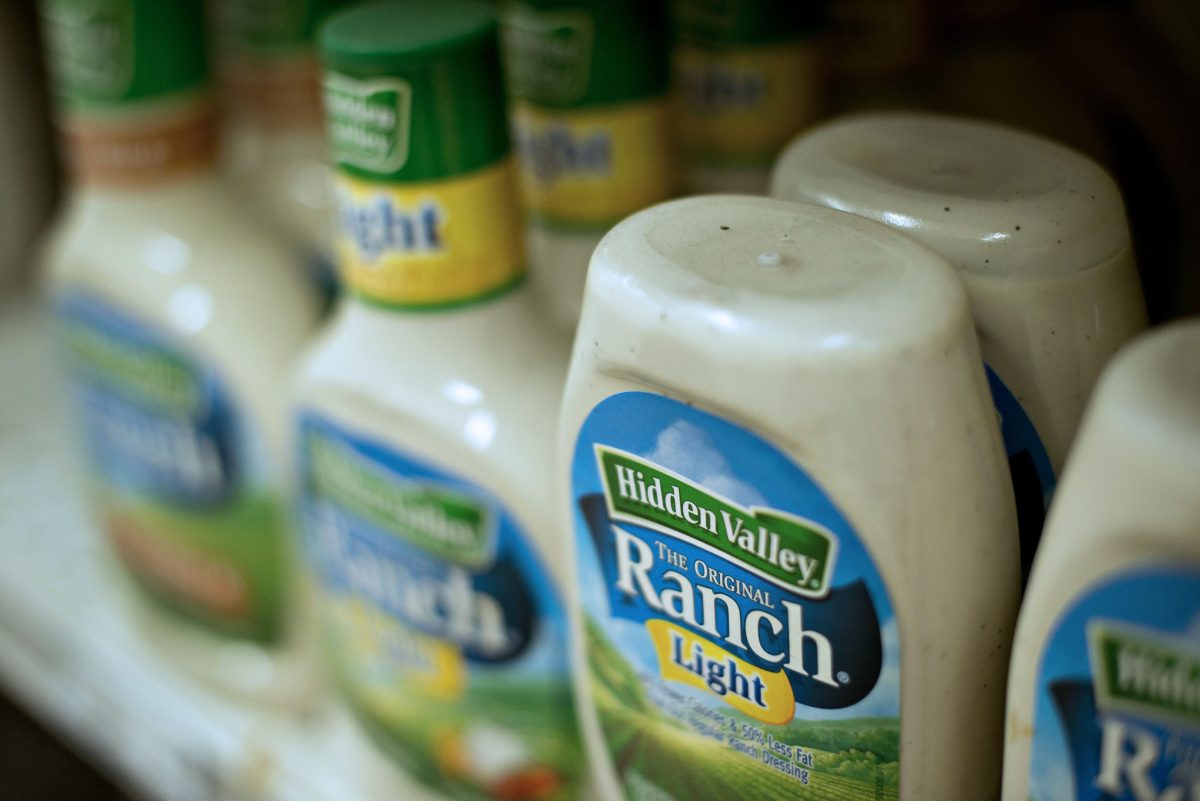
The Transportation Security Administration has issued an unusual plea to World Cup tourists visiting the United States: stop trying to bring bottles of ranch dressing through airport security checkpoints.
In a social media post earlier this month, the agency advised visitors attending the massive sporting event to pack their newfound favorite condiment in checked luggage instead of carry-ons. The TSA even joked about the frequency of these incidents, noting that the number of days since the last airport ranch incident stood at zero.

The warning comes amid a broader surge in travel, with the TSA preparing for 18.7 million passengers over the July 4 holiday and World Cup period. One German soccer fan captured the trend in a viral video, declaring, "I love ranch. I taste it here, and it's delicious. And I take two bottles with me home."
The Surprising Birthplace of Ranch Dressing
Ranch dressing, now a staple of American cuisine, was invented not in a test kitchen but in the Alaskan bush by a Nebraska-born plumbing contractor named Steven Henson. According to a biography published in the Santa Barbara Independent, Henson moved to Anchorage in 1949 and took a job feeding hungry work crews.
"It's tough to feed men up in those bush jobs," Henson recalled in a Los Angeles Times interview cited by Tedium. "If they don't like something, they're as likely to throw it at the cook as they are to walk out cursing. I had to come up with something to keep them happy." His solution was a tangy, creamy dressing that would later become known as ranch.
After saving enough money, Henson and his wife moved to California in the mid-1950s, purchasing 120 acres near Santa Barbara that they named Hidden Valley Ranch. Despite the name, former employee Alan Barker told CBS Sunday Morning that it was "a motel in the mountains" with no animals or crops.
From Mail-Order Packets to Global Phenomenon
Guests at the ranch raved about the dressing, and Henson began producing dry seasoning packets sold by mail. The recipe reportedly included buttermilk, mayonnaise or Miracle Whip, spices, and pure MSG—an ingredient Henson later acknowledged using. Barker recalled the dressing as "buttermilk, Miracle Whip, some spices and I think some chopped-up shallots—and then, the ingredient that was kept secret: pure MSG."
By the late 1960s, the business was booming, and the Clorox Company bought Henson's operation for $8 million. In the 1980s, Clorox developed a shelf-stable bottled version that could be shipped to retail outlets nationwide. Henson sold the physical ranch property in 1973 and passed away in 2007, before the advent of ranch dressing ice cream or kegged ranch.
The condiment's international appeal has grown alongside travel restrictions and geopolitical tensions that have brought more visitors to the U.S. for the World Cup. Meanwhile, TSA officers continue to intercept bottles at checkpoints, a testament to ranch's unlikely journey from an Alaskan work camp to a global culinary ambassador.