The Trump administration has not filed an emergency appeal against a federal judge's ruling that struck down key provisions of the 1934 National Firearms Act (NFA), a move that has gun control advocates on edge and Second Amendment supporters optimistic that the Justice Department may be stepping back from defending the law.
U.S. District Judge Wesley Hendrix ruled last week that parts of the NFA can no longer be enforced after Congress eliminated the $200 tax on silencers, short-barreled rifles, and short-barreled shotguns in last year's One Big Beautiful Bill Act. Hendrix gave the government seven days to seek emergency relief from the 5th Circuit Court of Appeals, but that window has now closed, and the injunction has taken effect.
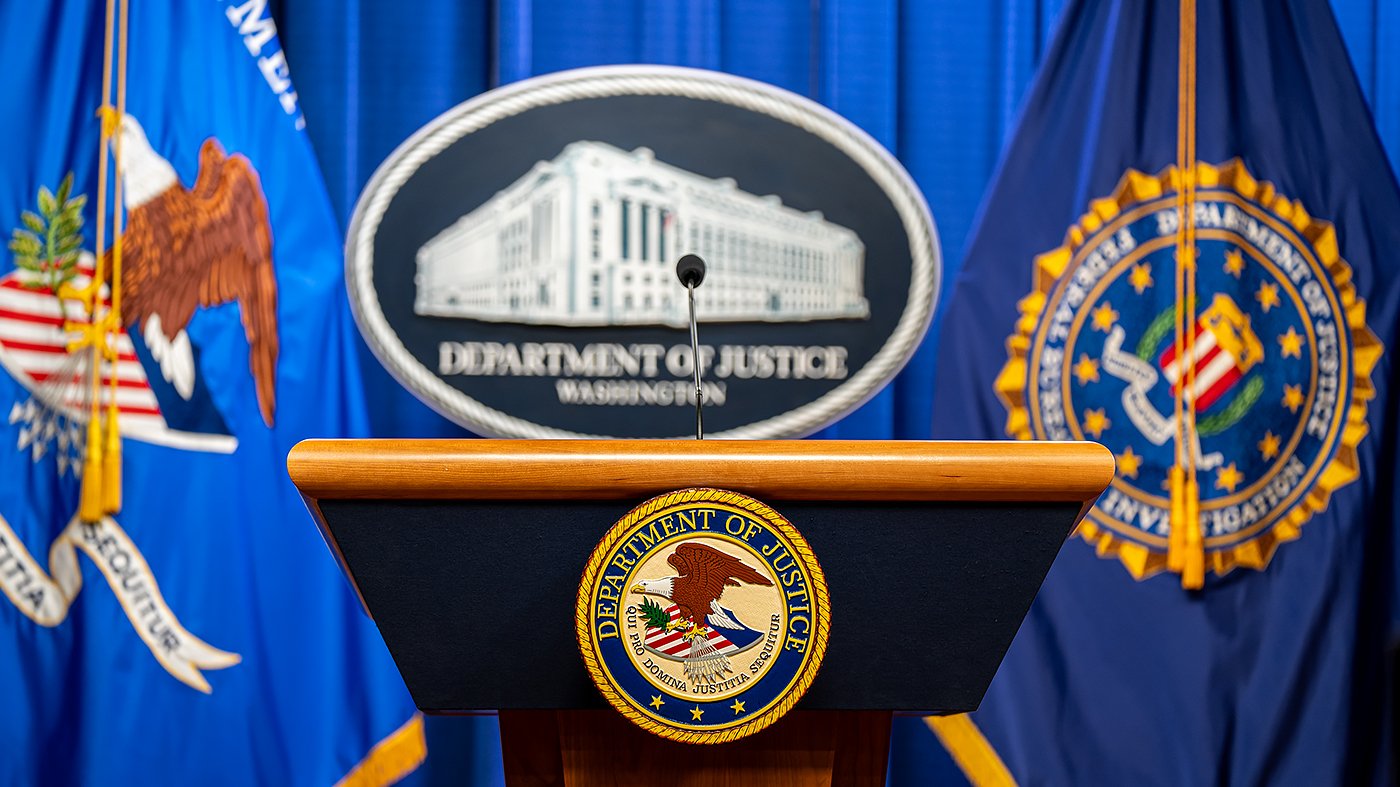
The Justice Department still has a 60-day window to file a standard appeal, but its silence has fueled speculation that the administration, under pressure from Republican lawmakers and gun rights groups, may choose not to. A DOJ spokesperson told The Hill that the department "respects Americans' Second Amendment rights and is currently assessing the impact of the court's ruling," declining to confirm whether an appeal is planned.
Gun control organizations are sounding the alarm. Kris Brown, president of Brady, said in a statement that "today, our government is failing us," adding that "uniquely lethal weapons and devices — including silencers, short-barreled rifles, and shotguns — were deregulated for the first time in nearly a century." She criticized the DOJ for failing to act to protect public safety.
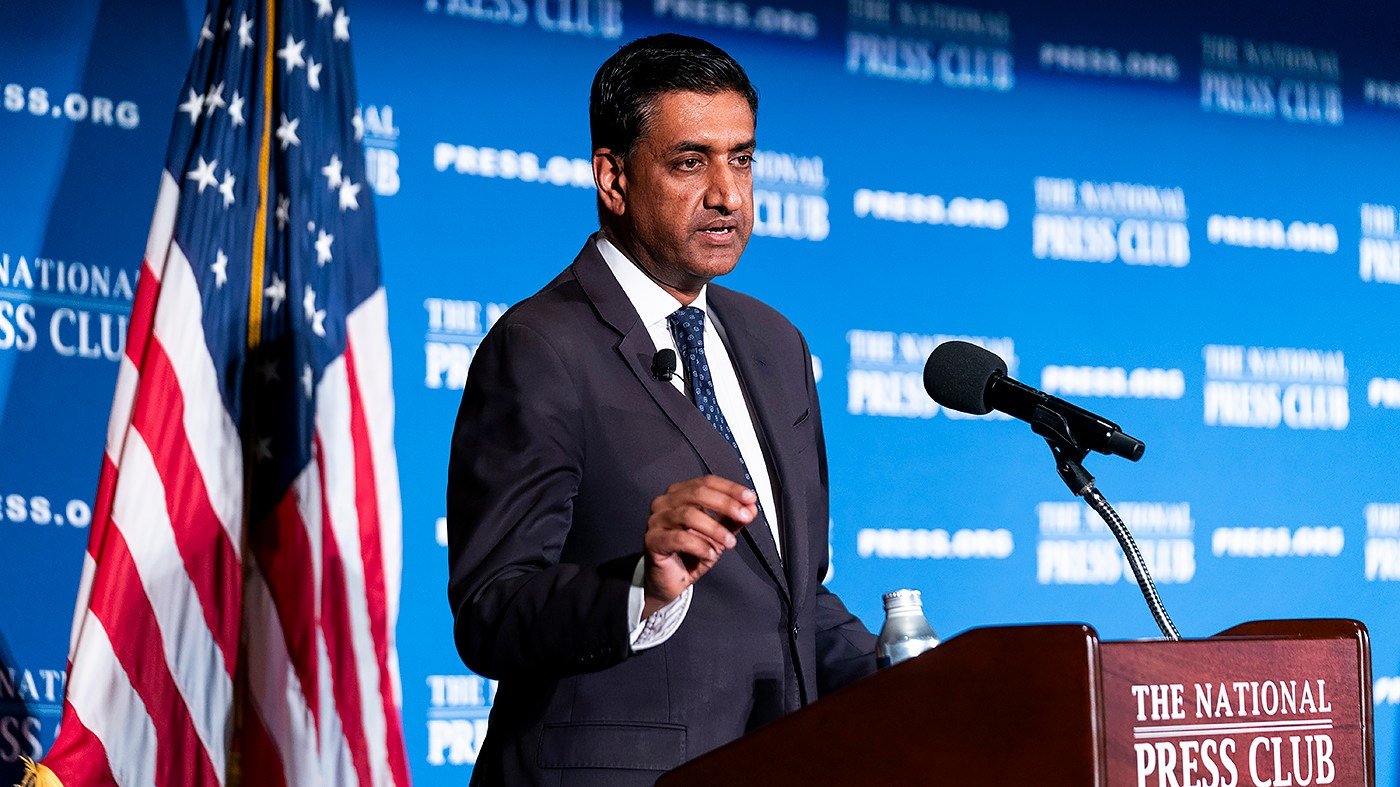
On the other side, roughly four dozen GOP lawmakers, led by Rep. Andrew Clyde (R-Ga.), sent a letter to Attorney General Todd Blanche on Tuesday urging him to decline an appeal. The letter argues that "an appeal would prolong regulatory uncertainty for law-abiding gun owners and businesses and would consume DOJ resources defending a position that this Congress and now a federal district court has said cannot stand."
The political pressure is mounting as the administration navigates a delicate balance between its base and public safety concerns. Everytown for Gun Safety President John Feinblatt demanded an appeal, stating that "this decision is a clear sign that under the leadership of AG Blanche, who has strong family ties to the gun industry, DOJ is more concerned with protecting gun companies than public safety."
The ruling and the administration's response come amid broader debates over gun policy and executive authority. The NFA has been a cornerstone of federal gun regulation for nearly a century, and its partial dismantling could have ripple effects on other firearm restrictions. The administration's stance on this issue may also signal its approach to other contentious legal battles.
As the 60-day appeal window remains open, the legal landscape is in limbo. The injunction applies only to the plaintiffs in the case—individuals, businesses, and Republican-led states—but the precedent could invite further challenges. For now, the DOJ's inaction has transformed a routine court ruling into a high-stakes political test, with both sides watching closely for the administration's next move.
Legal experts note that the government's decision could also be influenced by the Supreme Court's recent trajectory on Second Amendment cases, which has generally favored gun rights. The administration may calculate that an appeal would be futile or politically costly, especially with midterm elections on the horizon.
In the meantime, the practical effect is that silencers and short-barreled firearms are now effectively deregulated for the plaintiffs, a development that gun control groups fear could lead to a surge in these weapons. The NFA's future, and the DOJ's commitment to enforcing it, remains uncertain as the political and legal battle intensifies.