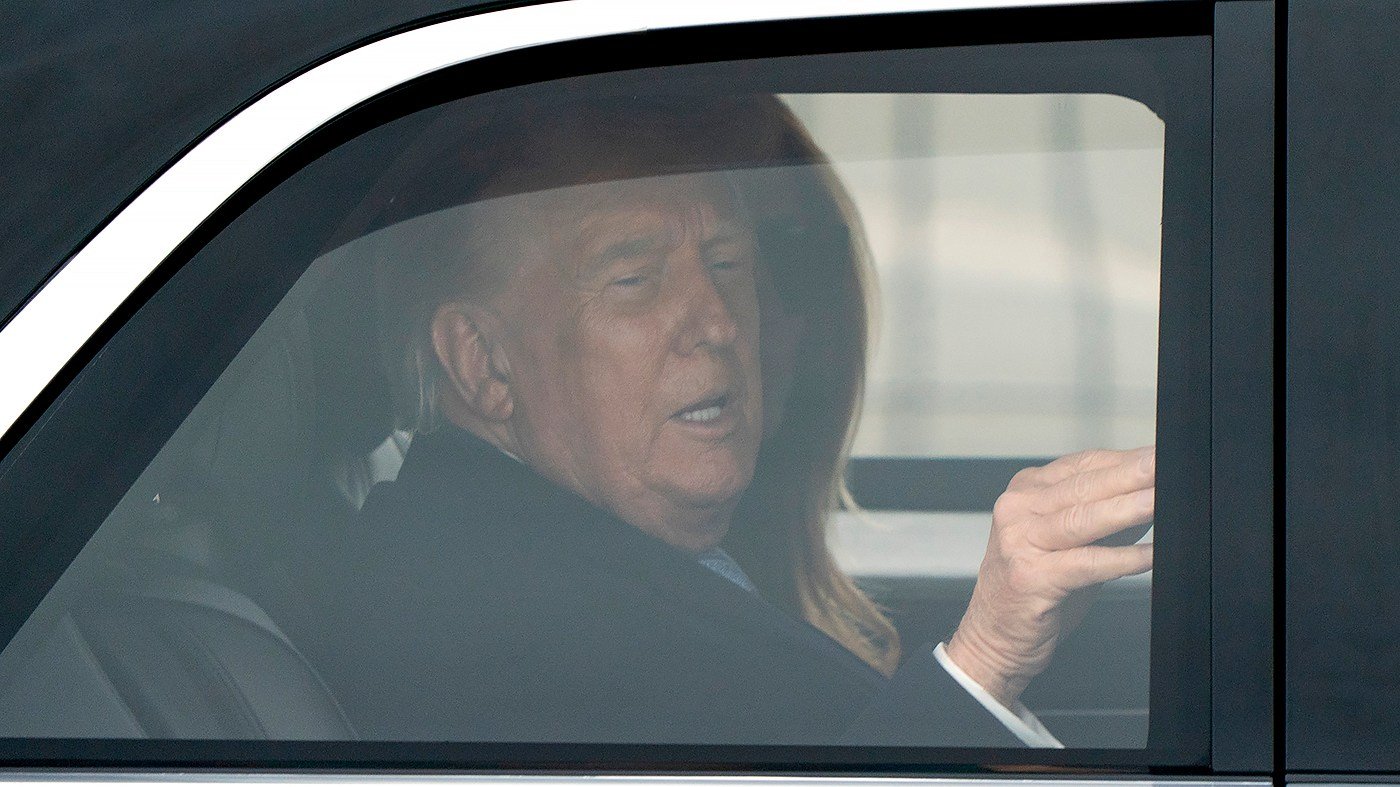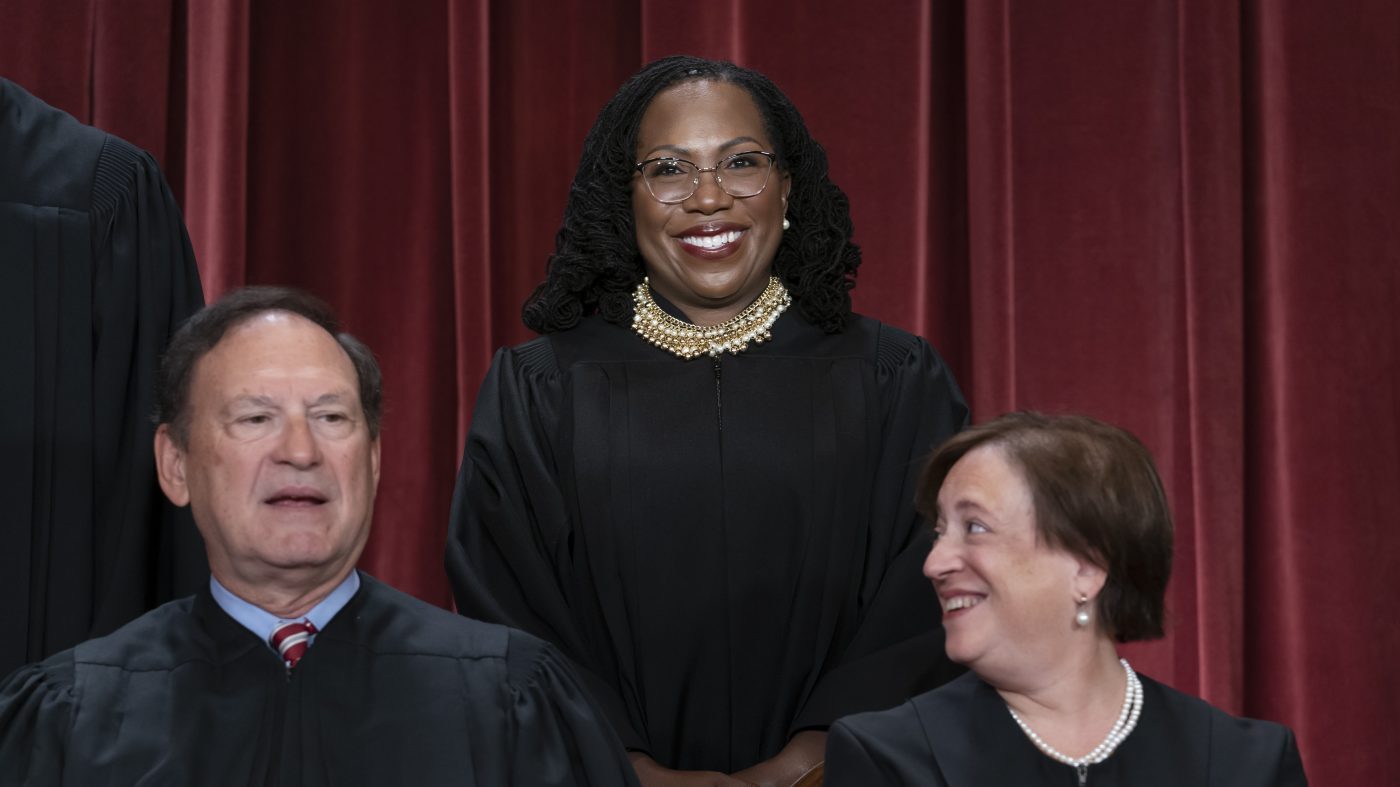
Sen. Jon Ossoff (D-Ga.) is already drawing intense interest in early polling for the 2028 Democratic presidential primary, but party strategists are quietly flagging a sensitive obstacle: his Jewish faith. Amid bitter internal divisions over Israel and the war in Gaza, Ossoff’s ascent is forcing Democratic operatives to confront whether being Jewish remains a glass ceiling in presidential politics.
“It’s going to be part of the conversation,” one Democratic strategist involved in the 2028 election said bluntly. “Is it unfair? Yeah, but it’s how our politics operate.” The strategist spoke on condition of anonymity to discuss the party’s internal dynamics.

The question carries extra weight because of the fierce, multiyear debate over U.S. support for Israel’s military campaign in Gaza. That fight has roiled Democratic primaries and fueled “uncommitted” protest votes when then-President Biden sought reelection in 2024. While many Jewish Americans and politicians have criticized Israel’s government and its conduct in Gaza, the clashes have sometimes expanded into disputes over Israel’s right to exist, and accusations of antisemitism have been lobbed at politicians across the spectrum.
The tension comes as some Jewish voters are reassessing their place in the party and weighing whether to back candidates such as Abdul El-Sayed in Michigan’s Senate race. Ossoff is not the only potential 2028 contender who is Jewish. Pennsylvania Gov. Josh Shapiro, a finalist in former Vice President Kamala Harris’s 2024 running-mate search, and Illinois Gov. JB Pritzker, who has said his faith “influences” him, are also top-tier possibilities.
Democratic strategist Steve Schale, who ran former President Obama’s Florida operation in 2008, said he hopes religion will not become a disqualifier. “I sure as hell hope it’s not an issue,” Schale said. “I believe, in the end, it’s going to be everything else that matters more.”
Recent polling helps explain why Democrats are talking about it. A Politico/Public survey earlier this year found that hypothetical Jewish candidates fared worse among both Democratic and Republican voters compared with Christian candidates. A separate survey last week showed Democrats were less likely to support candidates who regularly attended synagogue than those who went only once a year or did not practice a religion. Among Republicans, regular synagogue attendance actually helped candidates compared with occasional attendees. Strategists say those numbers are telling for any prospective Jewish candidate.
“I think it’s going to be the big debate of ‘Do they just sort of let it lie and talk about it as it comes up or try the big head-on speech about it?’” said Democratic strategist Eddie Vale. He pointed to Obama’s 2008 speech on race and John F. Kennedy’s address on religion before becoming the first Catholic president as examples of candidates turning perceptions around or confronting prejudice directly. “Overcoming people’s perceptions and biases” on Judaism will be something candidates must overcome, Vale said. “And it’s an open question where it ends up.”
The late Sen. Joe Lieberman (Conn.) became the first Jewish candidate on a major-party ticket as Al Gore’s running mate in 2000. During his own 2004 presidential run, Lieberman, an observant Orthodox Jew, found ways to discuss his religion proactively. “He found a way to deploy faith on the campaign trail,” said Basil Smikle, a Democratic strategist who worked for Lieberman. “I went to a Black church with him and he discussed his faith openly and was well-received. The issue isn’t religious affiliation. It’s connectivity.”
Ossoff has described himself as a “pro-Israel Jewish American.” He has backed aid for Israel’s defense but criticized Prime Minister Benjamin Netanyahu and the Israeli government’s actions in Gaza. He has voted to restrict some weapons transfers to Israel, a stance that has angered and alienated some Jewish constituents in Georgia. Last month, Michael Morris, publisher of the Atlanta Jewish Times, wrote an open letter blasting Ossoff’s Senate votes opposing Israel. “I apologize for being blunt but please, stop lying to me and your constituents,” Morris wrote. “I hear you claim, over and over again, that you support Israel — that your support is ‘ironclad.’ It is not. You vote against Israel on the Senate floor in Washington, then come home to Georgia and make this untruthful claim.”
Rep. Mike Collins (R-Ga.), who is running against Ossoff this year, has seized on that criticism, calling the senator a “sellout” and accusing him of pandering to progressive Democrats while highlighting his own support for Israel. While antisemitism and protests over Israel’s treatment of Gaza have increased, Smikle predicted voters will look past those tensions. Politicians, he said, “should be expected to celebrate their own faith.” But Schale noted that “religiosity in general isn’t great” among Democrats. With the 2028 primary still years away, the party’s handling of religion and Israel promises to remain a defining fault line.