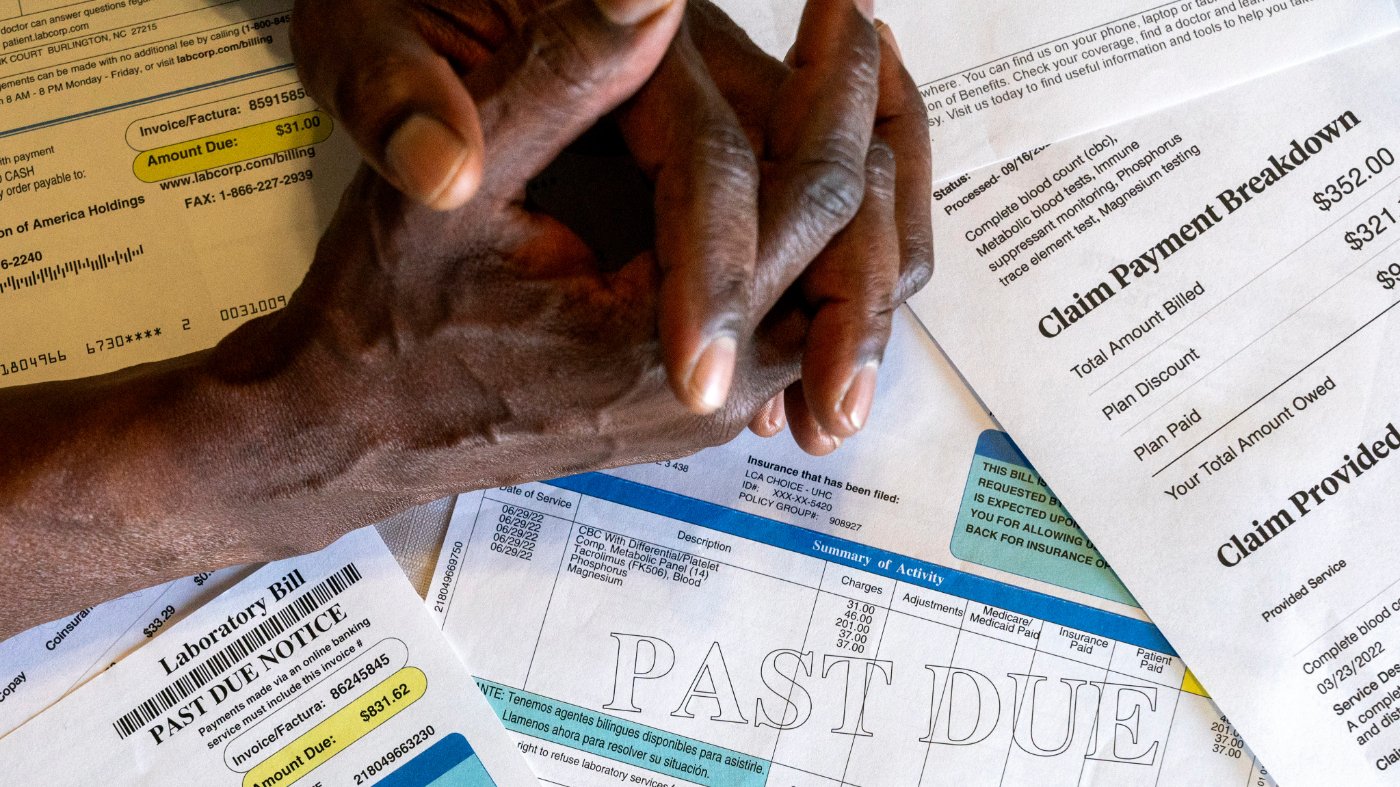
Fourteen years ago, concert pianist Claudia Knafo received a shocking $101,000 bill for spinal surgery—a bill that would ignite a movement culminating in the 2020 No Surprises Act. That landmark law was designed to shield Americans from unexpected out-of-network medical charges, a problem that once affected 41% of patients and nearly one in five emergency room visits. The Congressional Budget Office has confirmed the law is working, noting that prices for both in- and out-of-network care have dropped in recent years.
Despite this success, the nation's largest health insurers have launched a coordinated assault on the law. UnitedHealthcare, Elevance/Anthem, and Blue Cross Blue Shield plans have filed a wave of federal lawsuits against providers, hospitals, and billing intermediaries, often using identical language and flawed arguments. The timing and similarity of these suits suggest a synchronized industry effort to dismantle patient protections.

Big Insurance has also taken its case to the media. Bloomberg and trade publications have run pieces attacking the law and blaming doctors. UnitedHealthcare CEO Dan Kuerter used the Minneapolis Star Tribune to complain about “egregious” arbitration awards, even as his company reported over $8 billion in quarterly earnings and touted a reduced medical cost ratio. In July, a newly formed group called the Coalition Against Surprise Medical Billing—backed by industry powers—launched a six-figure ad campaign urging Congress to reject the No Surprises Enforcement Act.
The reason for this offensive is clear: insurers are losing badly. They lose 88% of arbitration cases that review their payment offers, and they frequently lose in federal court. A federal judge in Georgia dismissed the latest insurer suit against HaloMD, a billing intermediary, marking the third such dismissal after similar cases in California and Texas. Insurers also lost when the Trump administration finalized a rule governing arbitration in May, prompting another lawsuit.
Judges have been blunt about the insurers' tactics. In dismissing the Blue Cross Blue Shield case, Judge Thomas Thrash Jr. called it “highly improbable” that providers and arbitration entities conspired to defraud insurers, but found it “highly plausible” that insurers routinely submit lowball offers to maximize profits.
The American Heart Association reports that 76% of Americans are concerned about insurers' attempts to weaken the law. If they succeed, patients could face the return of surprise bills. Congress has the power to investigate this coordinated attack and should do so, as lawmakers should pass Rep. Greg Murphy's bipartisan No Surprises Enforcement Act to strengthen the law.
As Murphy noted, big insurance companies have not been held accountable for paying what they owe, and they are now trying to weaken the law further. Congress must act to stop this patient abuse in its tracks.