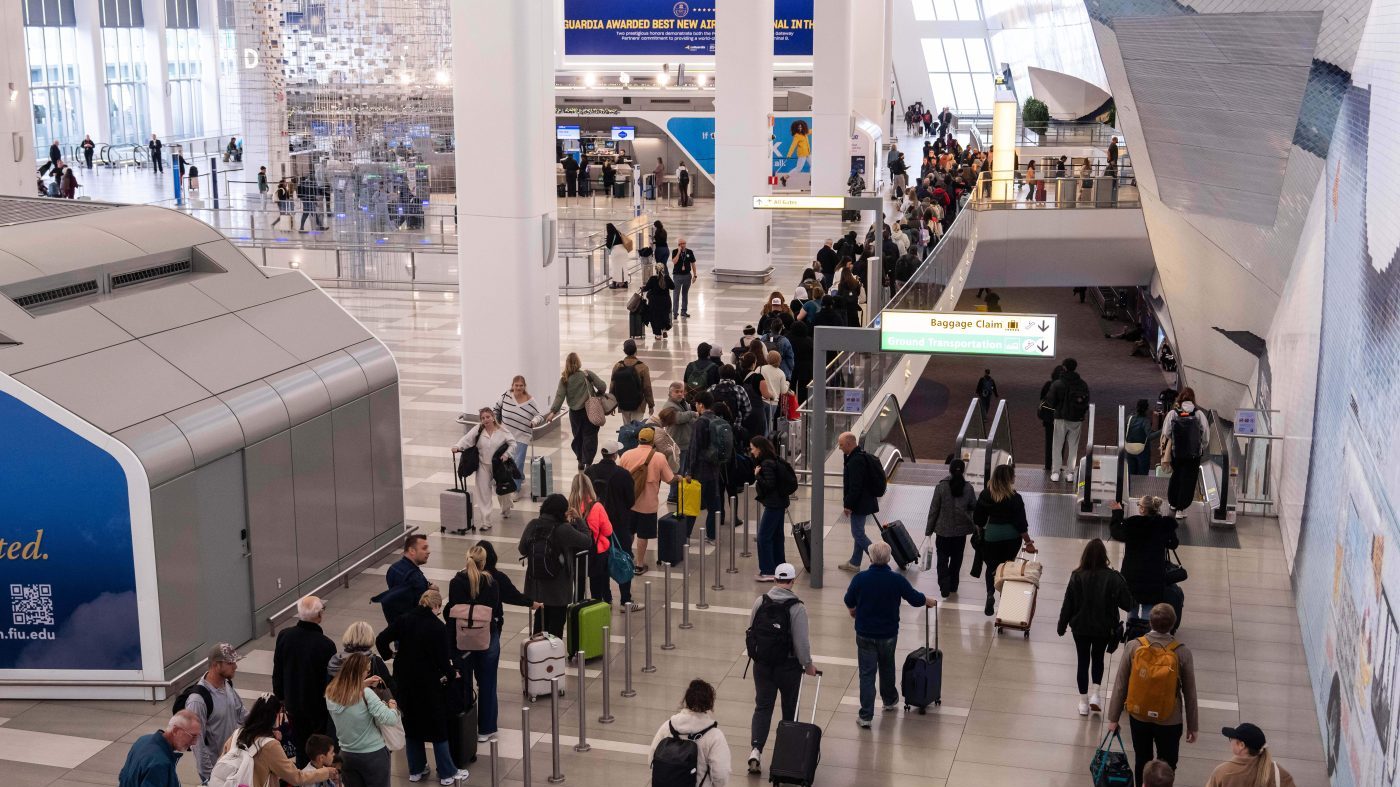
The Transportation Security Administration is bracing for a massive wave of air travelers as the nation prepares to celebrate its 250th anniversary and host FIFA World Cup matches. The agency announced it expects to screen approximately 18.7 million passengers between Tuesday, June 30, and Monday, July 6, marking one of the busiest travel periods in recent memory.
According to TSA projections, the heaviest traffic will hit on Thursday, July 2, when an estimated 3 million people are expected to pass through airport security checkpoints. That single-day volume would rival pre-pandemic records and strain airport infrastructure already dealing with staffing shortages and operational challenges.
Security Preparations and Staffing
Ha Nguyen McNeill, the TSA official currently performing the duties of administrator, emphasized that the agency is fully staffed and ready to handle the influx. “We’re thrilled so many passengers are planning travel to enjoy America’s milestone 250th birthday and celebrate the greatest nation on earth,” McNeill said in a statement. “TSA security checkpoints are fully staffed and prepared to welcome these travelers and handle the large passenger volumes expected during the Fourth of July holiday period.”
The agency has also ramped up resources for the FIFA World Cup, which overlaps with the holiday travel period. TSA has deployed additional canine teams and specialized units at airports in host cities. This dual demand comes as the agency faces scrutiny over wait times and security lapses, but officials insist they are prepared.
For context, the TSA’s screening numbers are part of a broader travel surge that has seen air passenger volumes climb steadily since the pandemic. The July 4 weekend historically ranks among the busiest, but this year’s confluence with the World Cup and the 250th anniversary has amplified expectations.
Traveler Advice and Political Implications
The agency is urging passengers to arrive early and check with their airlines before departure to avoid delays. This advice comes amid ongoing concerns about air travel reliability, including recent near-midair collisions and infrastructure issues. For instance, the FAA is investigating a close call between Delta and American jets at Boston Logan, highlighting the pressures on the aviation system.
Politically, the travel surge intersects with debates over federal spending and agency efficiency. The TSA, part of the Department of Homeland Security, has faced criticism from both parties over its budget and performance. Meanwhile, the Biden administration has touted infrastructure investments, but critics point to persistent bottlenecks at airports.
Beyond security, the holiday period also underscores broader economic trends. As housing costs soar—a record 25 million young adults now live with parents—air travel remains a luxury for many. Yet the TSA’s numbers suggest that millions are still willing to spend on trips, even as inflation bites.
For international readers, the U.S. travel surge mirrors patterns in Europe, where the EU’s asylum overhaul offers a blueprint for managing migration and border security. Domestically, the TSA’s readiness will be tested as it balances security with efficiency during one of the year’s busiest travel windows.