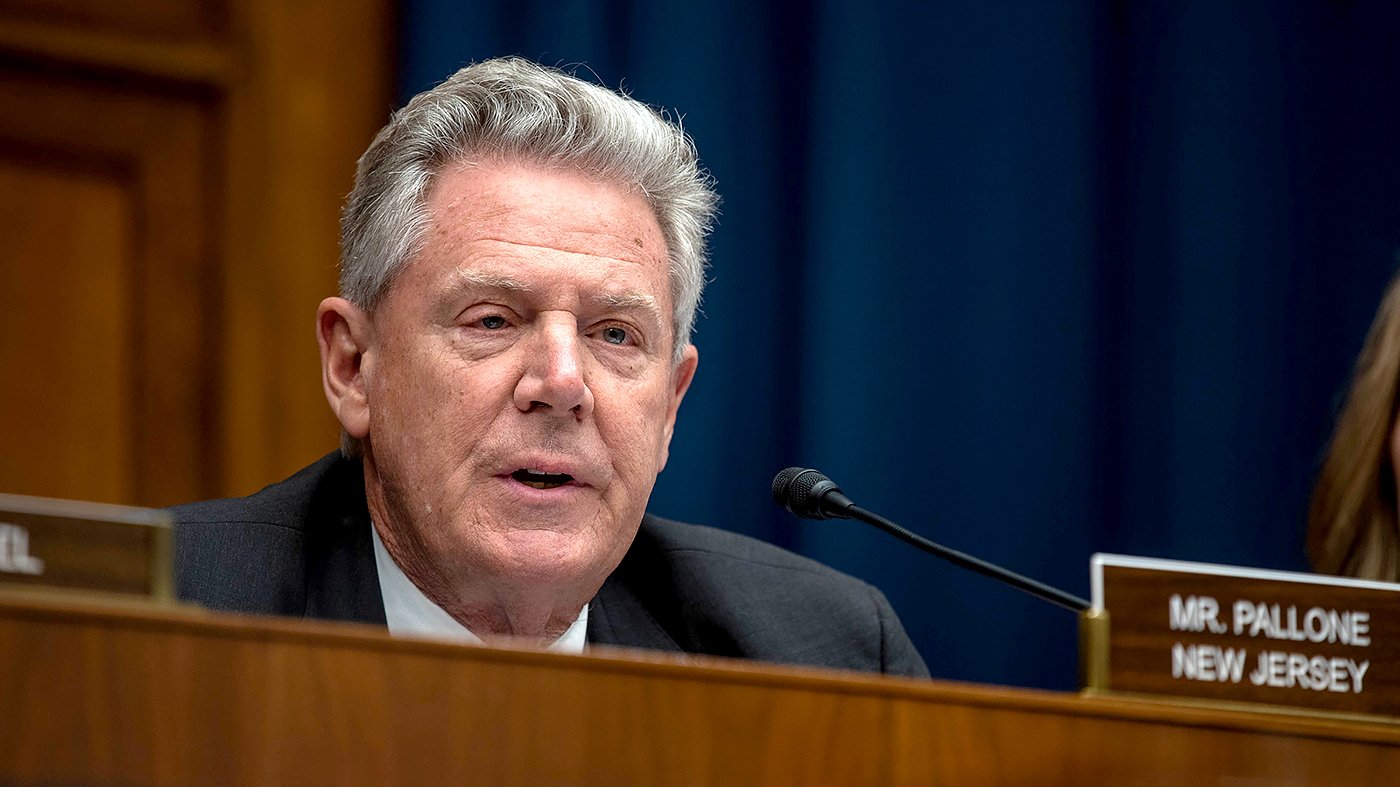
House Energy and Commerce Committee ranking member Frank Pallone (D-N.J.) escalated his scrutiny of airline pricing on Tuesday, sending letters to eight major carriers demanding transparency about their use of artificial intelligence and personal data to set fares.
The move expands an inquiry Pallone launched in May into whether companies are using consumers' personal information to charge different prices for the same products—a practice critics call "surveillance pricing." The letters went to American Airlines, Delta Air Lines, United Airlines, Alaska Airlines, JetBlue Airways, Southwest Airlines, Frontier Airlines, and Hawaiian Airlines.
"I am very concerned about companies potentially using Americans' personal data to determine what prices they see and pay," Pallone wrote in the letters, a copy of which was obtained by The World Signal. "Consumers deserve to know if businesses are using their personal information to manipulate the prices they pay or experiment with algorithms to set the prices they see."
Pallone is asking the airlines to disclose whether they factor in a customer's income, spending history, location, and browsing data when setting fares. He also wants details on how frequently AI adjusts prices, which data points carry the most weight, and whether any human review occurs before price changes take effect.
The New Jersey Democrat pointed to a study indicating that one airline boosted revenue by up to 6 percent using AI-driven pricing informed by consumer data. Several lawsuits have also accused carriers of exploiting personal data; a proposed class action filed against JetBlue in May alleges the airline engaged in "dynamic surveillance pricing."
Pallone's broader inquiry, which initially targeted 25 companies across various sectors, reflects growing bipartisan concern on Capitol Hill about algorithmic pricing and data privacy. The issue has drawn attention as Democrats and some Republicans push for stronger oversight of AI in commerce, though legislative action remains stalled.
"On top of rising health care and housing costs, increasing inflation, and volatile gas prices due to Trump's reckless war of choice, Americans now have to worry their personal data may be used to charge them higher prices," Pallone wrote. "Americans seem completely unaware that the prices they are paying, particularly and most notably when shopping online, might have been set using their own personal data."
The airlines have not yet publicly responded to Pallone's letters. Industry groups have previously argued that pricing algorithms are common and not inherently discriminatory, but consumer advocates and some lawmakers are pressing for more disclosure.
This inquiry comes as Democrats grapple with broader economic messaging heading into the 2024 elections, with some hoping to flip GOP-held Senate seats by focusing on cost-of-living issues. The debate over "surveillance pricing" also intersects with internal Democratic debates about the party's direction on regulation and corporate accountability.
Pallone's letters give the airlines a deadline to respond, though no specific date was included in the initial release. His office indicated that the responses will inform potential legislative proposals to increase price transparency and data protection.