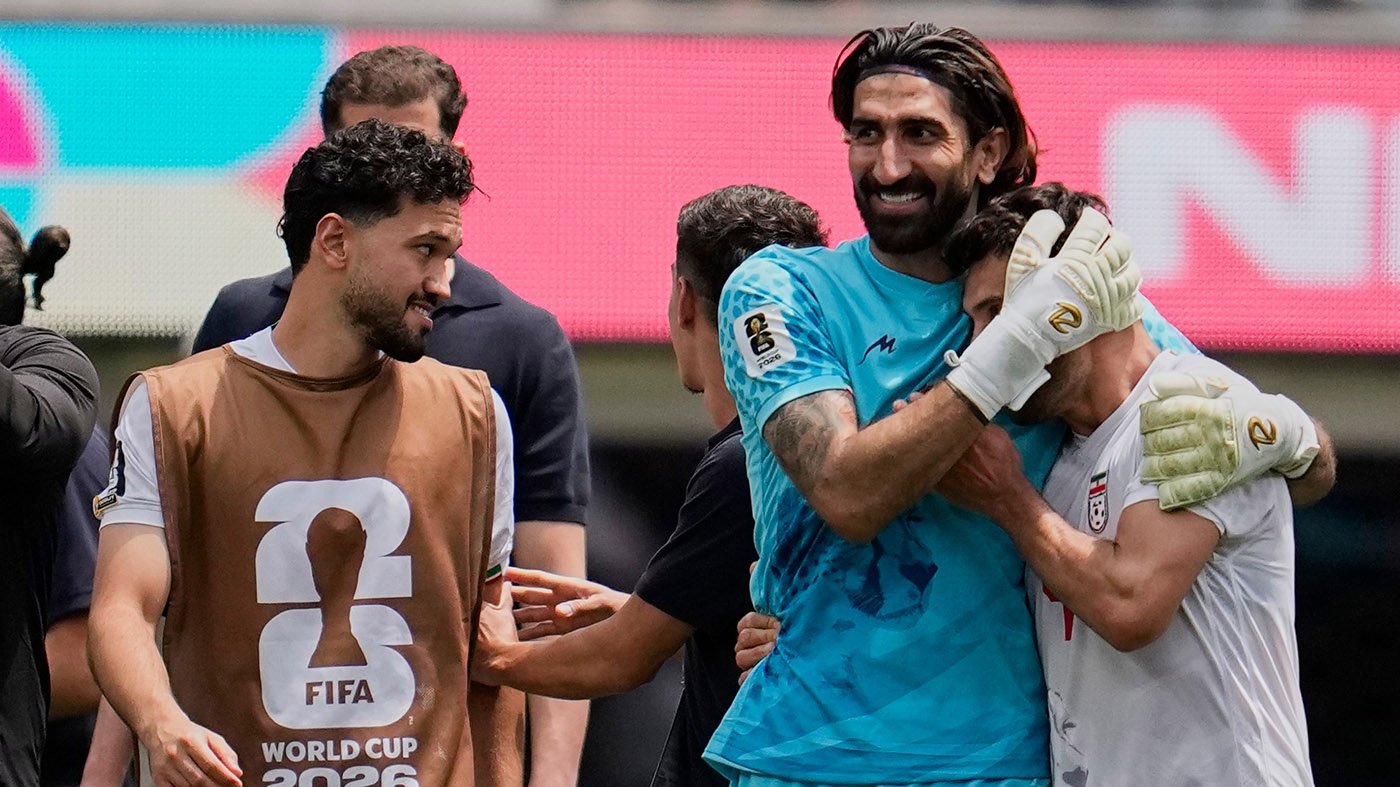
The Iranian men's national football team is set to face Egypt on Friday night in Seattle with a chance to advance to the knockout round of the 2026 FIFA World Cup, a feat made all the more remarkable by the unique geopolitical and logistical hurdles the squad has faced throughout the tournament.
Iran, ranked 21st globally, has already surprised observers by securing draws against New Zealand and heavily favored Belgium in group play. A tie against Egypt—ranked 26th and featuring stars like Mohamed Salah and Omar Marmoush—would be enough to push Iran into the round of 32. A win would guarantee their spot outright.
But the team's journey has been overshadowed by the ongoing tensions between Tehran and Washington. The United States, which is hosting the tournament, has imposed strict travel restrictions on Iranian players and staff, forcing the team to train in Mexico and leave the U.S. between matches. U.S. officials cite security concerns, but Iranian players and coaches have pushed back, warning the disruptions could affect their performance.
“When you consider what they’ve gone through, it’s remarkable that they’ve tied the two games they’ve played so far,” said Patrick Ridge, a Virginia Tech professor and World Cup historian. “It’s looking unlikely they’ll be in a position to win their group, but tying a team like Belgium was pretty unexpected.”
The political backdrop has been impossible to ignore. Hundreds of Iranian protesters demonstrated outside the Los Angeles stadium where Iran played Belgium, with some booing the national anthem. One supporter was detained after attempting to run onto the field wearing a shirt bearing the pre-revolutionary flag. Meanwhile, Iranian state media has accused the U.S. and FIFA of using the World Cup to whitewash American military operations in the Middle East.
The Trump administration has further escalated tensions. Homeland Security Secretary Markwayne Mullin claimed this week that Iran had tried to bring someone with ties to the Islamic Revolutionary Guard Corps into the U.S. ahead of the tournament—a charge the Iranian football federation called “an outright and undeniable lie.” The incident echoes broader security concerns that have led to TSA confiscating over 300 drones at World Cup venues amid heightened security measures.
Historians note the unprecedented nature of the restrictions. “As far as I can tell, there is not a precedent for this,” said Mauricio Borrero, a St. John's University historian who has followed the World Cup for decades. “It strikes me as incredibly petty on the part of the U.S. government. The players can say it does not impact them, but it can’t ever be far off their minds.”
Iran’s players have publicly maintained their focus on the sport. In a note left in their locker room in Los Angeles, they wrote: “From the Persia of thousands of years ago to the civilized Iran of today, the spirit of Iran remains alive and steadfast. We came to Los Angeles with pride, competed with honor, and leave with dignity.”
Friday's match also carries a cultural dimension: Seattle has designated Iran vs. Egypt as its “Pride Match,” complete with LGBTQ-themed activities and watch parties. FIFA distanced itself from the designation, while Iran's team said it “takes this matter seriously and has clearly communicated its position to FIFA.” The controversy adds another layer to a tournament already fraught with political undercurrents, including a reported drop in cartel homicides across Mexico during the World Cup.
If Iran falls short, some observers argue the team could claim it was put at a competitive disadvantage. But FIFA, which has worked to maintain ties with the Trump administration, is unlikely to entertain such accusations. A FIFA official told The Hill that President Gianni Infantino has had “regular exchanges” with the Iran Football Federation to ensure “smooth participation,” and that the organization's position on Iran is no different than for any other team. FIFA views the World Cup as “a unique opportunity to set aside differences and unite the world,” the official said.