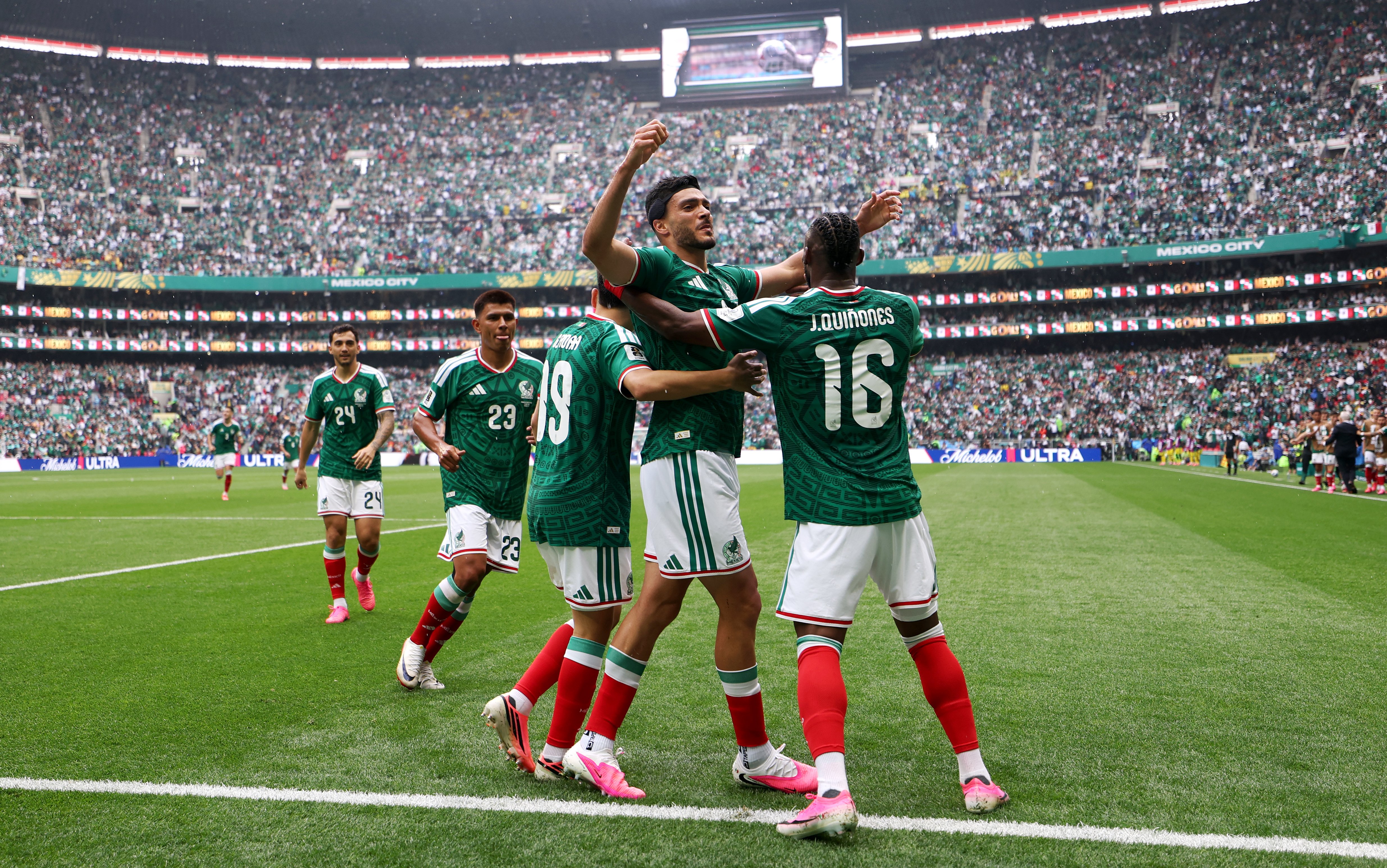
As Mexico co-hosts the World Cup alongside the United States and Canada, the country is experiencing a dramatic drop in cartel-related violence, with homicide rates hitting decade lows since the tournament kicked off.
Security analyst David Saucedo, speaking to investigative outlet Aristegui Noticias, said drug cartels appear to have quietly agreed to a “World Cup truce” while the games are underway. He acknowledged there is no public evidence to confirm a formal agreement, but the data is striking.
On June 11, the day Mexico opened its World Cup campaign with a 2-0 win over South Africa at Estadio Azteca, the country recorded 30 murders — the lowest single-day total since President Claudia Sheinbaum took office in October 2024, according to government data. Five days later, homicides dropped to 27, the lowest daily count in a decade.
Mexico City and Guadalajara, both hosting multiple matches, each reported just one homicide. Monterrey, which is hosting four matches, reported zero homicides. The calm contrasts sharply with the violence that erupted earlier this year.
Saucedo said the drop in violence coincides with a pause in major law enforcement action against cartel leadership. There have been no high-profile arrests or large-scale operations, he noted, because targeting top traffickers right now could trigger retaliatory attacks against the government during the tournament.
The picture looked very different in February, when cartel leader Nemesio “El Mencho” Oseguera-Cervantes was killed during a military capture operation. The operation sparked a wave of violence that left 70 people dead and saw cartel gunmen torching vehicles and businesses across Jalisco, the Associated Press reported. At the time, the chaos raised serious questions about whether Mexico could safely host World Cup matches. Guadalajara responded by deploying close to 15,000 security personnel, including National Guard troops with assault rifles stationed near stadiums.
The current lull underscores the delicate balance between security and spectacle. While the truce appears to be holding, analysts warn that the underlying criminal dynamics remain unchanged. The World Cup 2026 opening week has been dominated by politics and security concerns as much as by soccer.
The situation also highlights the broader challenge of cartel violence in Mexico, which has long strained relations with the United States. The killing of a Tren de Aragua leader earlier this year sent an unmistakable warning from the Trump administration about cross-border security expectations.
For now, the truce offers a respite — but one that depends on both cartel restraint and a calculated pause in government enforcement. Whether it lasts beyond the final whistle remains an open question.