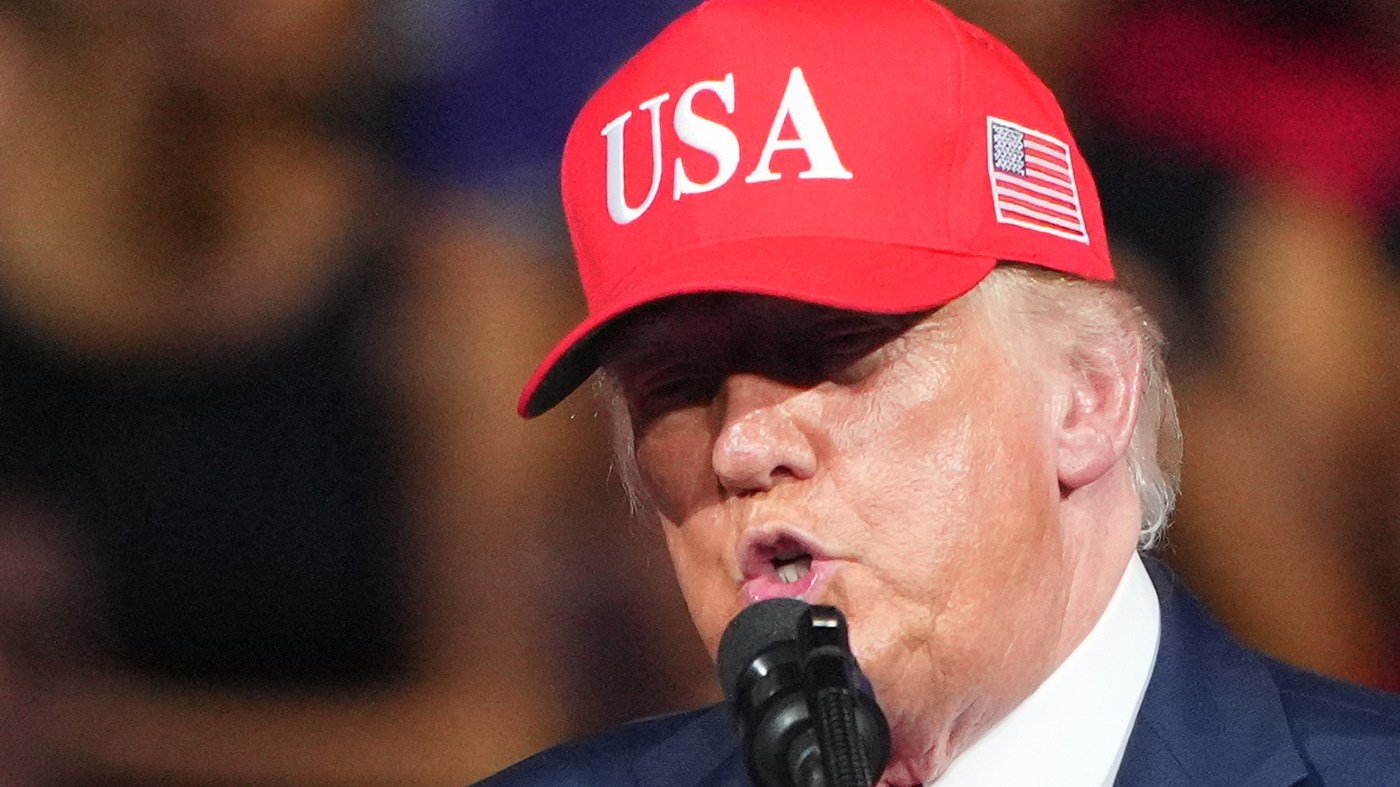
The White House is stepping up pressure on the Senate to advance a $95 billion reconciliation package, leaning on farm and forestry groups to build momentum. The legislation, which cleared the House last month, bundles $12 billion in agricultural assistance with $73 billion for defense and intelligence programs, plus $10 billion designed to encourage states to adopt voter identification rules backed by President Trump.
In statements shared first with The Hill, the American Sugar Alliance, the Farm Credit Council, the Forest Landowners Association, and the National Cotton Council all urged swift action. Their appeals come as Senate Republicans remain split over the measure's size and scope, with Majority Leader John Thune (R-N.D.) repeatedly signaling that the votes aren't there yet.

Farm groups highlight disaster relief and economic pressures
Farm Credit Council President and CEO Christy Seyfert called the $12 billion in assistance "critical economic and disaster support" for farmers, ranchers, and rural communities, and pressed for quick passage. The Forest Landowners Association echoed that urgency, pointing to worsening wildfires and hurricane seasons that have hammered private forest owners.
"Congress and the Administration must ensure disaster relief funding and recovery opportunities are readily available so private forest landowners can restore damaged forests and continue keeping America's working forests healthy, productive, and resilient," a spokesperson said.
The American Sugar Alliance's executive committee praised the agricultural and tax provisions in last year's reconciliation bill for helping producers "weather those economic headwinds." They said they appreciate Congress's recognition of the need to strengthen the farm safety net and back tax policies that support family farms and rural businesses.
The National Cotton Council went further, urging the Senate Agriculture Committee to approve a package that "at least mirrors the $12 billion of the House directive – or, ideally, slightly exceeds it."
Senate obstacles and White House defense
Despite the unified front from agriculture, the package faces a steep climb in the upper chamber. Senate Republicans are divided over the inclusion of election-related incentives, particularly the Safeguard American Voter Eligibility (SAVE America) Act, and some are wary of funding an unpopular conflict. Thune has said publicly that Republicans lack the necessary votes to pass the bill.
The White House counters that the defense and intelligence funding is essential to replenish U.S. weapons stockpiles and to sustain military innovation. White House spokesperson Anna Kelly touted the administration's agricultural record, citing new trade deals, expanded foreign market access, lower input costs, and a strengthened farm safety net. She also pointed to the doubling of the death tax exemption and the elimination of taxes on rural property loan interest as evidence of the president's commitment.
"President Trump has done more for American agriculture than anyone by negotiating new trade deals, expanding foreign market access, lowering input costs, bolstering the farm safety net, doubling the death tax exemption, ending taxes on rural property loan interest, creating rural opportunity zones, and more," Kelly said.
The push comes as the administration also faces scrutiny over spending claims—recent reports have questioned the accuracy of purported savings, adding another layer of tension to the broader fiscal debate. And as the Senate weighs its next steps, the farm lobby's backing could prove crucial in swaying undecided Republicans, though whether it's enough to overcome internal divisions remains uncertain.