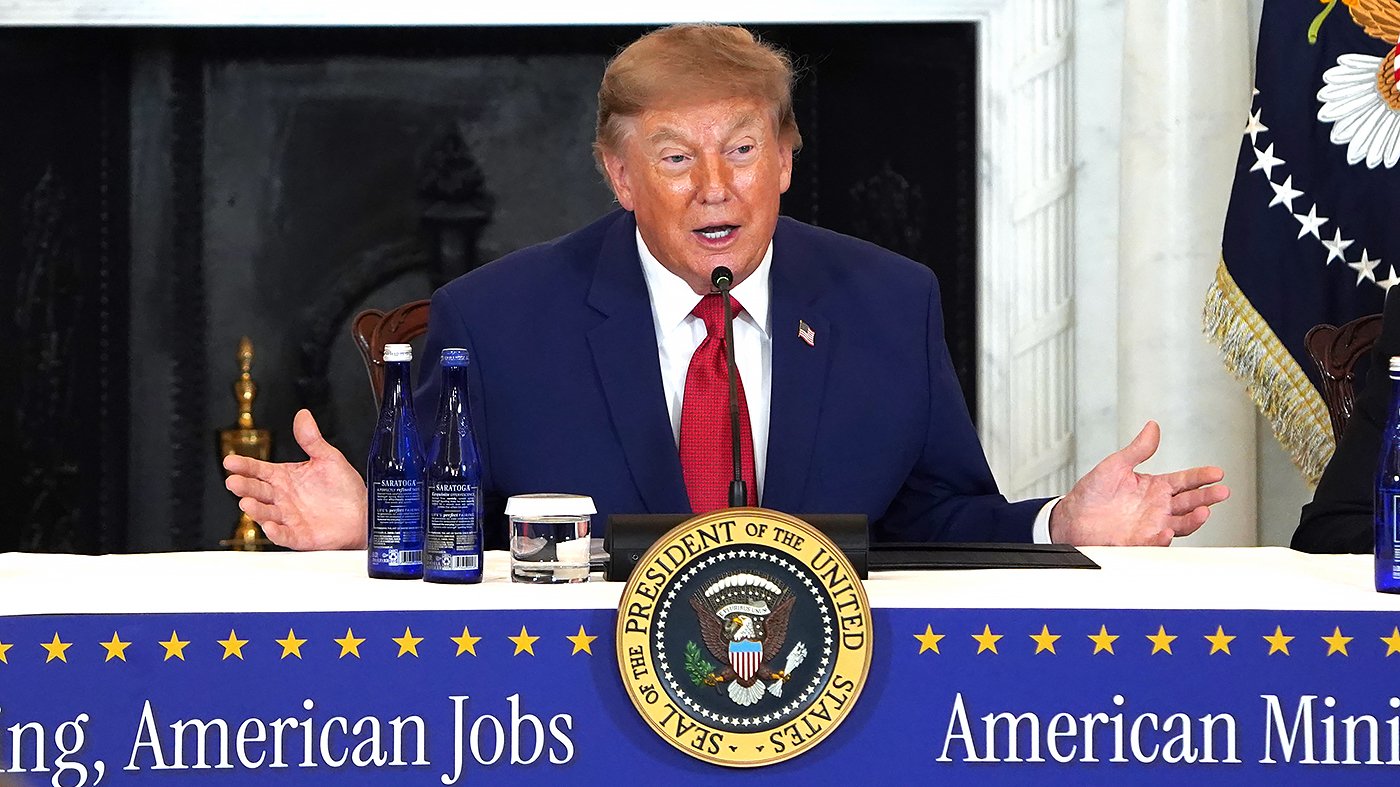
President Trump on Friday rolled out a sweeping package of mining-related investments and loan agreements, touting the moves as a way to supercharge the economy and reduce U.S. dependence on foreign suppliers. Speaking at a mining roundtable, Trump said the Defense Department will finalize a $1.4 billion loan with Sila Nanotechnologies to construct a battery manufacturing facility in Washington state, a project he framed as essential for national security.
In addition to the battery plant, the Pentagon is committing $400 million to accelerate scandium production in Australia—a metal Trump described as vital for aerospace and defense applications—and another $150 million toward a rare earth magnet facility in Minnesota. These funds are part of a broader administration effort to shore up critical mineral supply chains, which have become a focal point amid rising geopolitical tensions.
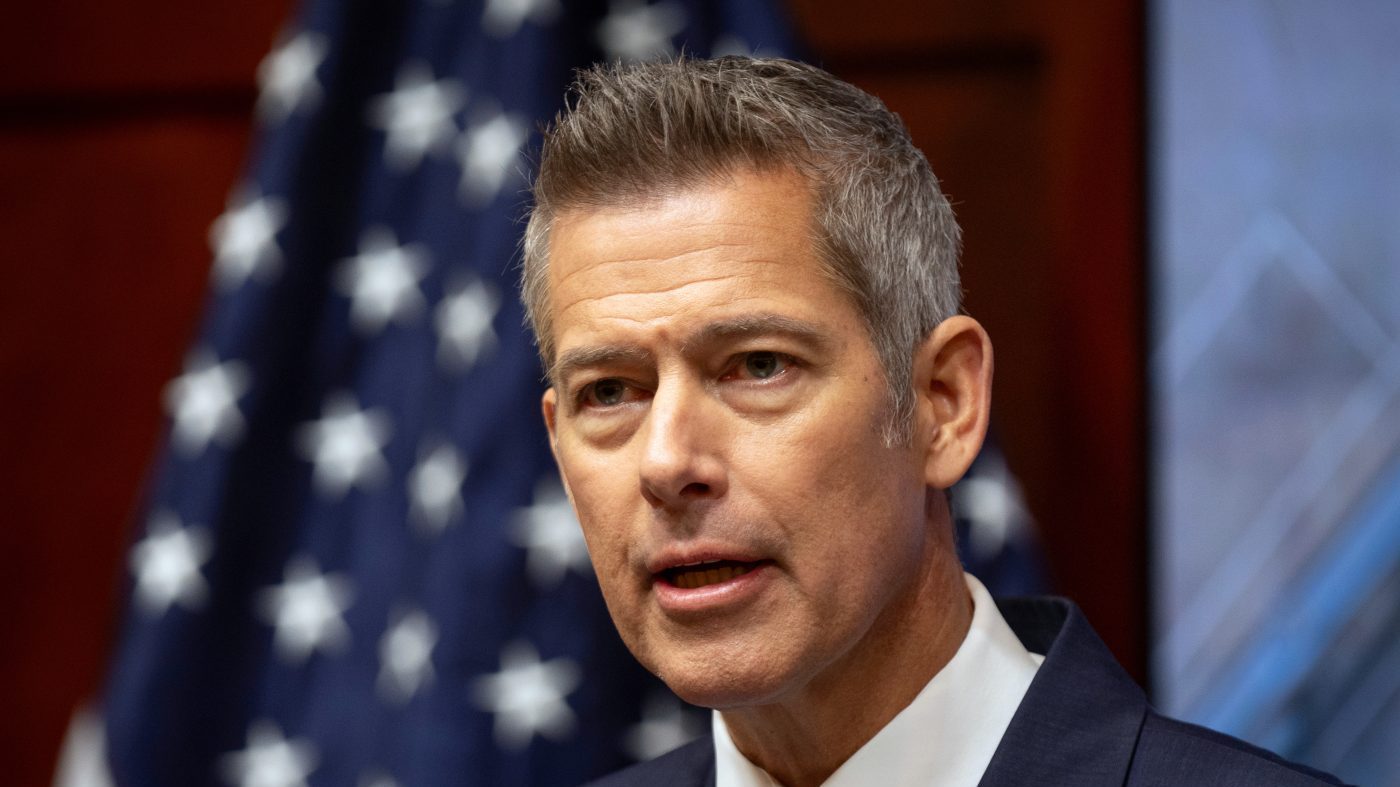
The Export-Import Bank is also stepping in, with Trump saying it is “working to provide” over $1 billion in financing for Ivanhoe Electric’s copper mine in Arizona. The bank is also expected to support a graphite project in Alabama and a boron facility in California, though specific amounts were not disclosed. Copper, graphite, and boron are all essential to a range of industries, from electronics to energy storage.
Trump further announced $100 million in grants for mining schools to “train the next generation of American miners,” a move he said would help revitalize the domestic workforce. “Together we’re reawakening the spirit of the Gold Rush,” Trump declared. “Very simply, we’re making mining great again.”
The flurry of announcements comes as China maintains a dominant position in global mineral supply chains, acting as a major miner, refiner, and trader of critical materials. These minerals are integral to technologies such as weapons systems, semiconductors, and renewable energy components, making supply chain security a top priority for policymakers.
Industry experts note that while the investments are significant, they represent only a fraction of what is needed to meaningfully reduce reliance on Chinese resources. The administration, however, argues that these deals are a first step in a long-term strategy to onshore production and processing.
The announcement also aligns with Trump’s broader political narrative of economic nationalism, a theme he has hammered on the campaign trail. Earlier related moves have included education grants for mining programs, underscoring the administration’s focus on workforce development.
Critics, meanwhile, question the timing and efficacy of the deals, pointing to ongoing trade tensions and the slow pace of permitting for new mines. But the administration remains bullish, with Trump framing the investments as a direct challenge to foreign adversaries. “We’re not going to let other countries control our future,” he said.
The package is part of a larger push that has seen the administration break with some GOP allies on energy infrastructure, though mining remains a rare area of bipartisan concern. As the 2024 election cycle heats up, Trump is likely to continue touting these deals as evidence of his commitment to American industrial strength.