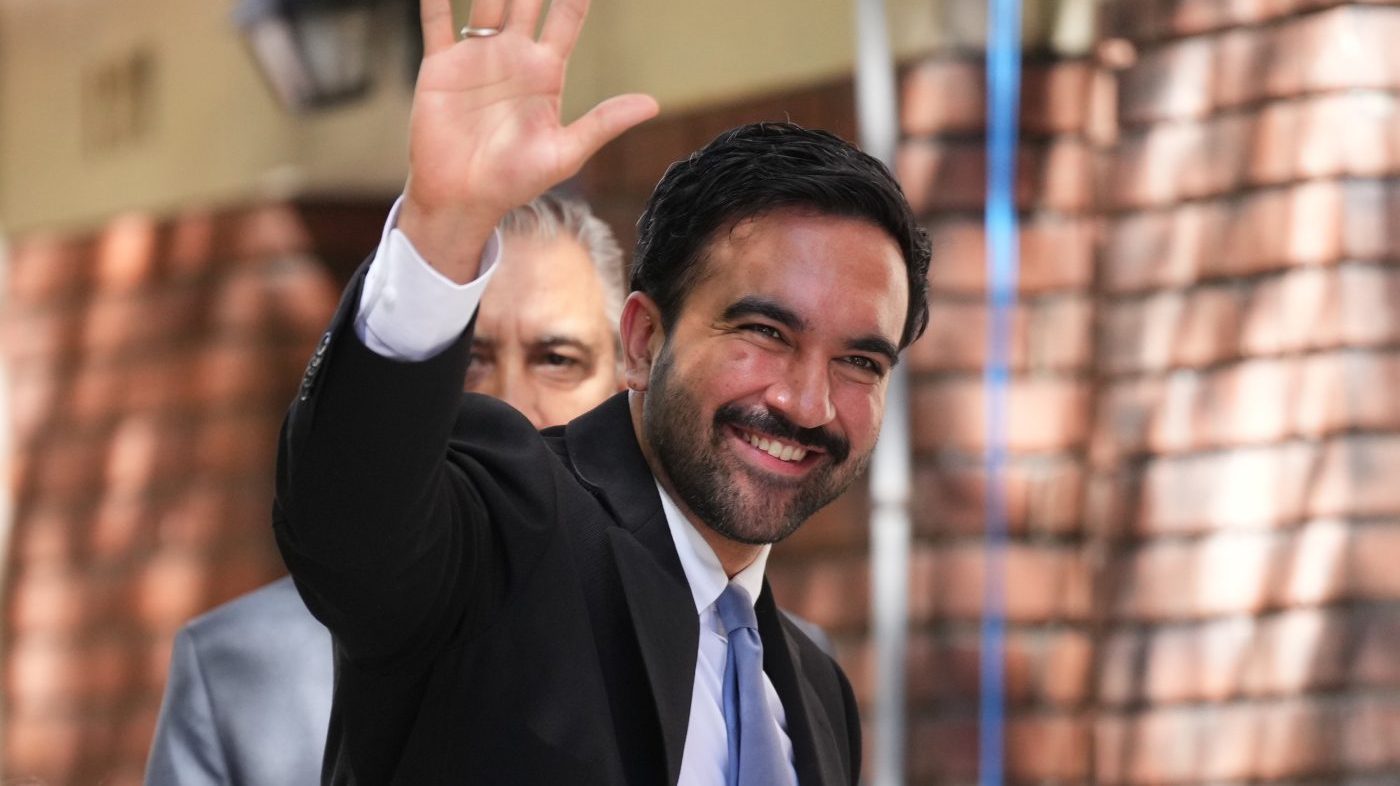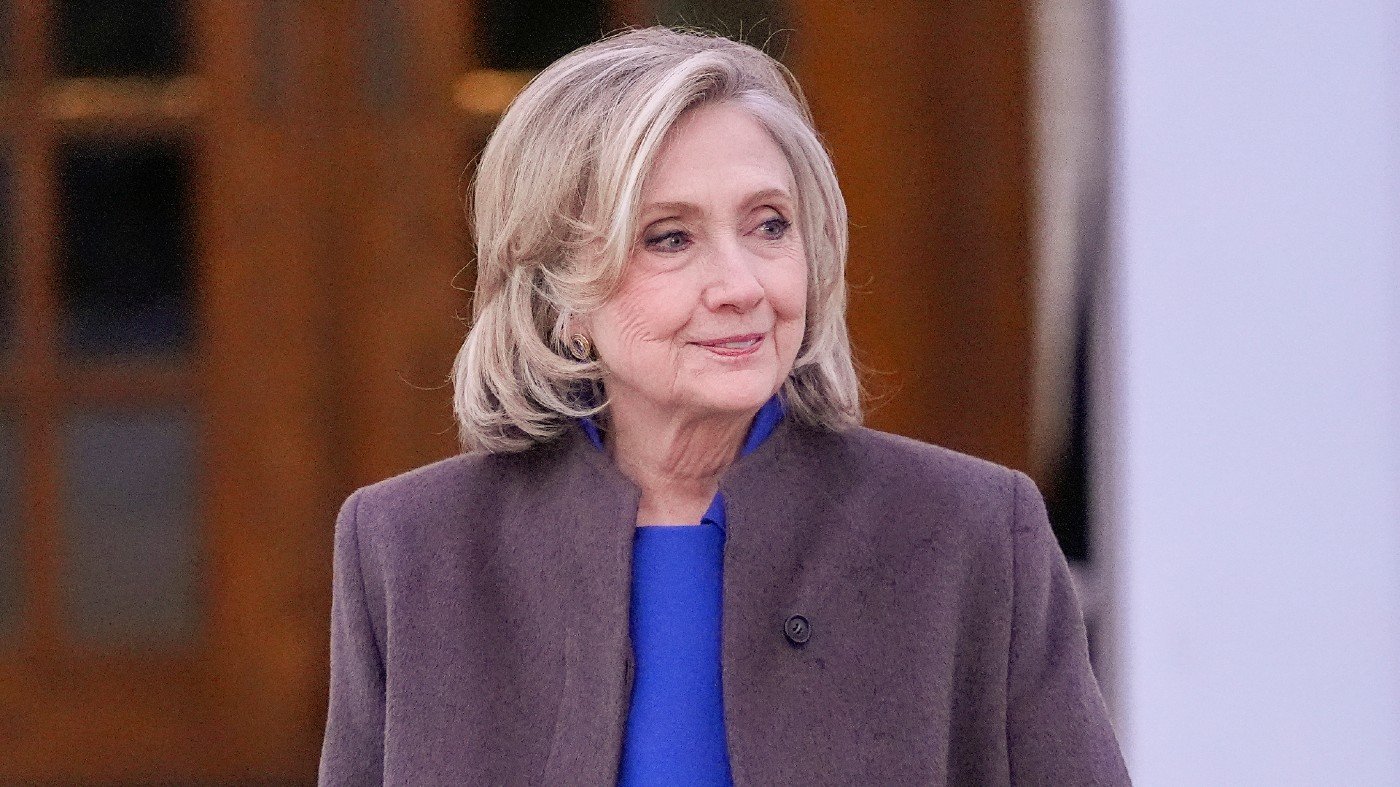
Former Secretary of State Hillary Clinton on Friday called on Democrats to rally behind their candidates, as the party grapples with growing friction between its establishment and progressive wings during this primary season. Speaking with journalist Kara Swisher, Clinton pointed to the tight victory of Abdul El-Sayed in Michigan's Senate primary as a sign that voters remain hesitant, a reluctance she said she personally encountered during her 2016 presidential run.
“I think there's no doubt that the Republican Party is the Trump Cult and the Democratic Party is a bigger tent,” Clinton told Swisher. “We do have a broad cross-section of people, what they believe, what their experiences are. I think that's an advantage, but we also have to win general elections.”
El-Sayed, a progressive candidate, edged out moderate Representative Haley Stevens in Tuesday's primary to replace retiring Senator Gary Peters. He will face Trump-backed former Representative Mike Rogers in November. The race highlighted divisions over U.S. policy toward Israel, with El-Sayed labeling Israel's actions in Gaza a “genocide” and criticizing Stevens's support from the American Israel Public Affairs Committee (AIPAC), a group increasingly contentious among Democrats.
Clinton stressed the need to bridge the gap between the party's factions. “The real fight will be how do we make sure that people who voted for Haley feel comfortable voting for Abdul El-Sayed, and how do we get Independents to feel comfortable,” she said.
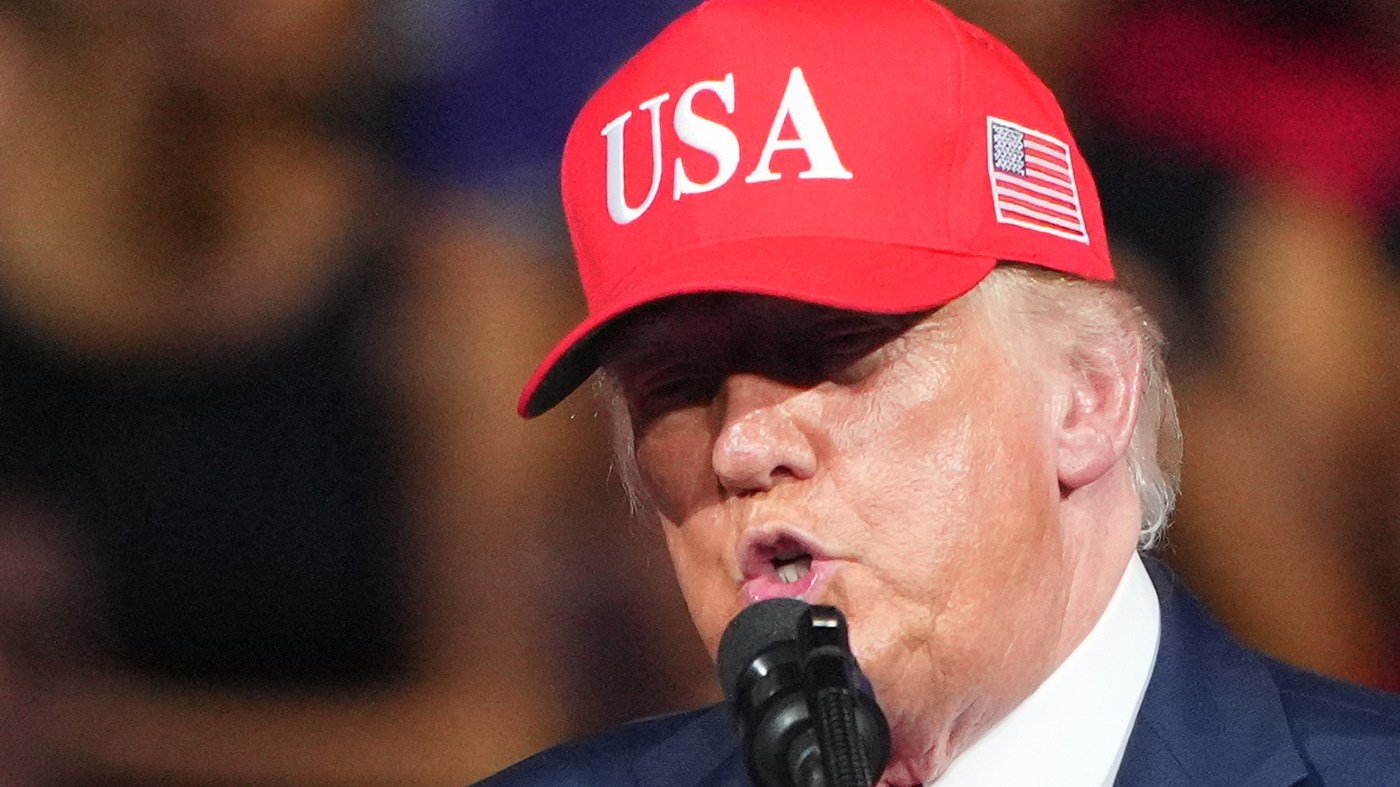
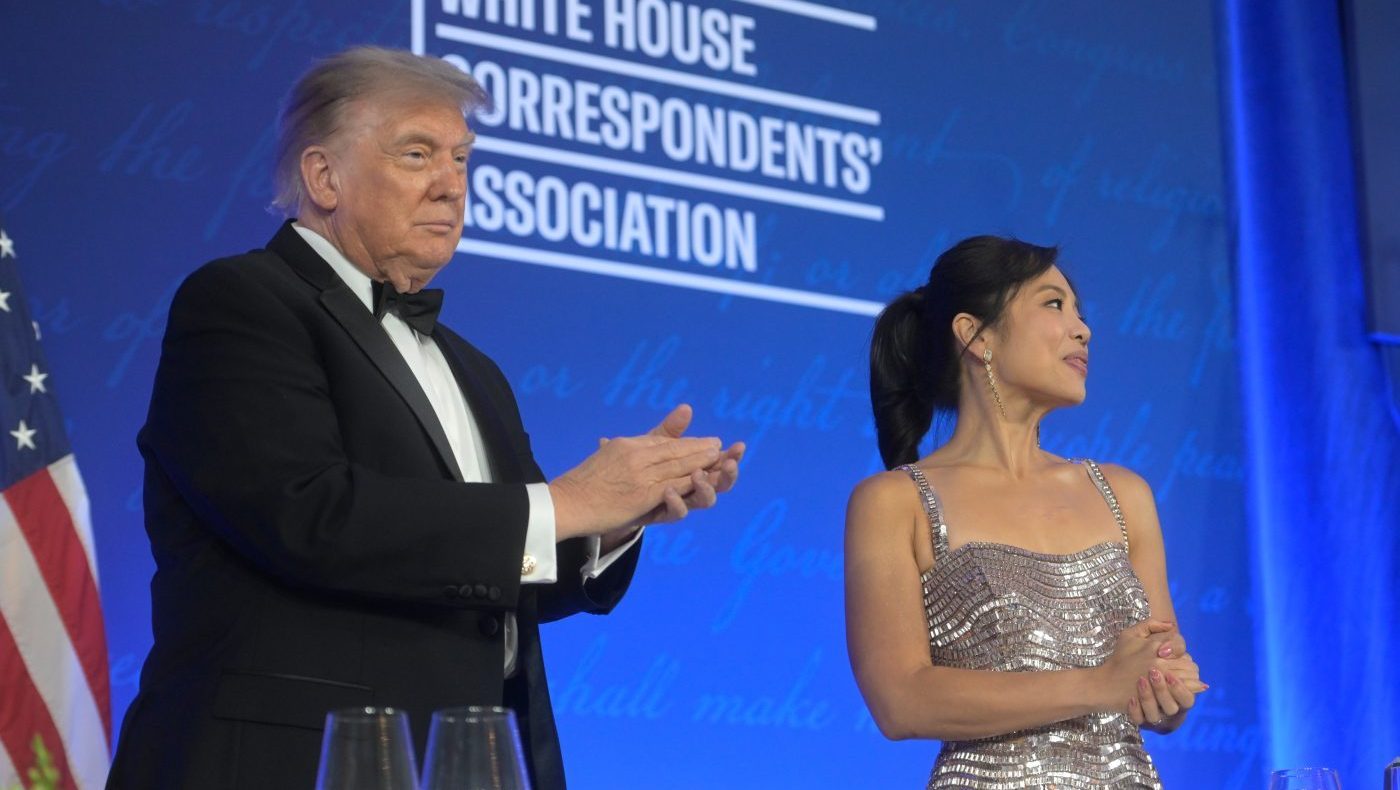
The former secretary of state also addressed President Trump's repeated attacks on El-Sayed, including a Truth Social post that called him a “Communist loser who hates Jews and Israel.” Trump has escalated his rhetoric against progressive candidates, and Clinton predicted that such framing would prove “very effective” for Republicans. Indeed, the GOP has already seized on the Democratic Socialist surge as a political weapon, a point echoed by strategist James Carville, who earlier this month called the progressive wave “insurgent.”
Carville's comments drew a sharp rebuke from Senator Bernie Sanders, who suggested the veteran strategist should “start his own party” if he opposes the direction of the Democratic Party. The infighting has become a central theme of the 2024 cycle, with figures like online influencers stoking the divide among younger voters.
El-Sayed, who has dismissed Trump's attacks, invited the president to “focus on what I'm saying” regarding policy, in an interview with CNN's Kaitlan Collins. His campaign has energized the left, but party leaders worry about alienating moderates. Democratic heavyweights have begun to consolidate behind El-Sayed, yet the path to unity remains uncertain.
Clinton's plea for unity comes as Democrats prepare for a challenging midterm landscape. With Republicans hammering progressive candidates as extremists and the party's own factions at odds, the former secretary of state's call for a “two-way street” underscores the high stakes. As she put it, “We have to win general elections.”