The Democratic Party's leftward lurch is accelerating, and Republicans are watching with barely concealed glee. What began as a long-shot presidential bid by Sen. Bernie Sanders in 2016 has blossomed into a full-scale takeover of the party's machinery by democratic socialists—a development that hands the GOP a fivefold political advantage.
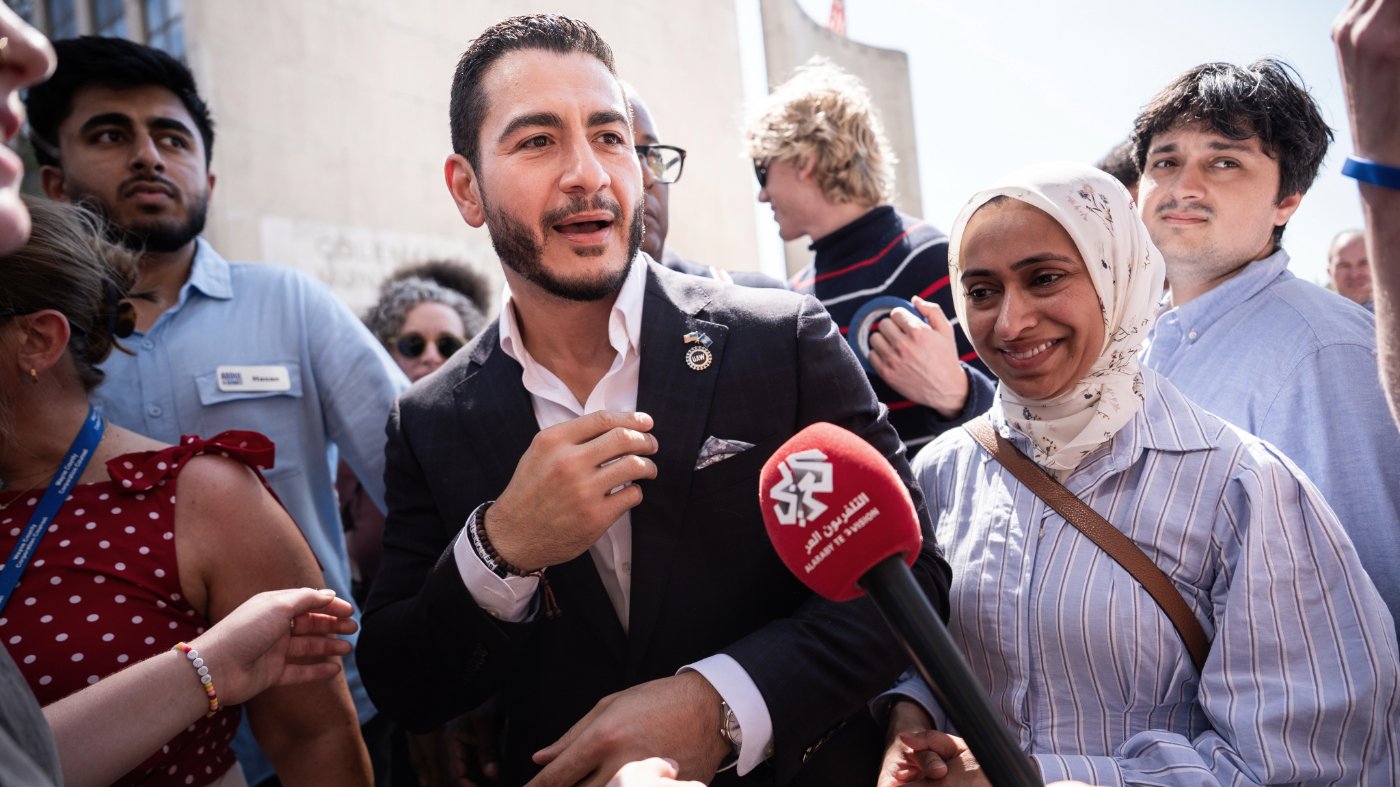
From the 2018 arrival of "the Squad"—including Reps. Alexandria Ocasio-Cortez and Rashida Tlaib—to the 2025 mayoral victories of Zohran Mamdani in New York City and Katie Wilson in Seattle, democratic socialists have moved from the fringe to the forefront. This week, Abdul El-Sayed won Michigan's Democratic Senate primary, and Donovan McKinney ousted incumbent Rep. Shri Thanedar in the state's 13th District. Progressive Will Lawrence took the nod in the 7th. More wins are expected, including Francesca Hong's gubernatorial bid in Wisconsin.
For Republicans, the benefits are clear. First, these primary battles are tearing the party apart. Previously, the Democratic Socialists of America (DSA) had no choice but to back moderate Democrats, because those were the only electable options. Now, with their own candidates, socialists can challenge the establishment—and both sides are left nursing wounds that don't heal quickly. As online political influencers like Hasan Piker stoke the infighting, the divisions only deepen.
Second, the financial toll is staggering. The Michigan Senate primary alone saw over $80 million spent, money that can't be used against Republicans in the general election. Every dollar burned in intraparty warfare is a dollar not available for competitive races.
Third, democratic socialist nominees are electoral liabilities. Gallup polling shows socialism has just 38% support among independents and a dismal 14% among Republicans. Even in safe blue districts, these candidates force the party to spend extra resources to win—resources that could go elsewhere. In more competitive seats, they risk handing the seat to the GOP.
Fourth, once in office, democratic socialists drag the entire Democratic caucus leftward. The Progressive Caucus has grown in influence, forcing votes on far-left positions that endanger moderate Democrats in swing districts. This leftward shift is now dominant, and it's a political liability.
Fifth, and perhaps most damaging, democratic socialist wins force the media to cover their extremism. Rep. Jasmine Crockett's controversial statements became so notorious that the party pushed James Talarico as an alternative in Texas's Senate race—though Talarico is just as far left, only less well-known. Once these figures are in office, their radical views become unavoidable news.
These five factors are not mutually exclusive; each democratic socialist candidacy combines several. The collateral damage to the Democratic Party is mounting, and the GOP is the beneficiary. As the party's leadership faces a recurring nightmare, Republicans are enjoying a gift that keeps on giving.