The Democratic Party has undergone a pronounced ideological transformation over the past decade, with self-described liberals now constituting a clear majority of its rank-and-file, according to a new Reuters/Ipsos survey released Tuesday. The poll, conducted ahead of Michigan's closely watched Democratic Senate primary, found that 71 percent of Democrats now label themselves as “liberal” — a significant jump from 55 percent in 2012. In contrast, the share of Democrats identifying as “conservative” has plummeted to 16 percent, down from 33 percent a decade ago.
This leftward drift is not merely cosmetic. The survey asked liberal Democrats to rank which policy positions they consider most essential, and the results underscore a clear progressive agenda. Topping the list was raising taxes on corporations and billionaires, cited by 76 percent of liberal Democrats as a must-have stance. Universal healthcare and expanding access to abortion followed closely behind, rounding out the top three priorities. These findings align with a broader pattern of primary victories by progressive candidates who have successfully challenged more centrist incumbents, signaling a fundamental shift in the party's internal power dynamics.
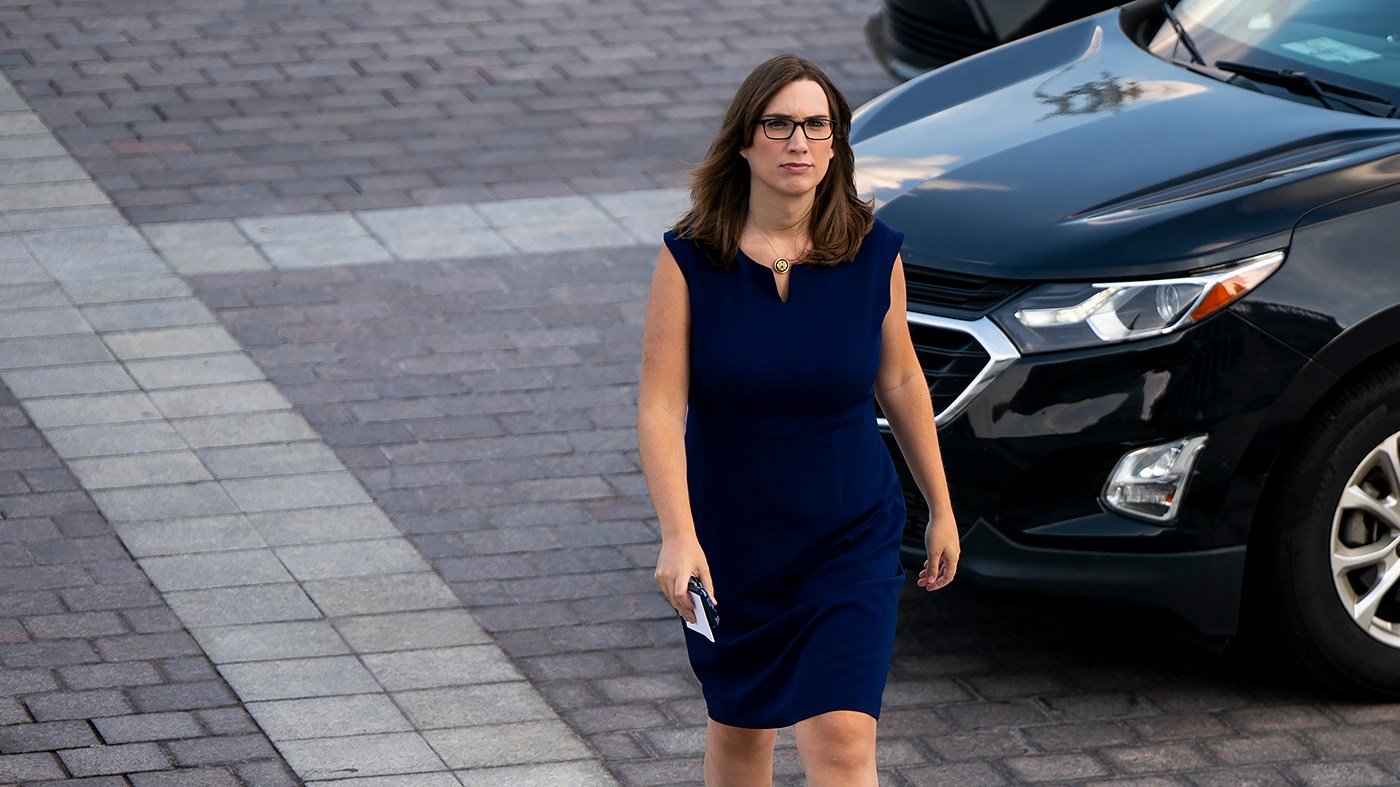
Nowhere is that tension more visible than in Michigan, where progressive challenger Abdul El-Sayed is taking on Representative Haley Stevens in the Democratic primary for the Senate seat being vacated by retiring Senator Gary Peters. The race has become a proxy battle for the party's future, testing whether the increasingly liberal base can propel left-wing candidates to victory in a critical battleground state. El-Sayed's campaign has leaned heavily into the issues that resonate most with the liberal wing, including Medicare for All and aggressive action on climate change, while Stevens has sought to position herself as a pragmatic legislator capable of winning general-election votes.
The poll also reveals that Republicans remain overwhelmingly conservative, though their policy priorities are less monolithic than those of their Democratic counterparts. Eighty-nine percent of Republicans identified as “conservative,” up slightly from 82 percent in 2012. Among conservative Republicans, reducing immigration was deemed essential by 56 percent, while 50 percent prioritized shrinking the size of the federal government. This fragmentation suggests that while the GOP is ideologically cohesive in self-identification, its agenda may be more diffuse, potentially complicating efforts to unify around a single platform.
The findings come amid ongoing debates within the Democratic Party about how far left it should move. Some prominent figures, like Senator Chris Van Hollen, have argued that the party should welcome socialists and other left-wing allies, pointing to the energy and organizational strength of groups like the Democratic Socialists of America. Others, however, have warned that an overly liberal stance could alienate moderate voters in swing districts, a concern echoed by critics like James Carville, who has been vocal in his skepticism of the party's direction. The Michigan primary will serve as a crucial test case for these competing visions.
For now, the data suggests that the liberal wing's influence is not just a passing trend but a structural reality. The Reuters/Ipsos poll surveyed 4,505 U.S. adults online over six days, ending Monday, with a margin of error of two percentage points for all respondents and three points for liberal Democrats and conservative Republicans. As the party gears up for the 2026 midterms and beyond, the question is no longer whether Democrats are becoming more liberal, but how far that shift will carry them—and whether it can translate into electoral success in the states that matter most.