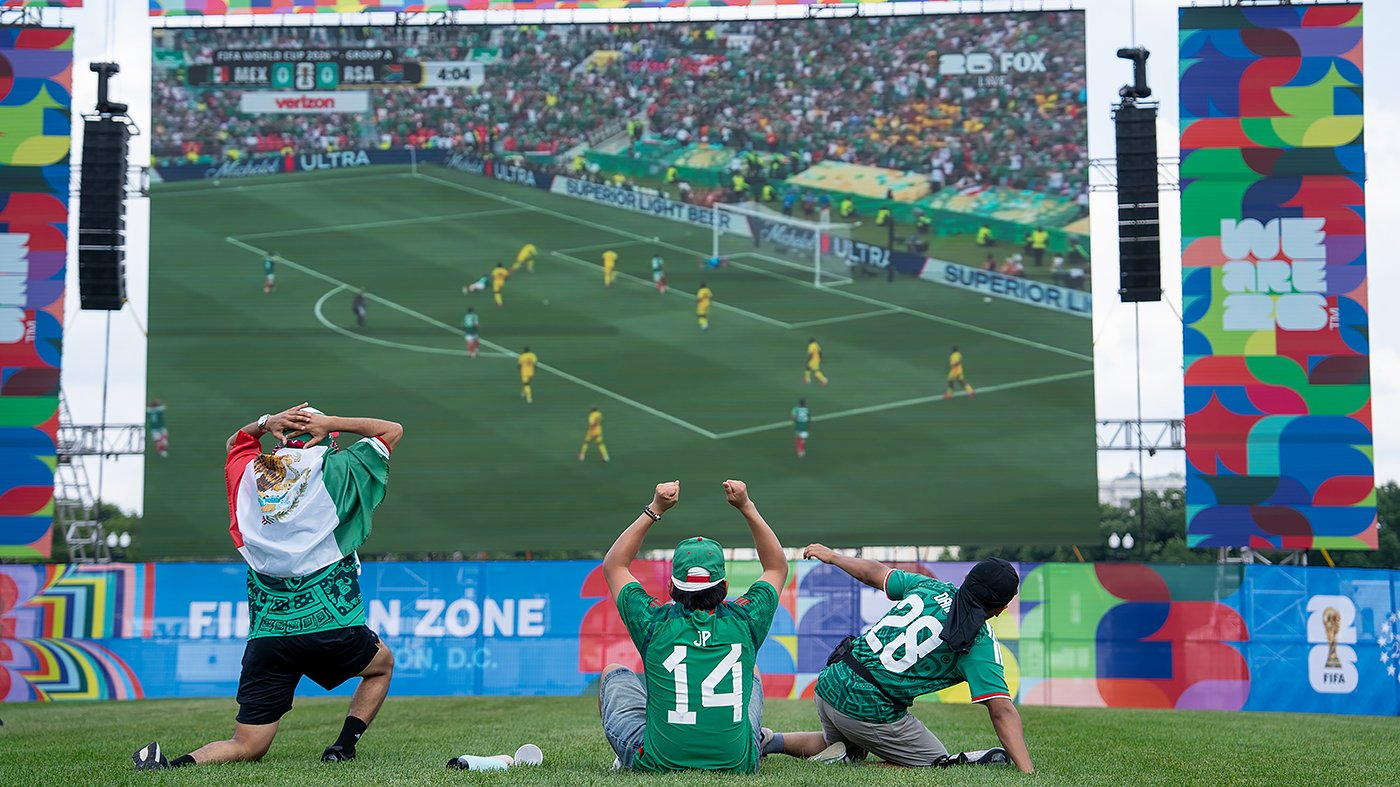
The first week of the 2026 FIFA World Cup has been anything but a pure sporting affair. Geopolitical tensions, the Trump administration's immigration crackdown, and a heated debate over new hydration breaks have all taken center stage, overshadowing the on-field action in what is shaping up to be a politically charged tournament.
The competition, hosted across North America for the first time in over two decades, has seen Iran's national team become an unexpected flashpoint. Hours after their opening draw, the Iranian squad was ordered to leave the United States, forcing them to train in Mexico. The move, which Iranian officials say could affect their performance, comes amid ongoing negotiations between the Trump administration and Tehran to end their conflict. Protests against the Iranian regime and the war have erupted outside matches, and some Iranian fans have complained that FIFA is not honoring tickets issued through their federation. A FIFA official told The Hill the organization is working with Iranian authorities to find solutions that maximize fan attendance.

President Trump's immigration agenda has also cast a long shadow over the tournament. Immigration and Customs Enforcement (ICE) agents have been spotted at matches, and the Department of Homeland Security (DHS) blocked a Somali referee from entering the country over alleged terrorist contacts. Critics, including some Democratic lawmakers, have voiced alarm over the presence of federal agents at sporting events. The administration has countered that legal attendees have nothing to fear. Meanwhile, visa delays have plagued fans and family members of foreign players, and soaring ticket prices have priced out many passionate supporters.
The commercial side of the World Cup has been equally intense. This year's tournament is projected to be the most profitable in FIFA's history, with blue-chip brands like Nike, Anheuser-Busch, and Adidas pouring millions into advertising. Fox is reporting blockbuster ratings, with Team USA's opener against Paraguay drawing over 27 million viewers. Many matches are being held in NFL stadiums, a sign of the league's dominance in the North American sports market. However, FIFA's ban on non-sponsor corporate names at venues has led to a study estimating that stadium naming-rights holders could lose up to $53.5 million in exposure.
Economic experts predict the World Cup will generate over $2 billion in economic activity and create tens of thousands of jobs in host cities like Los Angeles, Seattle, and Dallas. The tournament's financial impact is a key talking point for the Trump administration, which has touted the event as a boon for the U.S. economy.
On the pitch, a new rule has sparked controversy: mandatory hydration breaks at the midway point of each half. FIFA says the measure is for player safety, especially as temperatures have soared into the 90s in some host cities. But critics argue the stoppages can give struggling teams an unfair advantage, allowing coaches to huddle and adjust tactics. The breaks are held regardless of weather, even in indoor stadiums. Netherlands coach Ronald Koeman admitted, "You can use the break to tell the players what they need to improve... this is what we will be doing." Fox has also faced backlash for airing ads during these breaks, sometimes causing viewers to miss key moments of play. A FIFA official told The Hill the early hiccups are part of "everyone learning together."
The tournament's political undercurrents are likely to persist as the knockout rounds approach. The Iran situation remains volatile, and the immigration debate shows no signs of easing. For now, the World Cup is proving to be as much a stage for global politics as for football.