The killing of Héctor “El Niño” Guerrero, the alleged top leader of the Tren de Aragua gang, in Venezuela marks a sharp escalation in the U.S. anti-drug strategy—and a direct warning to Mexico, which has resisted similar operations on its soil.
President Trump celebrated the operation, calling it “a swift and lethal kinetic strike” against the leader of “one of the most bloodthirsty Terrorist Organizations on Planet Earth.” The strike was carried out in Venezuela’s mining region of Bolívar, where Guerrero had been hiding.
U.S. Secretary of Defense Pete Hegseth made clear that drug cartels will be treated as terrorist organizations under the newly formed Americas Counter Cartel Coalition, announced in March. “We’re forming it with partner governments all around Central and South America to go after, defeat, and destroy foreign terrorist organizations, drug cartels,” Hegseth said.
Drug Enforcement Administration head Terrance Cole called Guerrero’s death a significant setback for Tren de Aragua. “He believed he could escape the reach of law enforcement from a safe haven. He was wrong,” Cole said. “DEA and our partners will continue to aggressively pursue designated terrorist cartels and their leadership wherever they operate. No rank is beyond reach, no refuge is permanent, and no organization is beyond accountability.”
Sara Carter, director of the White House Office of National Drug Control Policy, warned that the Mexican government must cooperate or face consequences. “The Mexican government, like many of the governments in our hemisphere, know that President Trump means what he says,” she said. “If he says we are going after you if you don’t cooperate with us, we are going to target you, and you are going to regret it.”
But hardliners in Mexico’s ruling party are defiant. Sen. Gerardo Noroña said the U.S. can “make whatever lists they want,” adding, “we are not going to back down.” Critics argue that such rhetoric hides a pattern of protecting narco-politicians wanted by American justice.
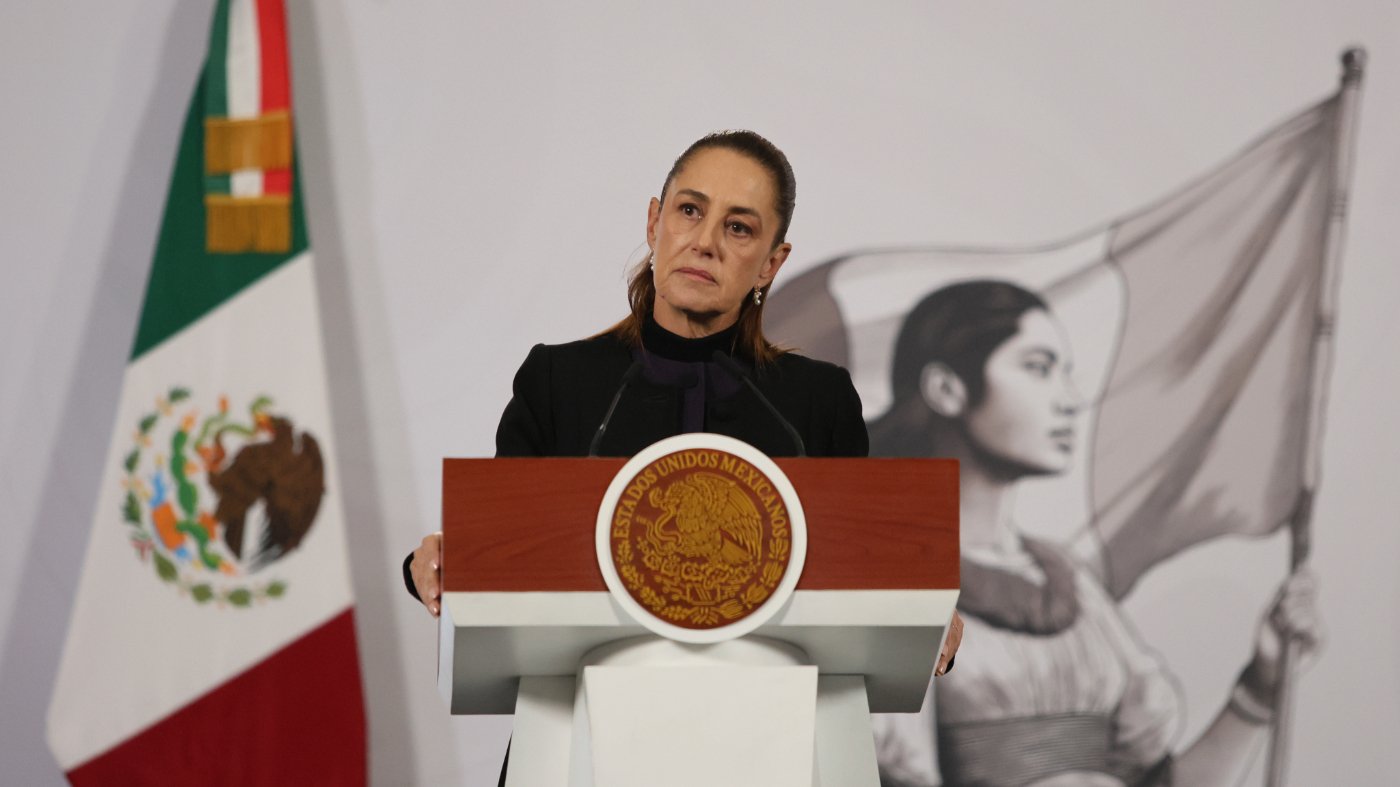
President Claudia Sheinbaum has escalated rhetoric against the U.S., insisting Mexico will work “in collaboration without subordination.” In a recent video call with Brazilian President Luiz Inácio Lula da Silva, both leaders rejected foreign interference. Meanwhile, Mexico defends officials like Gov. Rubén Rocha Moya, who has been implicated in wrongdoing. The bilateral relationship is fraying, and in May, S&P Global Ratings downgraded Mexico’s credit outlook to negative.
If Mexico continues on this path, it risks economic sanctions, lower foreign direct investment, higher borrowing costs, and job losses. But the most immediate danger is that the U.S. will take unilateral action against a problem Mexico is trying to ignore. As the elimination of the Tren de Aragua leader shows, security brings prosperity—and the U.S. is ready to act.
For more on the administration’s approach, see the House’s $70B border security bill sent to Trump after a dramatic vote. Meanwhile, the White House’s Justice Department is targeting disparate impact liability in a broader push against progressive policies.
Arturo McFields is an exiled journalist, former Nicaraguan ambassador to the Organization of American States, and a former member of the Norwegian Peace Corps.