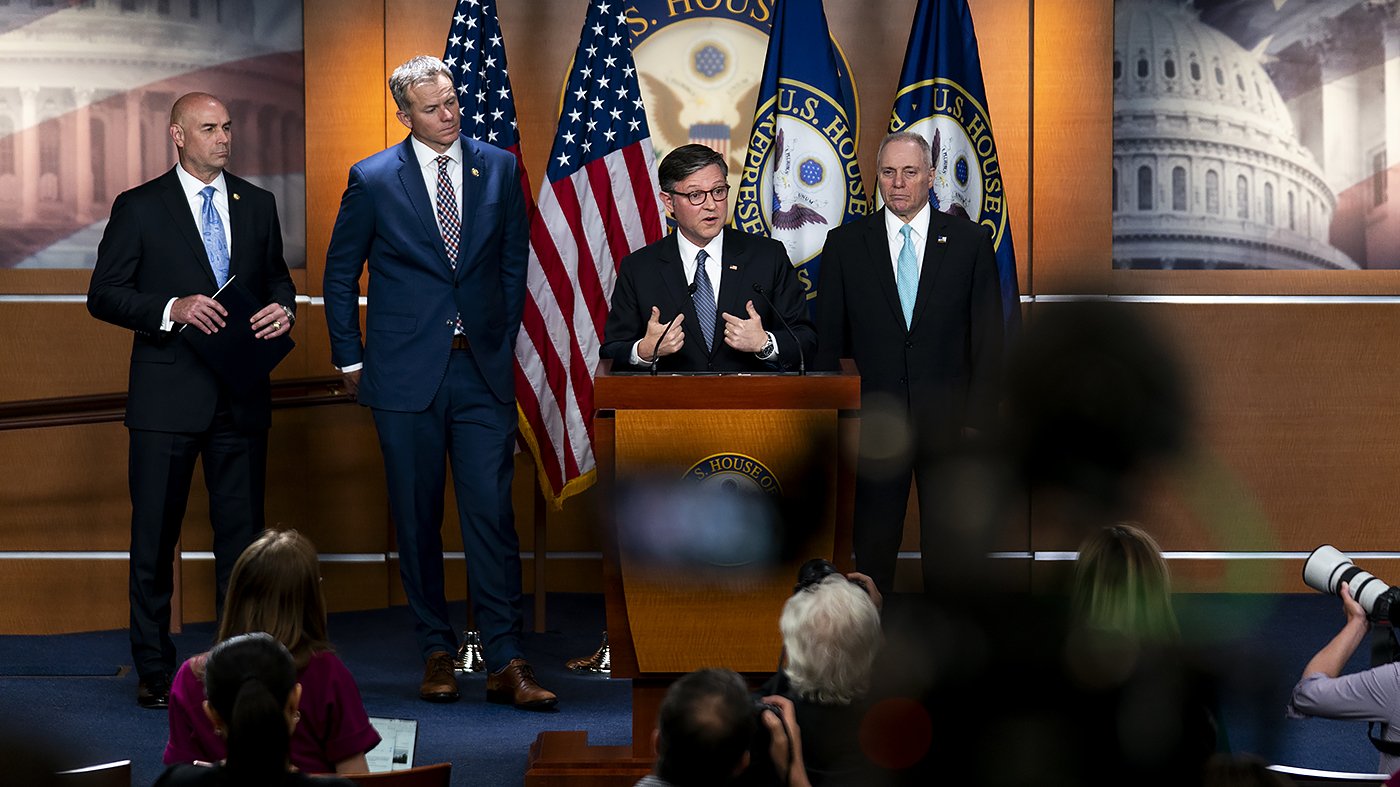
House Republicans on Tuesday passed a budget reconciliation package worth nearly $70 billion to fund Immigration and Customs Enforcement (ICE) and Border Patrol, handing President Trump a key legislative victory after weeks of Senate delays. The bill passed 214-212, with Rep. Kevin Kiley (I-Calif.) joining all Democrats in opposition.
The vote was nearly derailed when Rep. Tim Walberg (R-Mich.) initially voted no, creating a 213-213 tie that would have killed the measure. House Majority Leader Steve Scalise (R-La.) and Appropriations Chair Tom Cole (R-Okla.) huddled with Walberg on the floor, convincing him to switch his vote and secure passage.
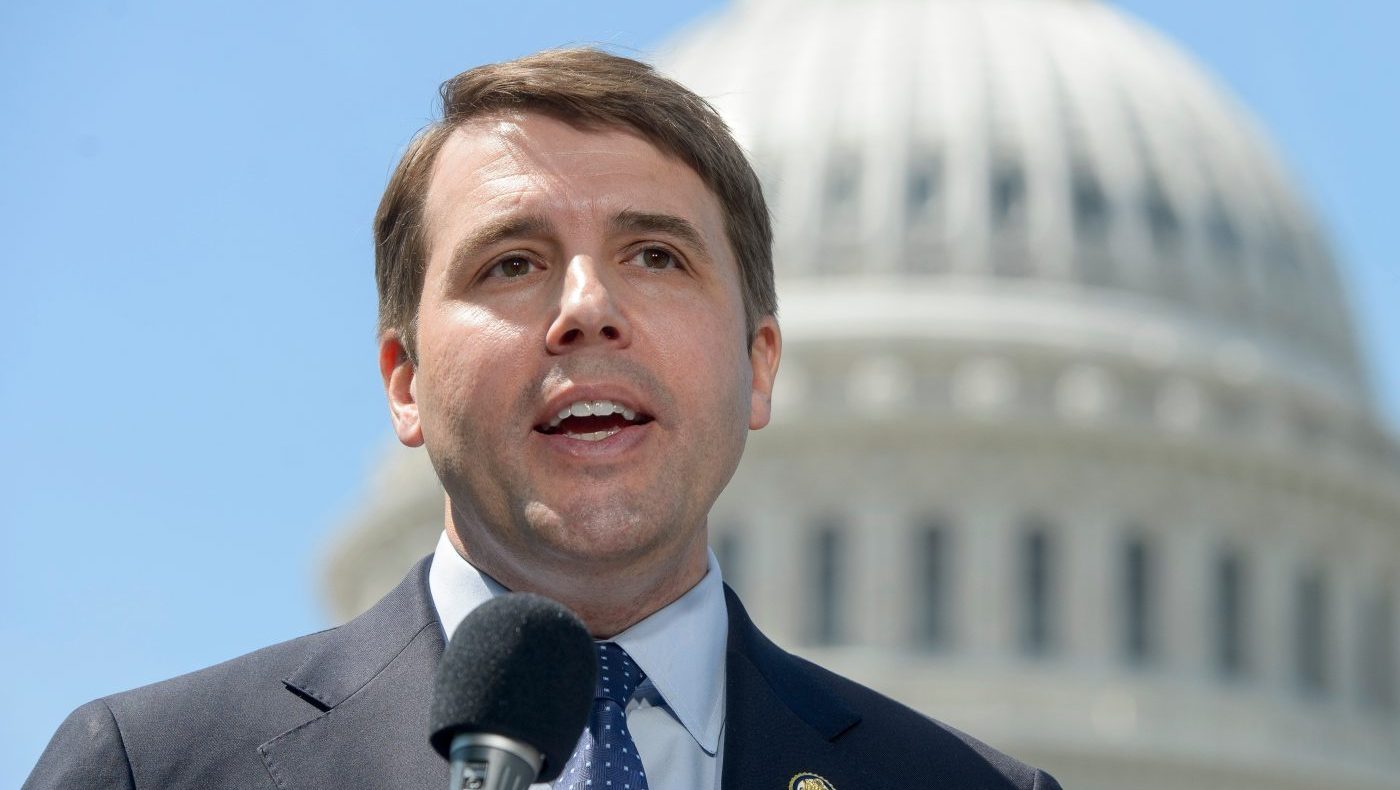
Kiley, an independent who caucuses with Republicans, had warned beforehand he would vote no because the bill lacked reforms to interior immigration enforcement. “I would need to see bipartisan reforms to interior immigration enforcement, which I think have strong bipartisan support – I think are supported by the vast majority of Americans,” he told reporters.
Republicans used the reconciliation process to bypass the Senate filibuster, after talks with Democrats on immigration enforcement reforms collapsed. This marks the second reconciliation bill of Trump’s second term, following the One Big Beautiful Bill Act that extended his tax cuts last year.
The package, originally envisioned as a “skinny” bill to reach Trump’s desk quickly by his June 1 deadline, instead became a flashpoint for tensions between Senate Republicans and the president. Trump’s demand for $1 billion in security funding for his White House ballroom drew bipartisan criticism before the parliamentarian ruled it out of compliance with reconciliation rules.
An uproar over Trump’s so-called anti-weaponization fund forced Senate GOP leaders to send lawmakers home for Memorial Day recess without a vote. Acting Attorney General Todd Blanche later told lawmakers the Justice Department would not pursue the fund amid GOP pushback, though Trump dismissed those remarks, calling the fund “a beautiful thing.”
The Senate’s 18-hour vote-a-rama featured amendments on the anti-weaponization fund, ballroom funding, and other divisive issues, with the package ultimately passing 52-47. House drama also unfolded: the rule vote appeared in jeopardy when Reps. Chip Roy (R-Texas) and Tim Burchett (R-Tenn.) initially voted no, but both flipped after securing commitments to codify more border policies.
The bill now heads to Trump’s desk, where he is expected to sign it into law. The vote caps a turbulent month on Capitol Hill, with the package emerging as a test of Republican unity on immigration enforcement.