The Trump administration's immigration enforcement policies are colliding with a chronically underfunded and inefficient visa processing system, turning routine paperwork into a pathway to detention and deportation. A case in point is Galina Bobreneva, a married immigrant who applied for a green card through her U.S. citizen husband—a Trump supporter—in December 2025. She followed all the rules, but in July, ICE agents detained her for 16 days, releasing her only after she posted a $35,000 bond. Her green card application remains pending.
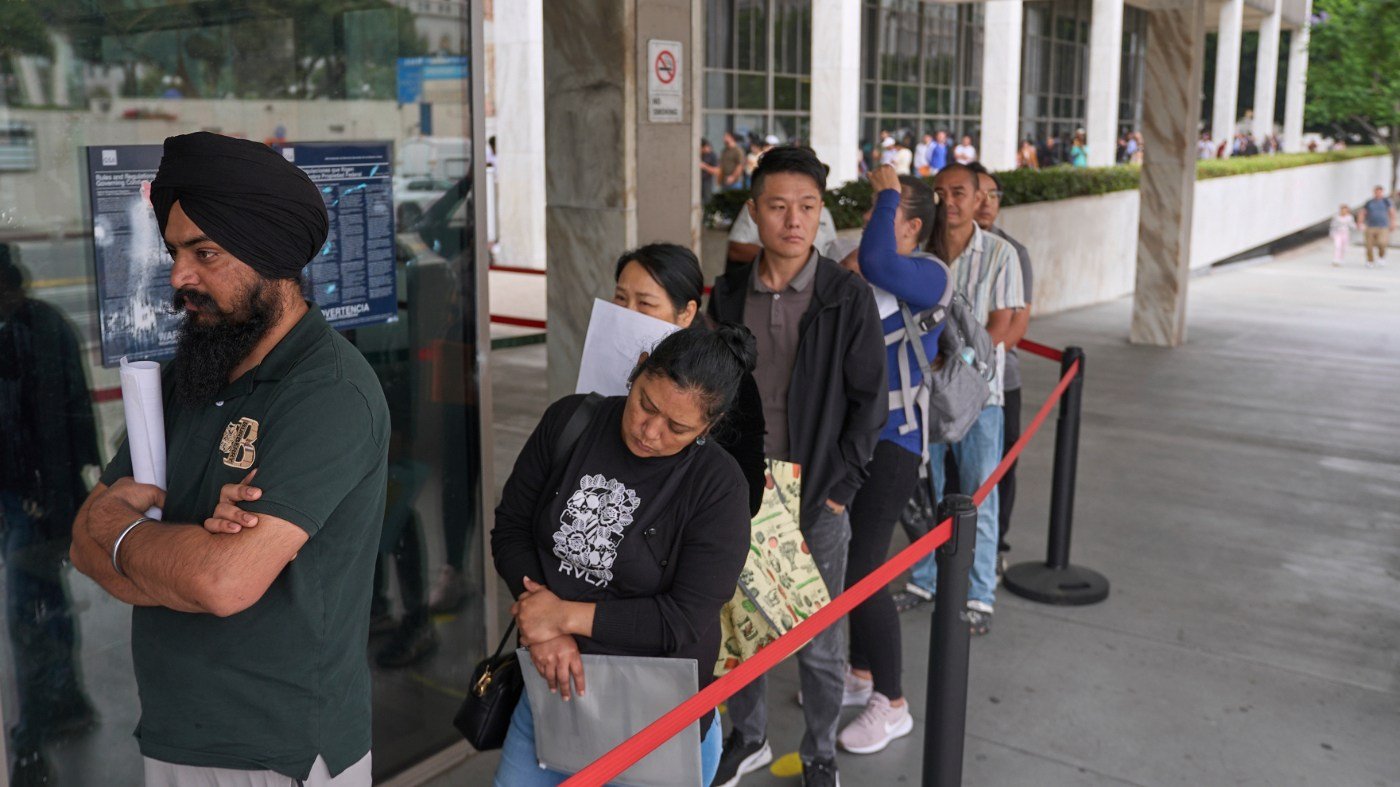
Bobreneva's ordeal is not an isolated incident. It reflects a systemic failure where a government slow to approve paperwork is now fast to detain the people waiting on it. According to USCIS's own website, field offices now take nearly seven years to decide a green card petition filed by a citizen for a spouse, parent, or child under 21. A citizen filing today might not see a decision until 2033. Over 572,000 such petitions are pending, and green card holders petitioning for adult children face waits exceeding 15 years, before even accounting for consular appointment scheduling.
The delays extend far beyond family-based cases. By July, USCIS had a record 12.8 million pending cases. Investor visa applicants wait 36 months, and some work permit applicants face 16-month delays. Over the past 18 months, processing times increased in 14 of the agency's 17 categories.
For many immigrants, the wait is more than an inconvenience—it's a legal hazard. USCIS ended the automatic 540-day work permit extension for renewals filed after October 30, 2025. As of June 30, over 432,000 renewal applications had been pending for at least six months, with more than 91,000 pending for over 18 months. These applicants risk losing their work authorization and lawful status, even though they complied with all requirements.
Filing an application does not confer legal status, as the agency itself acknowledges. Pending applicants have been arrested at USCIS appointments they were required to attend. A Peruvian man was detained at a marriage-based green card interview, and a 60-year-old woman who had lived in the U.S. for over 30 years was taken into custody at a biometric appointment linked to her pending application.
Four drivers behind the growing backlog
Several forces are at play. First, USCIS has reassigned officers from adjudicating petitions to investigating alleged fraud, including in previously approved cases. This has left fewer officers to process pending applications, creating a resource imbalance.
Second, USCIS has stopped giving deference to its own prior approvals. Routine extensions that once moved quickly now require fresh scrutiny, slowing the entire system.
Third, experienced adjudicators were fired or took early retirement as part of the Department of Government Efficiency's cost-cutting efforts.
Fourth, the slowdown serves the administration's goal of curbing legal immigration, while also expanding the pool of individuals eligible for ICE detention and deportation. Delay effectively converts the paperwork process into an enforcement pipeline.
Imagine if the IRS took four years to issue refunds, or if retirees waited a decade for Social Security checks. Americans would be outraged, and Congress would act. Immigration delays deserve the same outrage, especially since U.S. citizens are among the harmed—spouses separated for years, employers losing workers, and families living in limbo.
Congress has options. It can hold oversight hearings to identify bottlenecks, set statutory deadlines for petition decisions, and redirect a portion of the tens of billions of dollars allocated to ICE to USCIS, which is largely fee-funded and has little hiring flexibility.
No one should lose the right to live and work in this country because the government failed to do its own job in a timely fashion. A nation that prides itself on the rule of law should not punish people for waiting patiently in the line it built.