In a landmark diplomatic encounter, high-level delegations from the United States and Iran convened in Islamabad this weekend for their first direct, senior-level talks since the 1979 Iranian Revolution. The meeting, mediated by Pakistani Prime Minister Shehbaz Sharif, comes just days after the announcement of a temporary ceasefire in the broader Middle East conflict, a truce that is already showing significant cracks.
A Fragile Framework for Negotiation
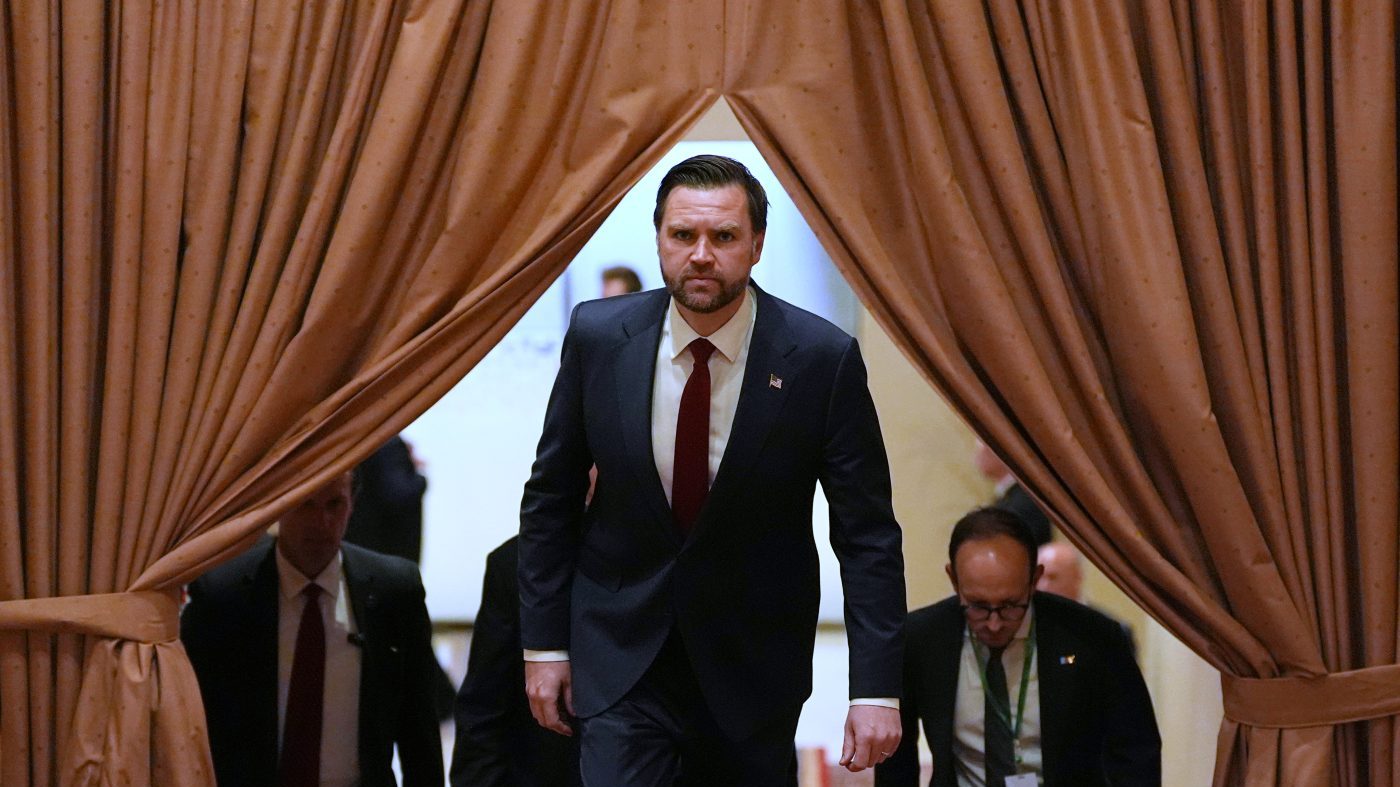
The American delegation, led by Vice President JD Vance and including special envoy Steve Witkoff and senior advisor Jared Kushner, arrived Saturday. They met with an Iranian team headed by Parliament Speaker Mohammad Bagher Qalibaf and Foreign Minister Abbas Araghchi. The immediate agenda focused on shoring up the two-week ceasefire declared by President Trump, who had threatened devastating strikes on Iranian civilian infrastructure if no deal was reached.
President Trump framed the pause as a move following achieved military objectives and progress toward a "definitive Agreement concerning Longterm PEACE." However, the ceasefire's stability was immediately thrown into question when Israel launched a large-scale attack against Hezbollah targets in Lebanon, killing hundreds. The incident exposed a critical rift: the U.S. and Israel maintain Lebanon was not covered by the pause, while Iran and Pakistan insist it was.
Core Demands and Regional Flashpoints
The talks aim to bridge fundamentally different conditions set by each side for a lasting end to hostilities. Iran demands a halt to fighting in Lebanon and the release of its sanctioned assets before substantive negotiations can proceed. The United States is pressing Tehran to reopen the strategically vital Strait of Hormuz and accept limits on its nuclear and ballistic missile programs.
The closure of the Strait by Iran has choked global energy shipments, sending oil and gas prices soaring and injecting severe uncertainty into the world economy. In a related development, U.S. Central Command announced it had begun operations to de-mine the waterway. The economic fallout has sparked political warnings, with Senator Rand Paul (R-Ky.) cautioning that sustained high oil prices could trigger "mass fear and hysteria" among Republicans ahead of the midterm elections.
Political Pressure and Legal Concerns
President Trump's pre-ceasefire threat to destroy Iranian civilian infrastructure drew bipartisan condemnation and accusations of threatening war crimes. Senator Ron Johnson (R-Wis.), while supportive of curbing Iran's capabilities, publicly hoped the president's rhetoric was "bluster," stating, "We are not at war with the Iranian people." Johnson is expected to address this break with the administration during a scheduled appearance on ABC's "This Week."
Meanwhile, some Democratic lawmakers have called for Trump's removal from office, highlighting the domestic political challenges surrounding his Iran policy. Vice President Vance, speaking from Islamabad, struck a cautiously optimistic but firm tone, stating the U.S. delegation had "pretty clear guidelines" and was willing to negotiate in good faith but would not be played.
An Uncertain Path Forward
The situation in Lebanon has emerged as a major sticking point, with Israeli Prime Minister Benjamin Netanyahu announcing direct negotiations with the Lebanese government under U.S. pressure. The interconnected nature of the demands—linking the Strait of Hormuz, Lebanon, nuclear limits, and sanctions—illustrates the complexity of achieving a durable agreement. As these historic but tense talks continue in Pakistan, the shadow of renewed conflict looms, dependent on whether the two adversaries can find a diplomatic off-ramp from a crisis that has already reshaped the region.