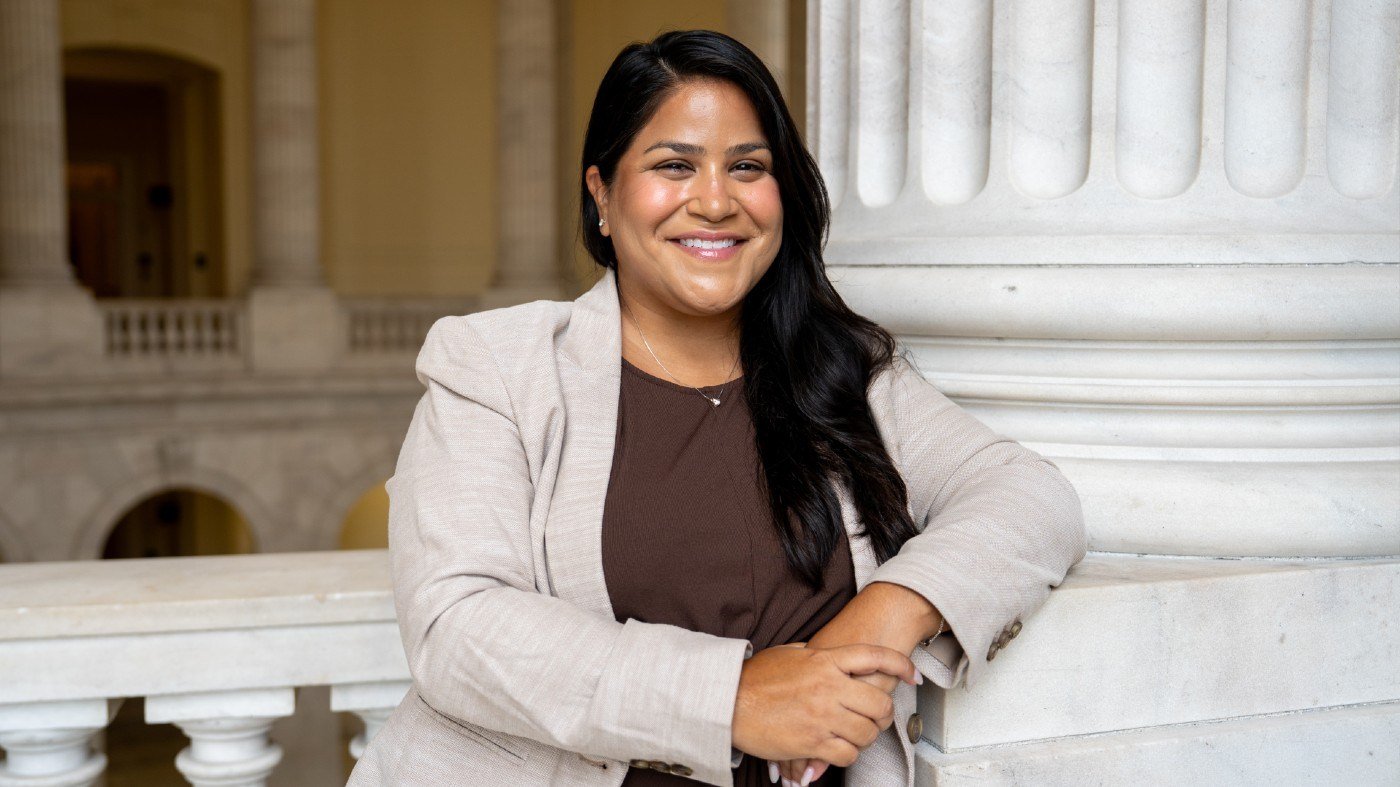
When Dr. Liberty Vittert Capito told her father she had joined a new White House advisory council on unidentified anomalous phenomena, his response was blunt: “Are you nuts?” But the Washington University statistician says the work is anything but frivolous—it's a matter of national security and scientific credibility.
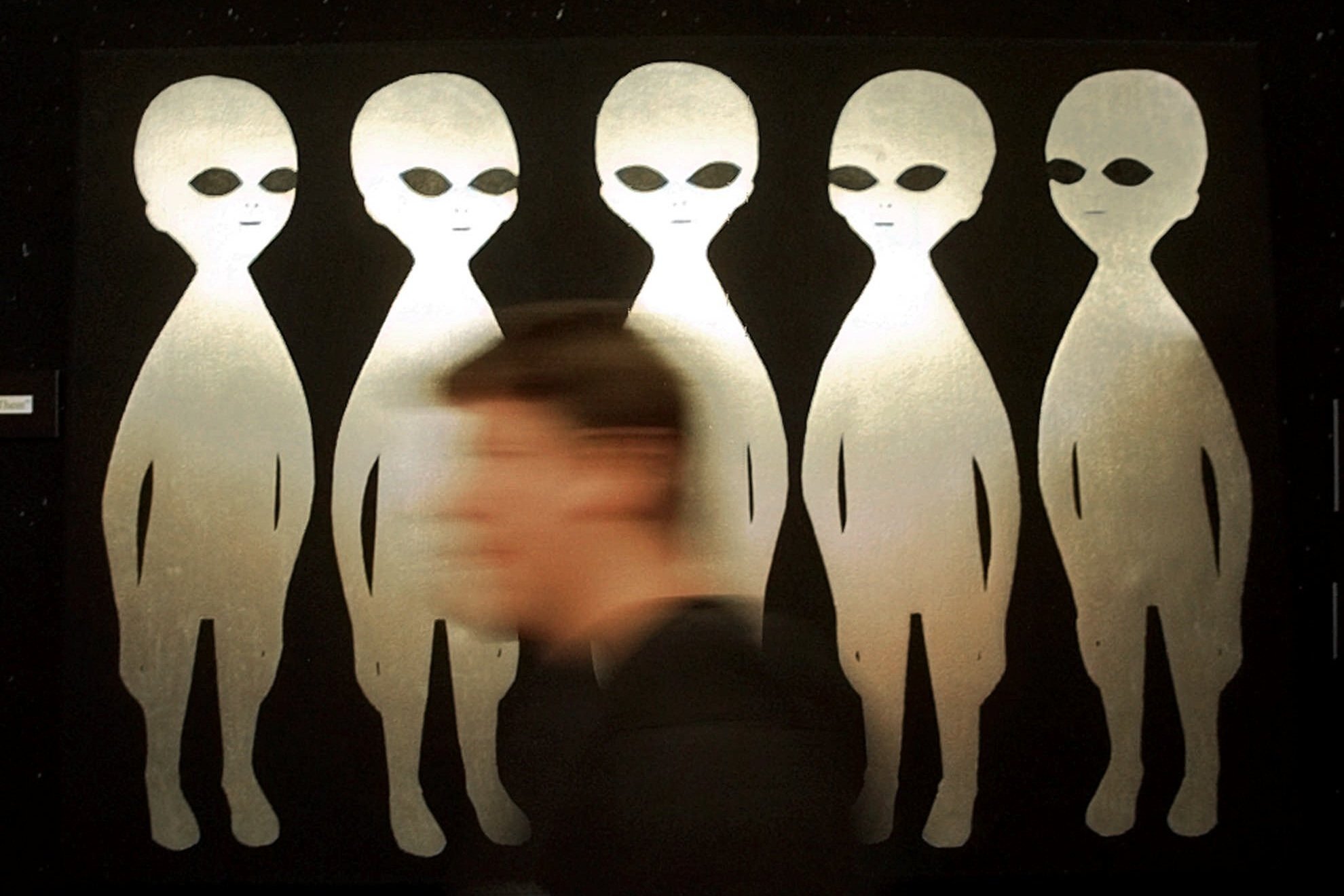
The council, formally known as the UAP Science Advisory Council, was created at the direction of President Trump and is led by Harvard physicist Avi Loeb. It brings together the Pentagon, the Office of the Director of National Intelligence, the FBI, and the broader intelligence community to examine what the military now calls UAPs—objects in the sky that defy easy identification.
Three Big Questions
Capito frames the council's mission around three questions. First, does life exist beyond Earth? She puts the odds at “nearly 100 percent.” Second, is any of that life as intelligent as humans? She estimates about 60 percent. Those numbers, she says, come from basic probability: with an estimated 300 sextillion planets in the universe, even a tiny chance of Earth-like conditions repeating means countless worlds could harbor intelligence.
The third question—have aliens visited us?—she dismisses with a near-zero probability. But that doesn't make the council pointless. “Unidentified means just what it sounds like,” she argues. When pilots or sensors spot glowing orbs that maneuver in ways no known aircraft can, the priority is figuring out what they are. If they're not extraterrestrial, they could be a rival nation's advanced technology—a direct threat to U.S. security.
Terrestrial and Extraterrestrial Explanations
Capito notes that humanity itself has littered space with debris, from a Tesla roadster to a tool bag dropped by a NASA astronaut during a spacewalk. It's plausible, she says, that alien civilizations could have done the same—meaning some piece of off-world technology might drift into our atmosphere even if no living beings come with it.
The council has drawn skepticism from academics who see it as fringe science. But Capito points to history: Galileo faced heresy charges for suggesting Earth orbited the sun. Unconventional ideas, she insists, have often driven scientific progress.
Restoring Trust in Science
Public trust in science is at historic lows, partly due to scientists' own missteps during the COVID-19 pandemic. Capito believes a council that includes true believers and hardcore skeptics—like the publisher of Skeptic magazine—demonstrates that science is about testing beliefs, not defending them. “This is how we decide those beliefs are sound,” she says.
Whether the council yields definitive answers or simply more questions, Capito argues that studying the unknown is a necessary part of both national defense and the pursuit of knowledge. As the Pentagon continues to release previously classified UAP footage, the political and scientific stakes are only growing.