Security Checkpoints Grind Toward Standstill
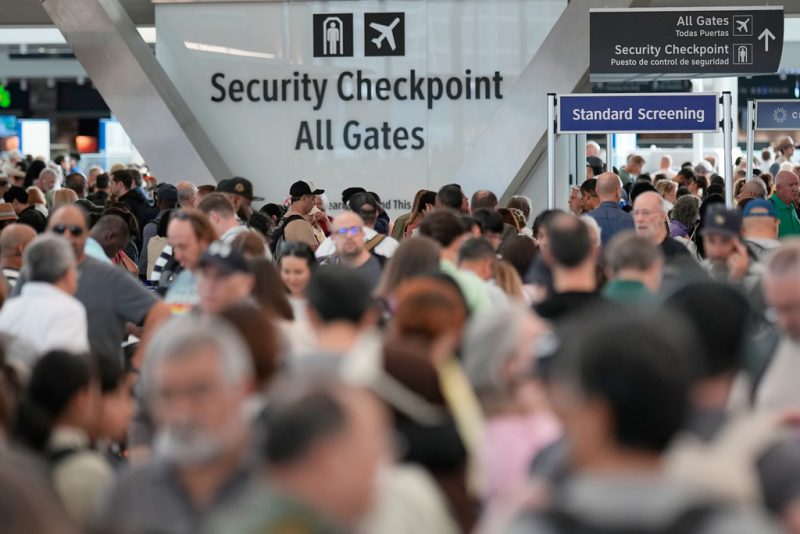
The nation's airport security system is buckling under the strain of the ongoing partial government shutdown, with Transportation Security Administration officials warning Wednesday that passenger wait times have reached unprecedented levels. The agency's acting administrator, Ha Nguyen McNeill, delivered a stark assessment to a House Homeland Security Committee hearing, indicating the situation has become so severe that the TSA may be forced to temporarily shutter operations at certain airports.
McNeill testified that multiple major U.S. airports are experiencing Transportation Security Officer callout rates exceeding 40 percent, as thousands of federal employees, working without pay since the shutdown began, face mounting financial pressures. This critical staffing crisis has forced the consolidation of security lanes at numerous facilities, creating bottlenecks that ripple through the national air travel network.
‘A Fluid, Challenging and Unpredictable Situation’
"We are being forced to consolidate lanes and may have to close smaller airports if we do not have enough officers," McNeill told lawmakers. She described the operational environment as "a fluid, challenging and unpredictable situation," underscoring the day-to-day instability facing the agency responsible for screening approximately 2.5 million passengers daily.
The testimony highlights the escalating real-world consequences of the political impasse over border wall funding, which has now resulted in the longest government shutdown in U.S. history. The failure to reach a Department of Homeland Security funding agreement has left TSA officers, along with hundreds of thousands of other federal workers, without a paycheck for over a month.
In response to the deteriorating security posture, the administration has deployed Immigration and Customs Enforcement officers to assist at some airports, a move that has sparked significant controversy. Union leaders representing TSA officers have criticized this deployment as an ineffective distraction that does not address the core problem of unpaid essential personnel.
The breakdown in standard security operations is also driving more travelers toward paid expedited screening programs like TSA PreCheck, creating a two-tiered system where those who can afford the fee bypass the worst of the delays. This dynamic raises questions about equity and the fundamental reliability of a critical national security function during a prolonged funding lapse.
McNeill's warning about potential airport closures represents a significant escalation in the shutdown's impact on transportation and commerce. While major hubs would likely be the last to close, the threat to regional airports could sever vital air links for communities and businesses. The situation remains volatile, with TSA leadership indicating they are reassigning management personnel to frontline screening roles in a desperate bid to keep checkpoints operational.
The crisis at airport security checkpoints serves as the most visible symptom of a broader governmental paralysis. With no clear path to a resolution in Congress, the strain on TSA's workforce—and the traveling public—is expected to intensify, potentially reaching a breaking point that forces drastic operational decisions with national economic and security implications.