Union Leaders Reject ICE Role at Airports
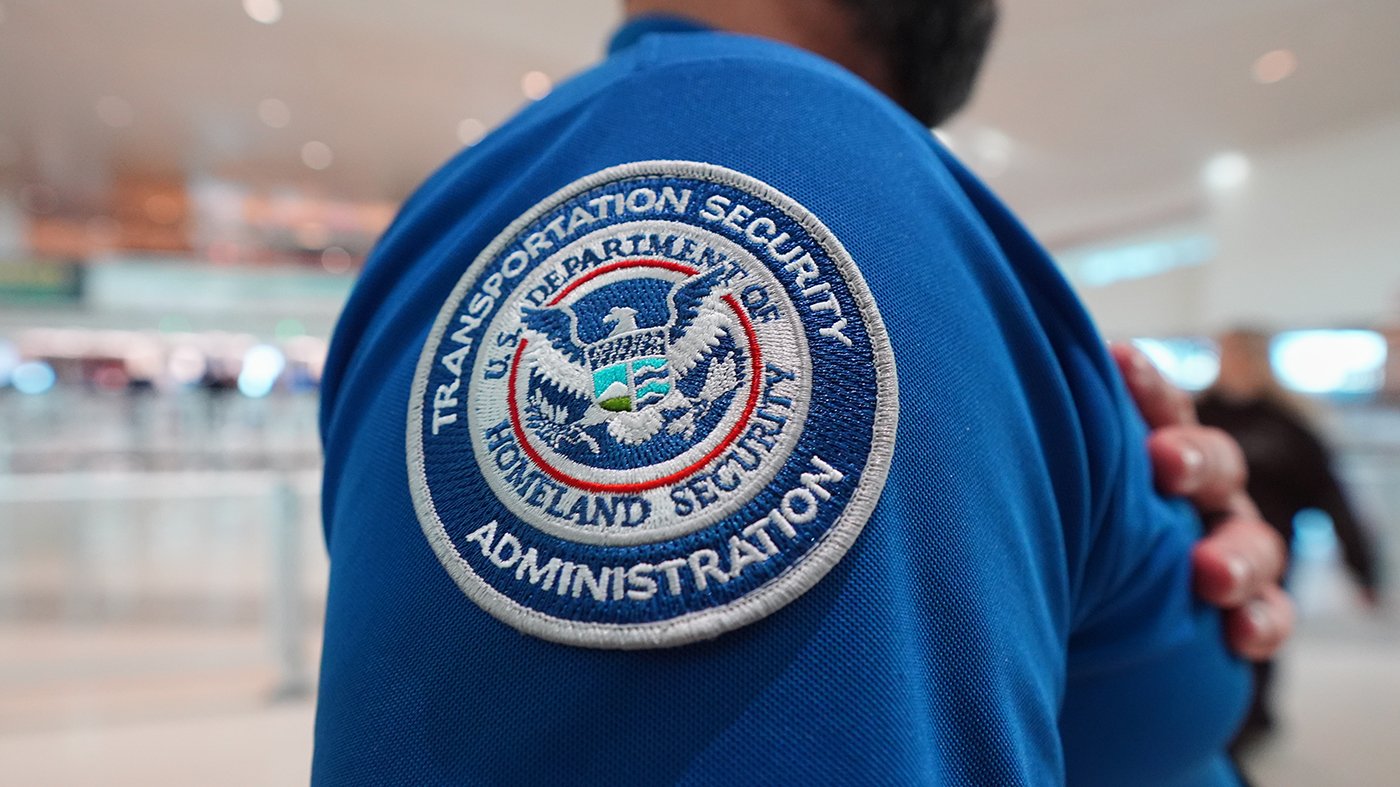
Leaders representing Transportation Security Administration officers have issued a sharp rebuke of the Trump administration's decision to deploy Immigration and Customs Enforcement personnel to major airports. In a coordinated virtual press conference hosted by the American Federation of Government Employees, union officials argued the move is an ineffective response to the security screening delays caused by the ongoing partial government shutdown, which has left TSA officers working without pay.
Hydrick Thomas, president of the AFGE TSA Council 100, characterized the deployment as an "insult" and a "waste of money." He emphasized the fundamental mismatch between ICE's tactical enforcement training and the customer service-oriented, highly specific skill set required for airport security screening. "You want to bring a tactical force into an environment where you're required to have customer service and a skill set, a mindset, where you know what you're doing, how to identify something that might be suspicious—They don't have that training," Thomas stated.

Lack of Training and Operational Knowledge
Union leaders expressed frustration over a lack of clear information regarding the training or specific duties assigned to the ICE officers. Janis Casey, AFGE TSA Council 100 Region 3 vice president, noted that TSA positions require rigorous annual certification that ICE personnel lack, limiting their ability to meaningfully assist. Thomas, who works at New York's JFK airport, provided a stark example of the operational disconnect, describing ICE officers unable to give passengers basic directions, potentially causing them to miss flights.
The criticism extends to the financial optics of the deployment. Several union officials highlighted the disparity where ICE officers sent to airports are receiving per diem and hotel allowances, while TSA screeners face missed paychecks. "For them to have them come in, knowing that they're collecting a per diem check and hotels, to come to these airports while officers are not receiving a paycheck is also, you know, I feel like it's waste," said Aaron Barker, president of AFGE Local 554 in Georgia. He added, "It's a waste of money that could have been coming into officers' bank accounts." This sentiment echoes broader union demands for lawmakers to address the pay crisis before attending to other business.
Questioning the Impact on Security Lines
Union leaders directly challenged the administration's claim that the ICE presence has alleviated wait times. Barker, referencing Atlanta's Hartsfield-Jackson International Airport, argued that any reduction in lines was due to predictable mid-week travel patterns, not ICE activity. "It has nothing to do with ICE presence being there," he asserted, explaining that the ICE officers in Atlanta are not performing screening functions but are merely monitoring queues—a role already filled by designated airport staff.
Johnny Jones, AFGE TSA Council 100 secretary treasurer, dismissed the entire episode as a political maneuver. "Look, at the end of the day, it doesn't matter what ICE is doing up there. They just need to pay the employees," Jones said. "This is a straight-up distraction to the real story of TSA officers going to work without being paid. The ICE officers are being paid. This is kind of like an insult to the employees." This focus on the shutdown's financial impact on homeland security personnel comes as the department's new leadership is sworn in amid ongoing political friction.
The deployment of ICE officers to 14 airports was announced by the White House as a temporary measure to assist with non-screening tasks like managing queues and providing logistical support, aiming to free up TSA officers for screening duties. However, the union's unified front suggests the policy is failing to achieve its stated goal and is instead exacerbating morale issues within an unpaid workforce critical to national aviation security.
The controversy underscores the deepening operational strains within the Department of Homeland Security due to the funding lapse. The dispute over resources and personnel highlights the complex challenges facing the agency's leadership, which must navigate partisan disagreements over funding and immigration policy that are directly impacting frontline security operations. As the shutdown persists, the effectiveness of such stopgap measures remains in serious doubt among the officers tasked with executing them.