Major U.S. airports are experiencing severe security checkpoint disruptions as a partial government shutdown creates Transportation Security Administration staffing shortages, leading to wait times stretching to four hours or more at major hubs. This operational crisis has triggered a sharp spike in public interest for expedited screening programs, though even these paid services are not immune to the widespread breakdowns.
Expedited Services Under Strain
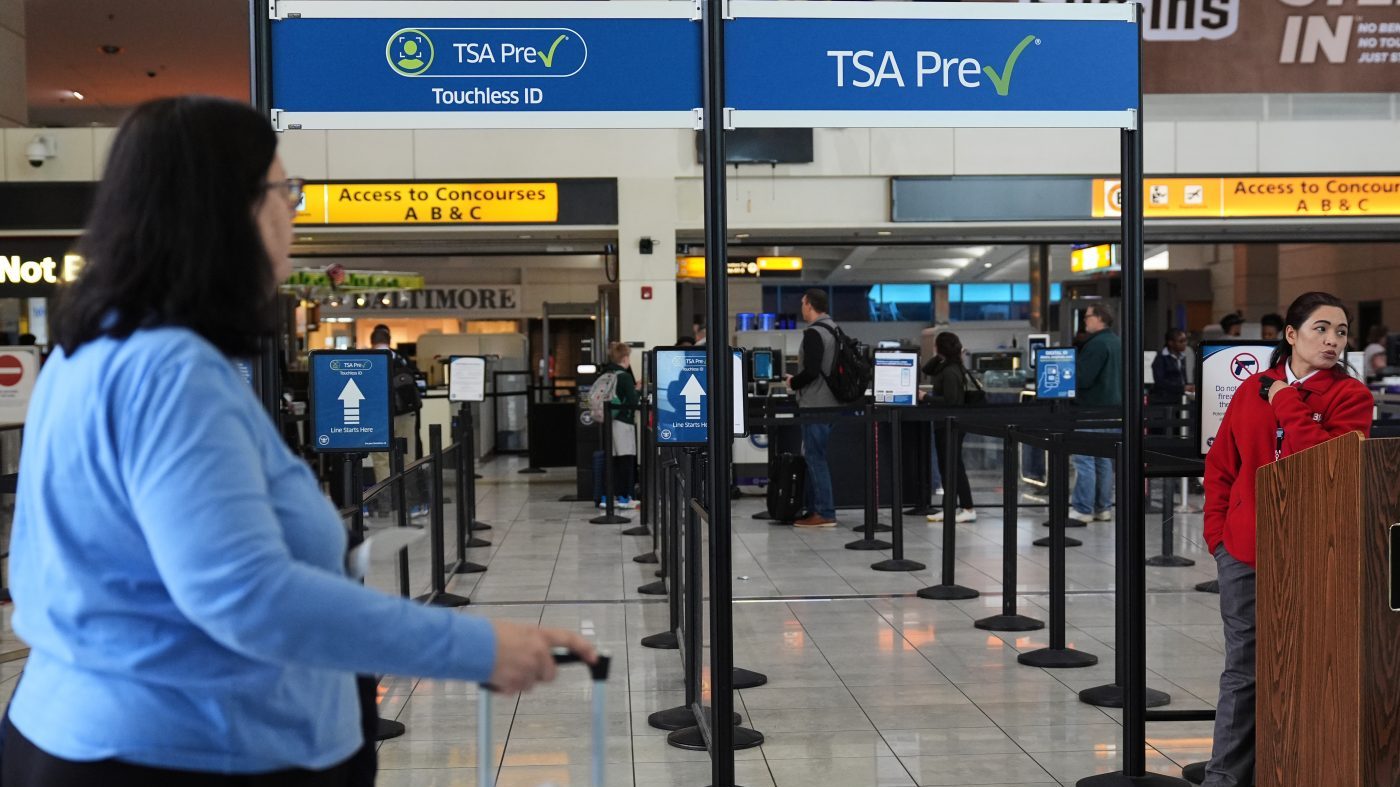
Programs like TSA PreCheck and the private service CLEAR are designed to slash security wait times, but recent days have seen them suspended or overwhelmed. At Houston's George Bush Intercontinental Airport, both services were unavailable on Tuesday amid extreme delays. Similarly, TSA PreCheck was suspended at Louis Armstrong New Orleans International Airport due to staffing issues, though CLEAR remained operational there for existing members.

The situation at Hartsfield-Jackson Atlanta International Airport became so dire that agents warned of TSA PreCheck lines reaching four to five hours, a queue that reportedly included passengers without the expedited designation. These disruptions are unfolding as the administration deploys ICE agents to airports, a move that TSA union leaders have criticized as an ineffective distraction from the core staffing and pay crisis.
Travelers Seek Alternatives Amid Chaos
Faced with collapsing standard operations, some travelers are turning to on-the-spot enrollment. Casey Clark, a passenger at Baltimore/Washington International Airport, encountered a single open checkpoint and a closed PreCheck lane on Sunday. "The standard security line there was more than a four-hour wait, so I signed up for CLEAR on the spot," Clark said. He managed to switch lines and board his flight just in time, noting many seats were empty due to the delays.
A CLEAR spokesperson confirmed the service remains open at most locations but acknowledged it is affected by rapidly deteriorating conditions at some airports, identifying Atlanta and Houston as experiencing "extreme disruptions." The TSA notes that PreCheck operating hours can change based on dynamic operational needs, which vary by airport.
Breaking Down the Expedited Options
TSA PreCheck
This government-run program costs between $76 and $85 for a five-year membership and provides access to dedicated lanes at over 200 airports. PreCheck passengers typically keep shoes, belts, and light jackets on and can leave laptops in their bags. The agency claims 99% of members wait less than 10 minutes. Enrollment requires an online application followed by an in-person appointment for fingerprinting and ID verification. Many credit cards reimburse the application fee. Approved travelers receive a Known Traveler Number to add to reservations.
TSA PreCheck Touchless ID
A new, voluntary iteration of PreCheck is rolling out at 65 airports. Touchless ID uses facial comparison technology to verify identity, granting access to a dedicated lane. To participate, PreCheck members must have an active profile with a participating airline—Alaska, American, Delta, Southwest, or United—and upload passport information. Travelers must opt-in via their airline profile or at check-in.
CLEAR+
Operated by a private company, CLEAR+ is a separate, biometric-based service that costs $209 annually. It verifies identity using fingerprints or iris scans, escorting members to the front of the standard TSA ID check line. It is often used in conjunction with TSA PreCheck for the fastest possible route through security.
The current airport turmoil underscores how federal operational stability directly impacts critical infrastructure and consumer behavior. As travel disruptions continue, the demand for these paid bypass systems is likely to grow, even as their reliability is tested by the same systemic pressures affecting the main security lanes. The situation remains fluid, with airport conditions changing rapidly amid the ongoing political impasse over government funding.