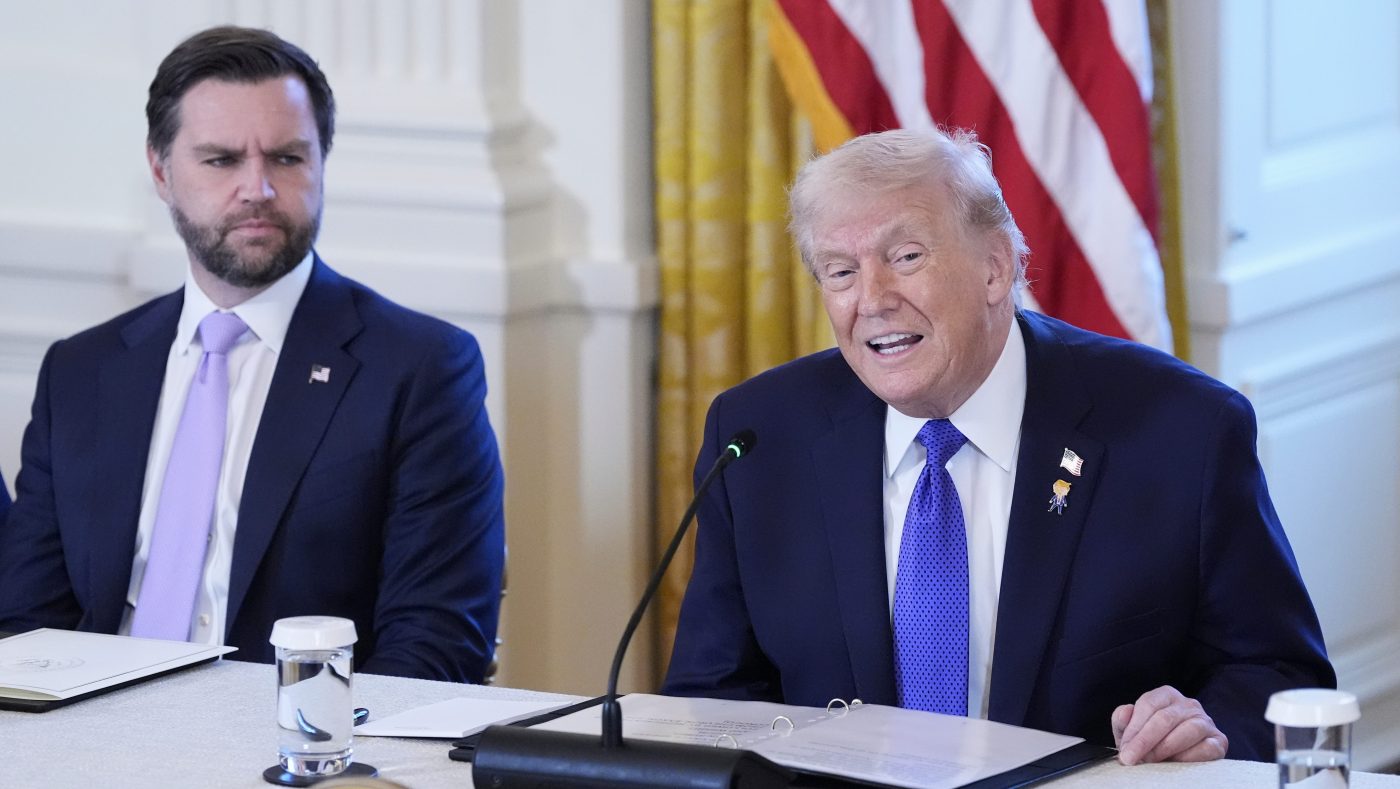
President Donald Trump and Vice President JD Vance electronically signed a memorandum of understanding with Iran on Sunday, marking the first official step toward a broader nuclear deal. Senior U.S. officials confirmed Monday that Mohammad Bagher-Ghalibaf, speaker of the Iranian Parliament, signed for Tehran. The move comes as the administration faces intense scrutiny from allies and domestic critics alike.
The full text of the MOU is slated for release within 24 to 48 hours, according to the officials. They described the document as a preliminary framework that sets the stage for what one called “real technical discussions,” to be led by Vance later this week.
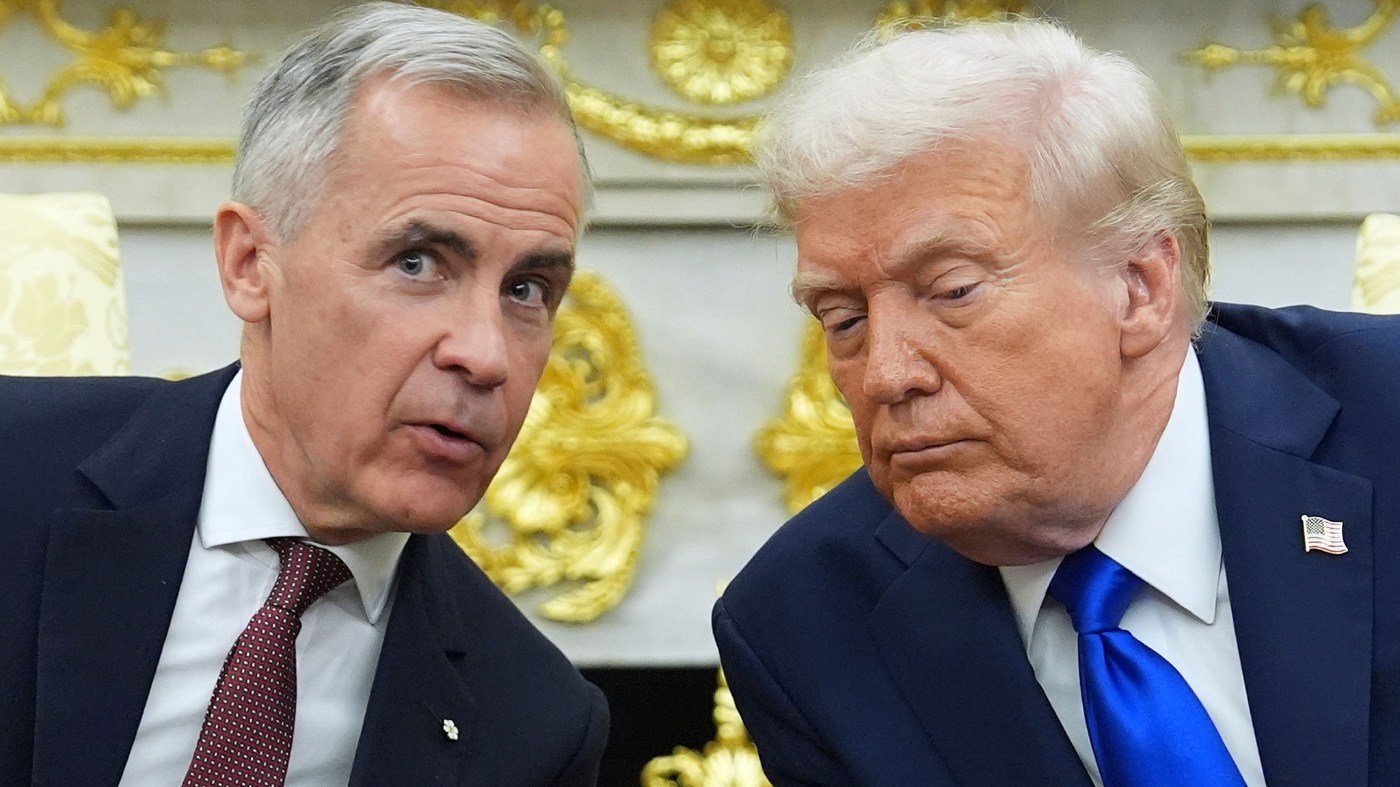
In an interview Monday on ABC’s “Good Morning America,” Vance offered a preview of the deal’s structure. “We’ll be releasing the text this week, and what everybody will see is that Iran doesn’t get a dime of money unless they perform their obligations,” he said. “The money that we’re talking about is fundamentally sanctions relief.”
A physical signing ceremony is scheduled for Friday, with Vance and Jared Kushner, Trump’s son-in-law and senior adviser, expected to be present. The electronic signing over the weekend was a procedural move to lock in the framework ahead of the formal event.
U.S. officials emphasized that the agreement is only an initial step. During a 60-day negotiation period, the United States will maintain its current military posture in the region. One official noted that traffic through the Strait of Hormuz has already begun to increase and will “ramp up slowly over time,” signaling a potential easing of tensions in the vital waterway.
So far, Iran has not received any frozen assets from the United States or other countries, officials said. The MOU ties sanctions relief to verifiable Iranian compliance, a point Vance stressed to counter concerns that Tehran could pocket concessions without delivering on nuclear rollbacks.
The deal has already drawn sharp reactions. Israeli officials publicly rejected the preliminary accord and vowed to hold contested territory in Lebanon, raising questions about regional stability. Meanwhile, Trump heads to the G7 this week, where European allies—particularly French President Emmanuel Macron—are expected to press for more transparency and tougher enforcement mechanisms. For more on that diplomatic friction, see our coverage of Trump and Macron's clash over the Iran deal and digital tax.
Domestically, the administration is bracing for a political fight. Hardliners in Congress have already signaled plans to challenge the deal, while Vance pushed back on what he called “hardliner propaganda” in a separate interview. For a deeper look at his defense of the framework, read Vance's promise to release the full text and reject misleading claims.
The maritime implications of the deal are also drawing attention. The administration’s approach to the Strait of Hormuz—a chokepoint for global oil shipments—comes amid broader questions about its rejection of international maritime norms. Our analysis of how Trump's stance on the Law of the Sea undermines maritime trust provides context for these developments.
As the 60-day clock starts, the coming weeks will test whether this MOU can evolve into a lasting agreement—or whether it will deepen divisions both at home and abroad.

