In the dead of night, adrift in the Caribbean after abandoning a sinking dinghy, a journalist was rescued by Dominican fishermen. That act of maritime solidarity—rooted in a centuries-old tradition of rendering aid at sea—is now under threat, as the Trump administration systematically dismantles the international legal framework that codifies such duties.
The United Nations Convention on the Law of the Sea (UNCLOS) enshrines the obligation to assist mariners in distress, ensures freedom of navigation through critical chokepoints like the Strait of Hormuz, protects undersea cables that carry 99% of global internet traffic, and declares deep-sea minerals the “common heritage of mankind.” Yet the U.S., which signed the treaty in 1994 but never ratified it, has under President Donald Trump repeatedly flouted these norms.
Attacks on Unidentified Vessels
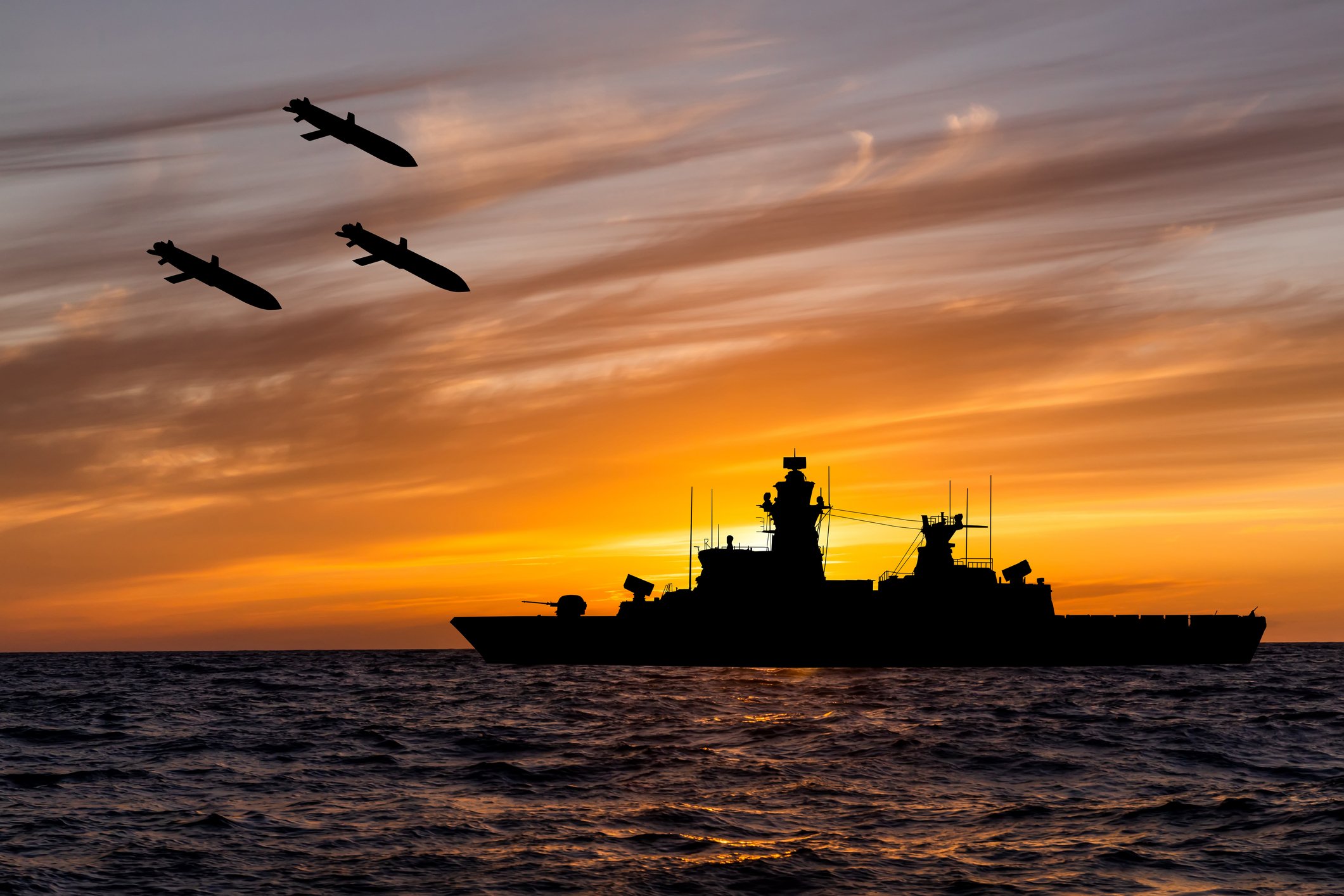
On September 2, 2025, the U.S. military attacked an unidentified vessel in international waters, then struck again as two sailors clung to wreckage. Over the following eight months, more than 60 small boats were targeted, killing over 200 sailors. None were conclusively identified as narco-terrorists; several had no ties to Latin American drug trafficking. These were not enemy combatants, but men fighting for survival on upturned hulls.
Six Democratic senators released a video reminding service members of their legal duties. Hearings were held, media condemnation followed. But the strikes continued, the most recent on May 30, 2026. The administration’s actions have shattered the trust that underpins maritime safety—a trust that, as the journalist’s rescue shows, can mean the difference between life and death.
Freedom of Navigation in Jeopardy
UNCLOS guarantees freedom of navigation through international straits. During recent U.S.-Iran tensions, both nations—neither of which has ratified the treaty—erected competing blockades in the Strait of Hormuz, ignoring long-established customary law. Although the conflict may ease, there is no guarantee that unimpeded passage will be restored. This echoes broader concerns about Trump's contradictory approach to Iran and North Korea, which has left international norms in flux.
Subsea cables, vital to global communications, are also under threat. Russia’s shadow fleet has allegedly cut cables to disrupt adversaries, while Iran has tried to impose fees on cables transiting the Strait of Hormuz. UNCLOS provides a framework for protecting these assets, but U.S. refusal to ratify weakens collective enforcement.
Deep-Sea Mining and the Global Commons
The treaty recognizes deep-sea mineral resources as belonging to all humanity. The Trump administration has claimed authority under the 1980 Deep Seabed Hard Minerals Resources Act to issue mining leases in international waters, abandoning three decades of multilateral negotiations. Scientists overwhelmingly warn that the environmental consequences of deep-sea mining remain unresolved. By going it alone, the U.S. undercuts efforts to manage these resources sustainably.
The administration’s stance is paradoxical: it invokes U.S. law that itself acknowledges the “common heritage” principle, while rejecting the international treaty that gives it force. This selective adherence—abiding by UNCLOS when convenient, ignoring it when not—has left the U.S. in a state of perpetual ambiguity.
President Bill Clinton signed the implementation agreement in 1994, but the Senate never ratified it. Today, the U.S. relies on national and customary law to approximate the treaty’s protections. But as the attacks on vessels and rejection of multilateral talks show, that approach is failing. The international maritime community can no longer trust that a future U.S. administration will uphold the rules that have kept the seas safe and open for half a century.
For a deeper look at how decades of inaction on global challenges have eroded trust, see our report on how climate change inaction has become a generational betrayal. The stakes extend beyond the sea: as tensions with Iran escalate, the absence of a ratified Law of the Sea leaves the U.S. without a clear legal footing to defend freedom of navigation.

