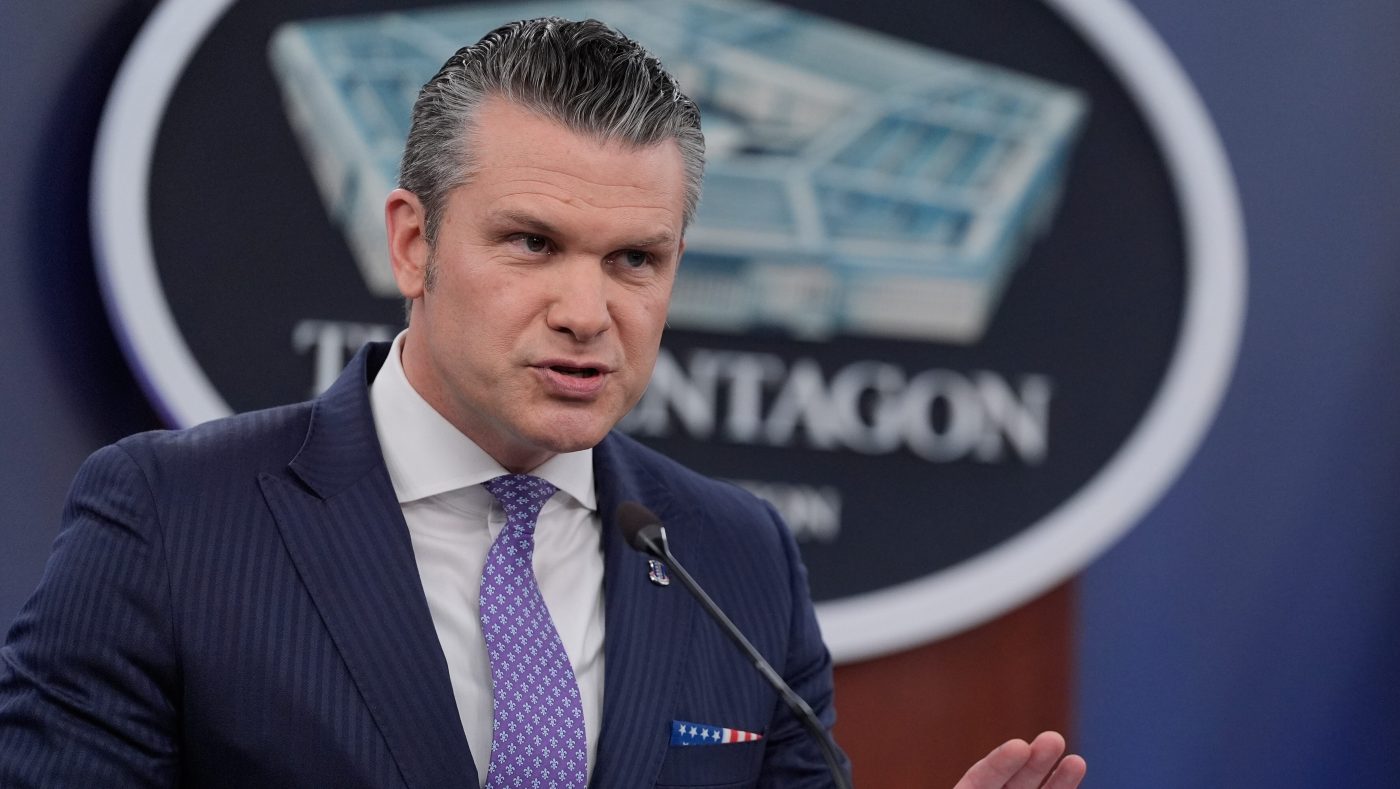
Defense Secretary Pete Hegseth declared on Wednesday that the U.S. military is prepared to carry out “strong and clear” strikes against Iran over the next two nights, signaling a sharp escalation in the confrontation between Washington and Tehran. Speaking at MacDill Air Force Base in Tampa, Florida, Hegseth said the Pentagon has ongoing plans for operations Wednesday and Thursday if needed, following President Trump’s earlier warning of additional attacks.
“This building continues to plan, and so those strikes that will happen tonight will be strong. They will be clear. If they happen to happen tomorrow night, they will be strong, and they will be clear,” Hegseth told reporters. His remarks came hours after Trump announced that further strikes on Iran were slated for Wednesday night, building on a series of retaliatory strikes launched Tuesday.
Trump’s Deal-Making Ultimatum
Hegseth emphasized that Iran has had ample opportunity to negotiate a resolution, framing the military action as a tool to strengthen Washington’s diplomatic hand. “That’s the point. President Trump is a deal maker, the best in the world. He’s prepared to make that deal. Iran would be wise to take it. Otherwise, they would have to deal with the types of plans that I just had a chance to see inside Central Command,” he said.
Trump, speaking from the Oval Office, echoed that sentiment while vowing to continue punishing Tehran for its downing of an Army Apache helicopter near the Strait of Hormuz earlier this week. “So, we’ll see what happens, but we hit them hard yesterday, and we’re going to hit them again hard today, in case you missed it, in case you don’t turn on your television set — and we’ll see what happens with the deal,” Trump said. He added, “We were really close to a deal, but they keep tapping us along, they keep playing us for suckers.”
Military Operations and Retaliation
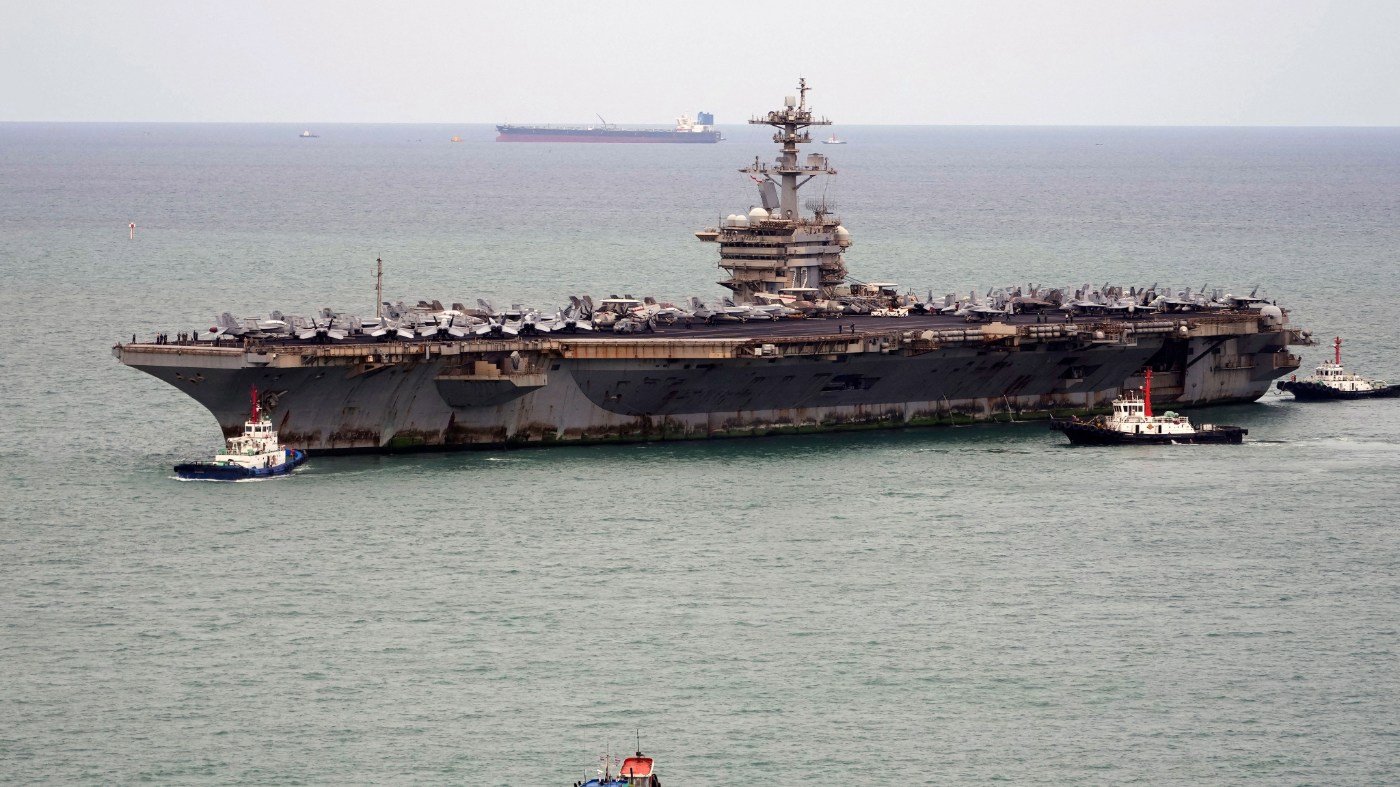
On Tuesday, U.S. Navy and Air Force fighter jets struck Iranian air defense systems, ground control stations, and surveillance radar sites near the Strait of Hormuz, according to U.S. Central Command. In response, Iran’s Islamic Revolutionary Guard Corps launched 21 attacks on U.S. bases across the Middle East overnight, targeting installations including the U.S. 5th Fleet in Bahrain and Al Azraq American military base in Jordan.
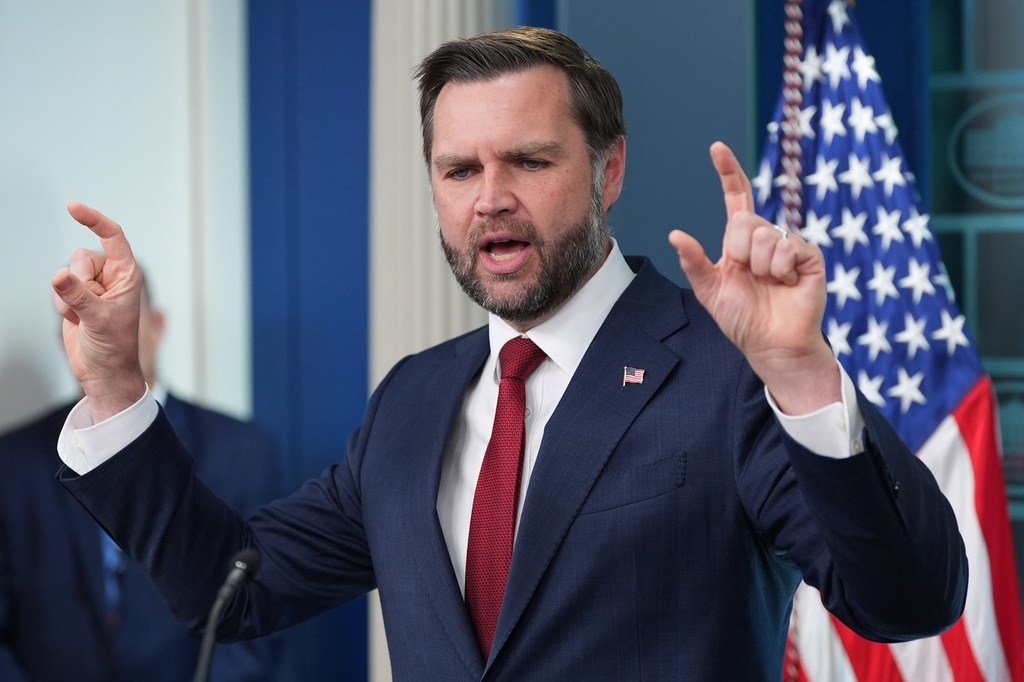
The escalating cycle of strikes has drawn in top national security officials. Trump convened a Situation Room meeting on Wednesday afternoon with Vice President Vance, Secretary of State Marco Rubio, CIA Director John Ratcliffe, Joint Chiefs Chairman Gen. Dan Caine, special envoy Steve Witkoff, and other senior aides to discuss potential new operations against Iran, Axios reported.
Negotiating With Bombs
Hegseth framed the military campaign not as a prelude to broader war but as an effort to advance U.S. strategic interests and improve the administration’s negotiating leverage. “If we need to negotiate with bombs, we’ll negotiate with bombs, and we’re very good at it. Nobody better in the world,” he said. The defense secretary’s comments align with Trump’s earlier emphasis on a disproportional response after the Apache incident.
The administration’s dual track of military pressure and diplomatic overtures has raised questions about the endgame. While Trump insists he still seeks a “meaningful deal” with Iran, the ongoing strikes — and the threat of more — suggest a hardening posture. The Pentagon’s readiness to continue operations underscores the high stakes in a region where oil traffic through the Strait of Hormuz remains a critical concern, as Energy Secretary Wright has noted.
With tensions soaring, the coming hours will test whether Hegseth’s “strong and clear” warning translates into sustained military action or serves as a catalyst for renewed negotiations. For now, the Pentagon is signaling it stands ready to deliver both.