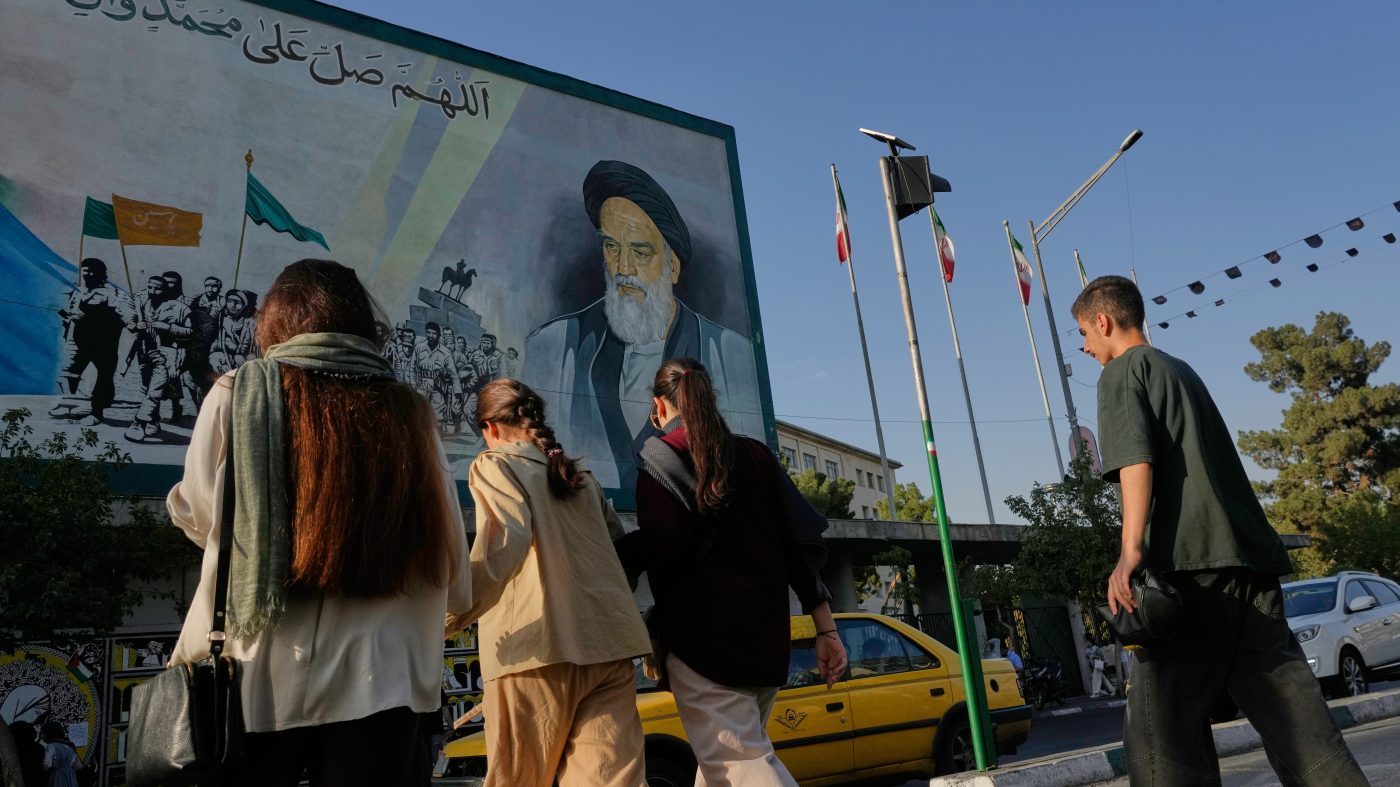
For the first time in two weeks, Iran went without U.S. military strikes overnight Saturday, ending a 13-day streak of reciprocal attacks that had followed alleged violations of a ceasefire agreement signed last month. The pause offers a brief reprieve in a conflict that has now stretched into its fifth month.
Iran's health ministry spokesperson, Hossein Kermanpour, confirmed the absence of new attacks in a Saturday social media post. “It seems our dear Iran had a peaceful night last night, and no part of its body was struck or hit,” he wrote in Persian. “Iran’s body is intact. Iranian head is healthy.”
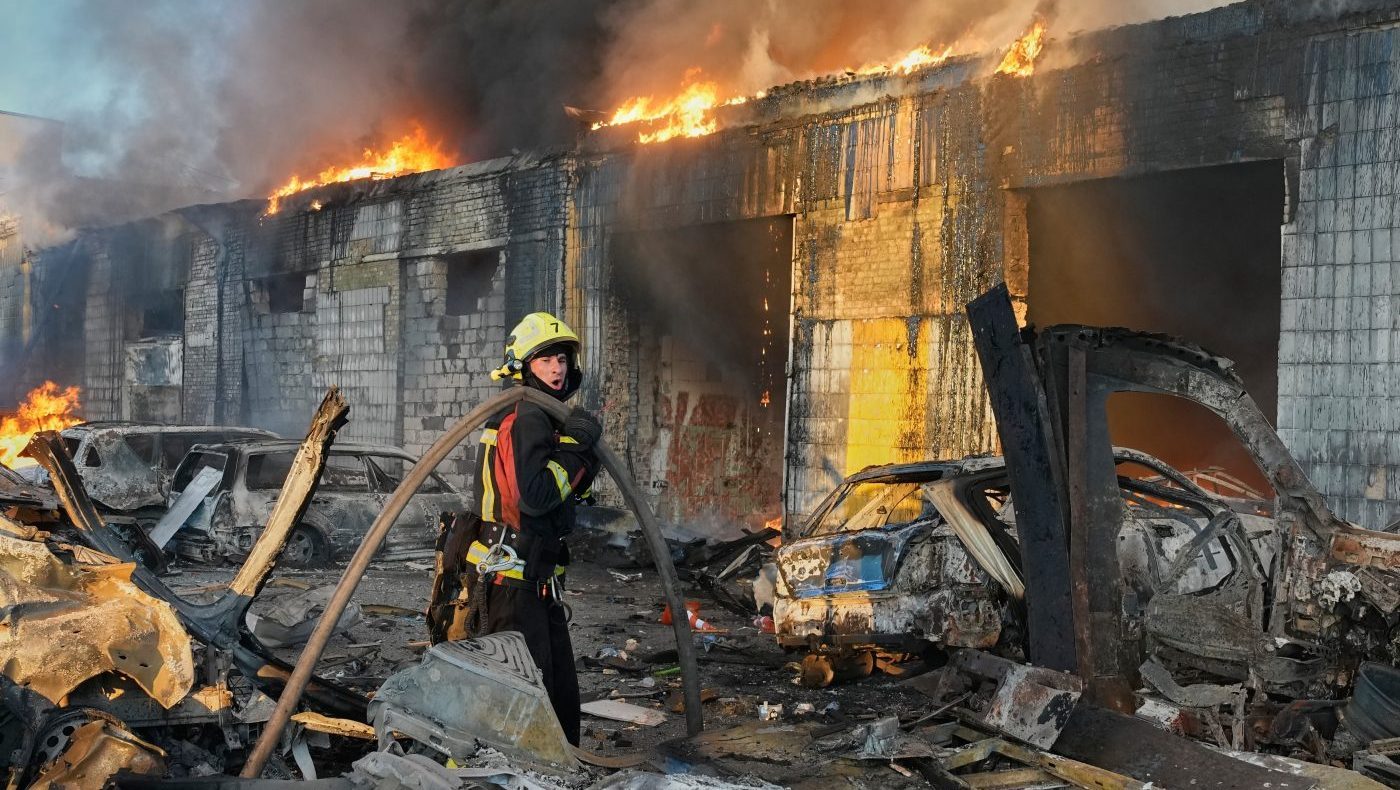
However, the lull does little to mask the ongoing tensions. The U.S. and Israel launched joint strikes on Iran on February 28, and the Pentagon has carried out attacks for 13 consecutive nights, targeting dozens of sites across Iran. In retaliation, Tehran has struck U.S. military bases throughout the Middle East. The conflict has claimed at least 18 American service members and over 3,400 Iranian lives, according to Iran's health ministry.
The renewed hostilities threaten already fragile peace negotiations. Washington and Tehran signed a framework agreement in June, but progress has stalled. On Thursday, Iranian Foreign Minister Abbas Araghchi criticized U.S. leadership, writing on social platform X: “Compromised individuals in the U.S. administration are burying their heads in the sand. They ignore the realities on the ground and seem focused only on 2028. The mindless aggression they advocate will only ensure that POTUS pays heavier price for deal he’s trying to achieve.”
President Trump addressed the state of talks at the White House Correspondents’ Association dinner on Friday evening. “By the way, they are talking to us right now,” he told reporters. “They’d love to make a deal. I don’t think they’re ready to. I don’t think it’s time yet, but I’m willing to listen.”
The pause in strikes comes amid mounting domestic pressure. GOP hawks are urging Trump to escalate military action as oil prices surge past $100 per barrel, straining the global economy. Meanwhile, the Pentagon faces scrutiny for underreporting injuries from the Iran strikes, with critics accusing the administration of a lack of transparency.
In a separate development, Houthi strikes on Saudi oil tankers in the Red Sea have further inflamed regional tensions, pushing energy markets into crisis mode. The Iran-linked Houthis have targeted Saudi vessels, threatening vital shipping lanes and exacerbating the economic fallout from the broader conflict.
As the war enters its fifth month, the quiet night may be a fleeting moment of calm. Both sides remain entrenched, and the path to a diplomatic resolution appears uncertain. Trump’s willingness to listen, as he put it, has yet to translate into concrete progress, leaving the region on edge.