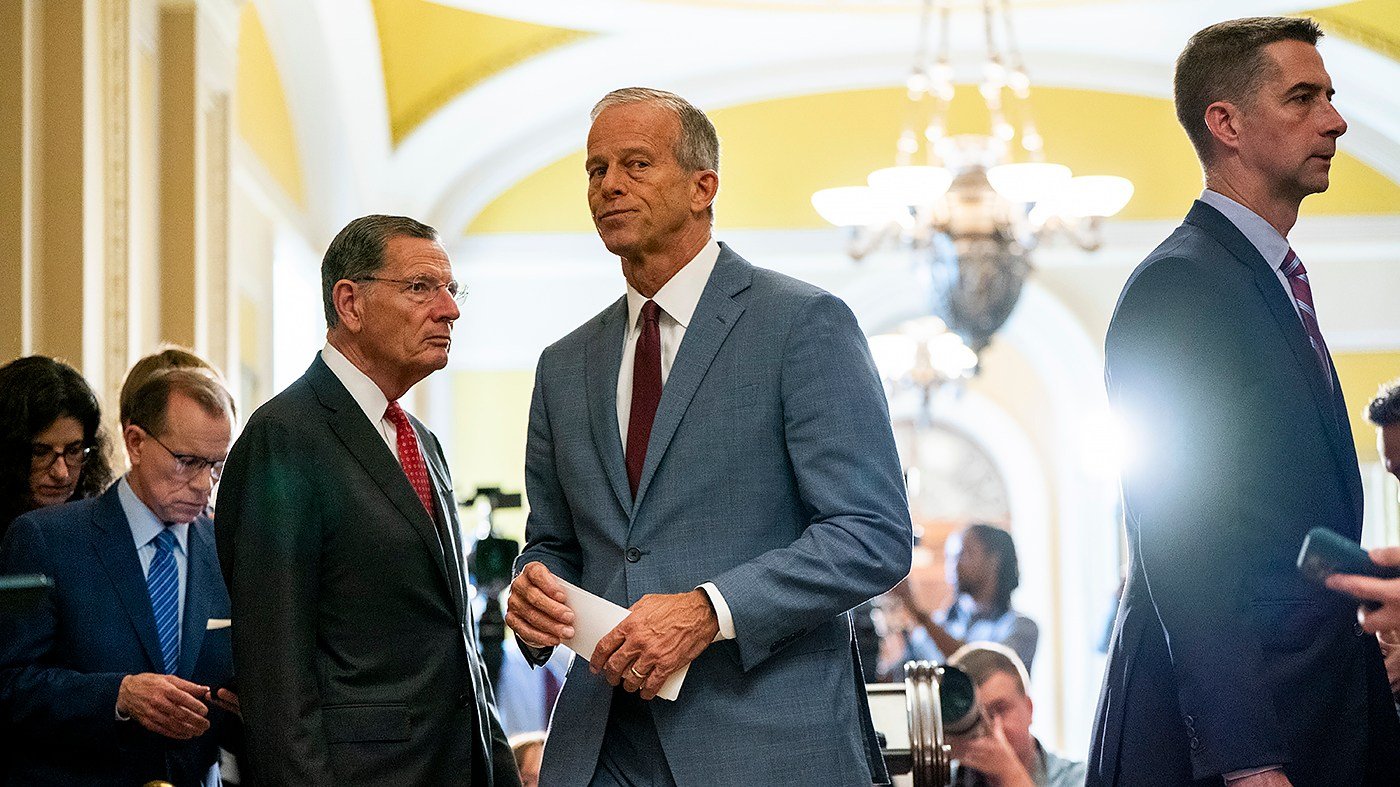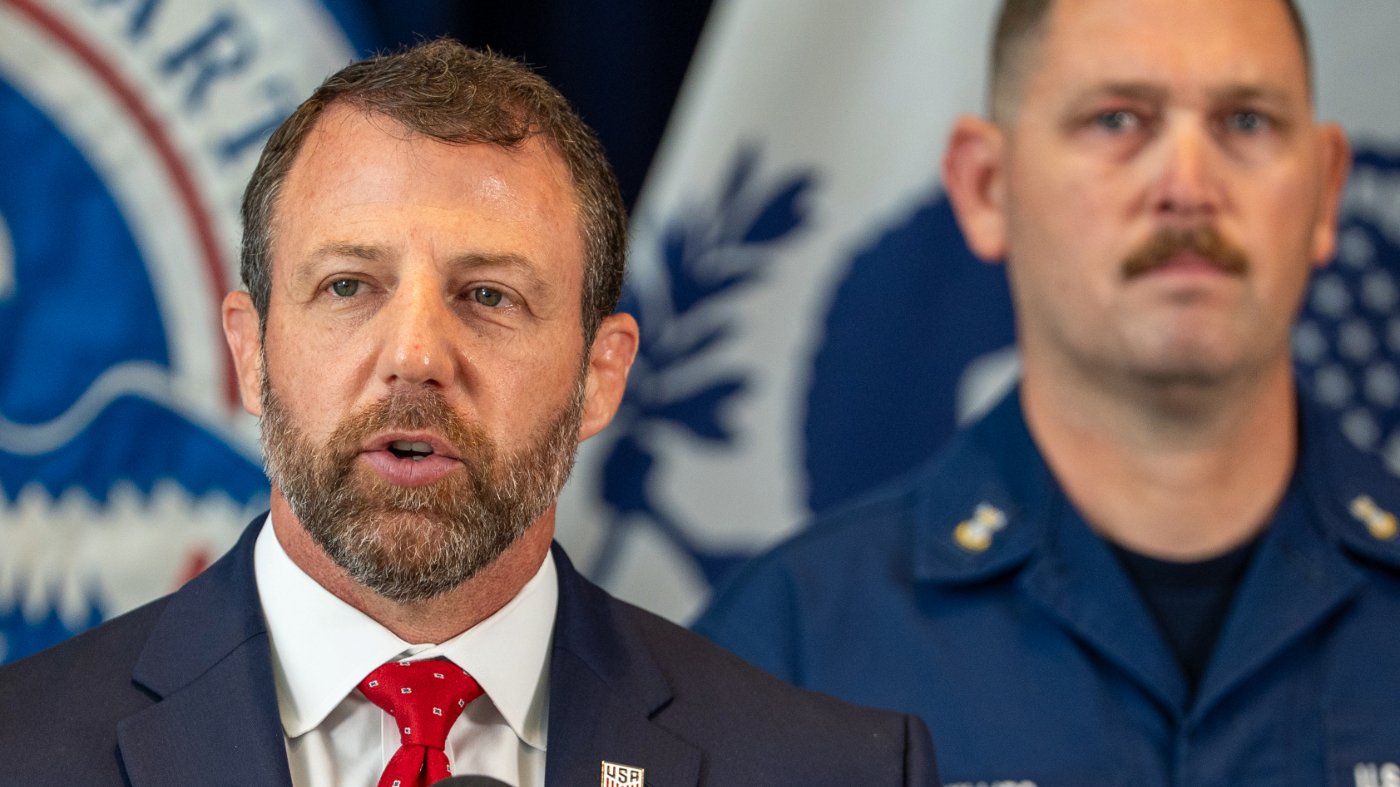
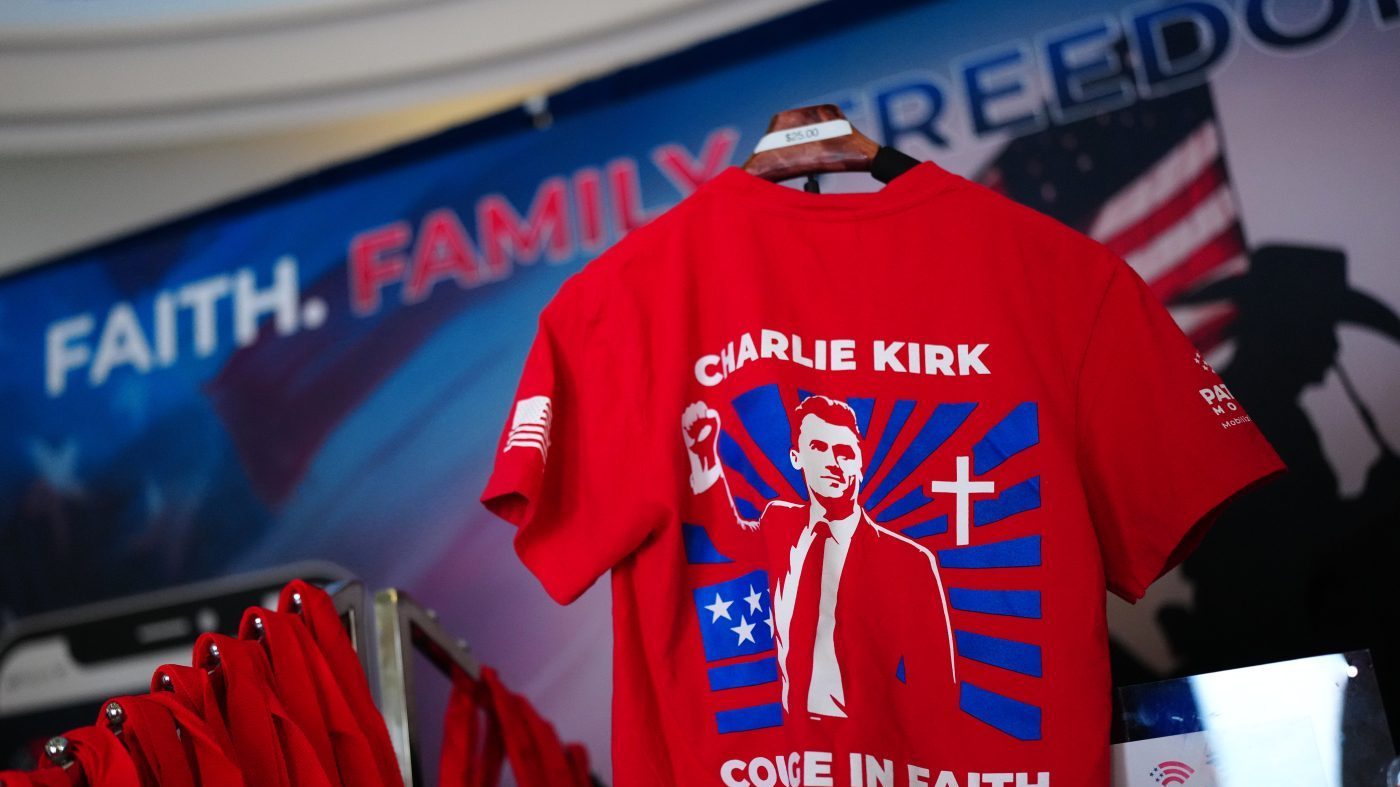
In July, the State Department hosted representatives from 65 nations for a summit targeting far-left extremist groups, the latest move in President Trump's campaign against the "radical left" following the murder of Charlie Kirk. But this focus, critics argue, is dangerously misplaced.
Tom Mockaitis, a DePaul University history professor and former Defense Department counterterrorism fellow, warns that chasing imaginary threats leaves the country exposed to real ones. He points to this year's National Counterterrorism Strategy, which prioritizes Islamists, drug cartels, and so-called "violent secular political groups" described as anti-American, radically pro-transgender, and anarchist, while largely ignoring far-right extremists.
"In my extensive research and writing on terrorism, I have never encountered a 'violent' and 'radically pro-transgender' extremist group," Mockaitis writes. He argues that strategy must be based on objective threat assessment, not ideological bias.
Historically, U.S. counterterrorism efforts have adapted to evolving threats. During the 1960s, the Ku Klux Klan terrorized the Civil Rights Movement, including the Birmingham church bombing that killed four girls. The 1970s saw left-wing groups like the Weather Underground and FALN carry out dozens of bombings. In the 1990s, the Earth Liberation Front and Animal Liberation Front committed arsons, while anti-government militias inspired Timothy McVeigh's Oklahoma City bombing, which killed 168 people.
After 9/11, the focus shifted to Islamist groups like al Qaeda and ISIS. As that threat waned, far-right extremism resurged. The election of Barack Obama in 2008 sparked a dramatic rise in hate groups. Groups like the Oath Keepers and III Percenters, heavily armed and involved in the Jan. 6 insurrection, grew rapidly. By 2016, the Southern Poverty Law Center identified 101 hate groups, up from 34 the previous year, and the Department of Homeland Security deemed far-right extremists a greater threat than ISIS.
Trump's embrace of some far-right ideas emboldened these groups, as seen at the 2017 "Unite the Right" rally in Charlottesville, where marchers chanted "Jews will not replace us." In response, the loosely organized Antifa movement emerged, but Mockaitis notes it has no national structure and has been linked to only one successful terrorism prosecution—the March conviction of protesters at a Texas detention center, where an ICE officer was shot. The jury found one man guilty of attempted murder and eight others of providing material support for terrorism, but did not prove they belonged to an Antifa cell.
Despite this, Trump blames Antifa for Jan. 6 and insists it is a pervasive menace. The new DHS approach, Mockaitis argues, focuses on imaginary dangers while ignoring real ones, leaving the country vulnerable. He calls for a return to objective threat assessments, regardless of ideology.