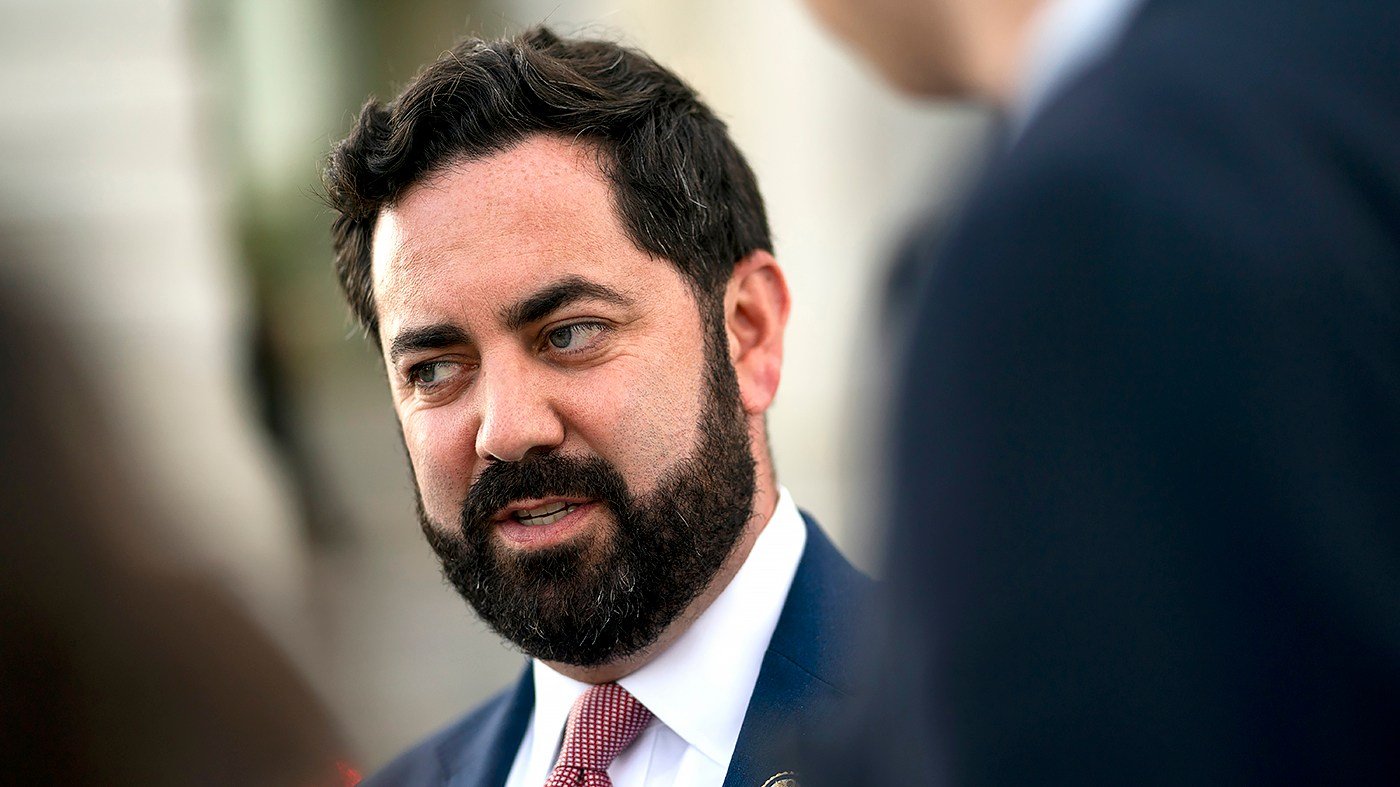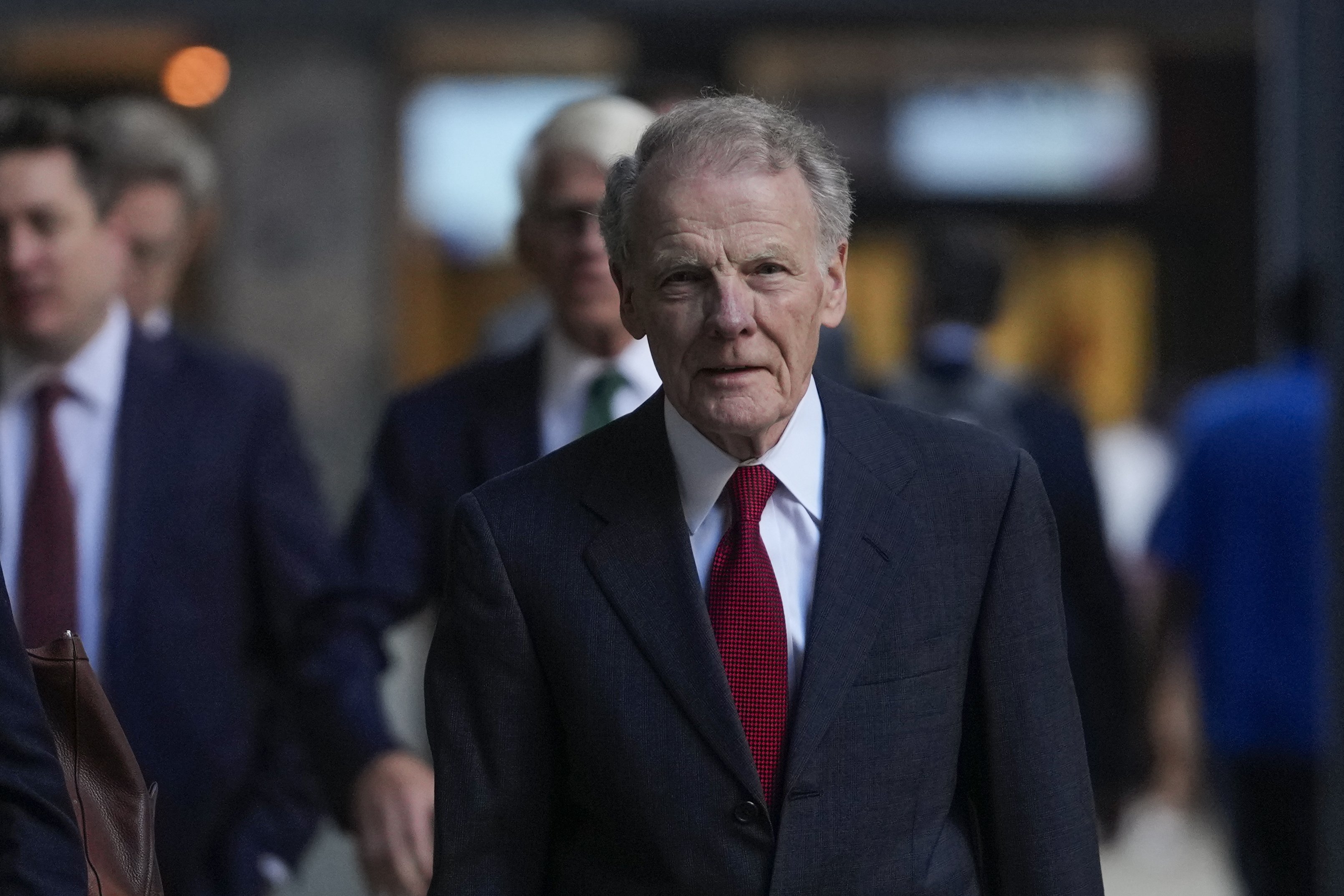
Former Illinois House Speaker Michael Madigan (D) is asking the U.S. Supreme Court to overturn his corruption conviction, arguing that federal prosecutors overstepped by criminalizing routine political dealings. The longest-serving state legislative leader in American history was sentenced last year to seven and a half years in prison after a jury found him guilty on 10 counts, including bribery, wire fraud, and conspiracy.
In a petition filed Wednesday, Madigan's legal team contends that the trial judge gave the jury improper instructions, allowing a conviction based on conduct that does not meet the legal standard for corruption. “The novel bribery theories the government zealously pursued against Speaker Madigan stretch federal bribery law in ways that threaten to criminalize and chill lawful interactions between state and local officials and their constituents,” the petition states.
Madigan's appeal lands at a time when the Supreme Court has been narrowing the scope of federal bribery and honest-services fraud statutes. In recent years, the justices have overturned convictions of high-profile figures including former Virginia Governor Bob McDonnell (R) in 2016, a top aide to former New York Governor Andrew Cuomo (D) in 2023, and a former Indiana mayor in 2024. These rulings have reshaped the legal landscape for public corruption cases, a trend Madigan hopes to leverage.
The evidence at trial showed that Madigan used his position to advance the interests of Commonwealth Edison, an Illinois utility, in exchange for the company funneling more than $3 million to his political allies and associates. In a separate scheme, he was convicted of agreeing to recommend a Chicago alderman for a state board position in return for business referrals. Prosecutors argued these were clear quid pro quo arrangements, but Madigan insists they were standard political favors.
Madigan's appeal follows a rejection by the 7th U.S. Circuit Court of Appeals in April, which upheld the conviction. He is represented by Lisa Blatt of Williams & Connolly, a veteran Supreme Court litigator. The high court accepts only a small fraction of the cases it is asked to review, and justices are expected to consider Madigan's request after their summer recess.
The case highlights ongoing debates about the line between legitimate political activity and corruption. Madigan's attorneys argue that the federal bribery statute requires proof that he acted “corruptly,” and that the trial court applied too lenient a standard. They contend that without a stricter interpretation, politicians could be prosecuted for routine constituent services and political horse-trading.
Madigan's petition comes as the Supreme Court has shown increasing skepticism toward broad interpretations of federal corruption laws. In a related development, the court's recent privacy ruling has also tightened restrictions on government surveillance, reflecting a broader trend of limiting executive power. Meanwhile, Senator Chuck Schumer (D-NY) has proposed a new anti-corruption agency, signaling that the issue remains politically charged even as the courts weigh in.
If the Supreme Court agrees to hear Madigan's case, it could have significant implications for how federal bribery laws are applied to state and local officials. Legal experts say a ruling in his favor could make it harder to prosecute similar cases in the future, potentially reshaping the enforcement landscape. For now, Madigan remains incarcerated while his appeal proceeds.