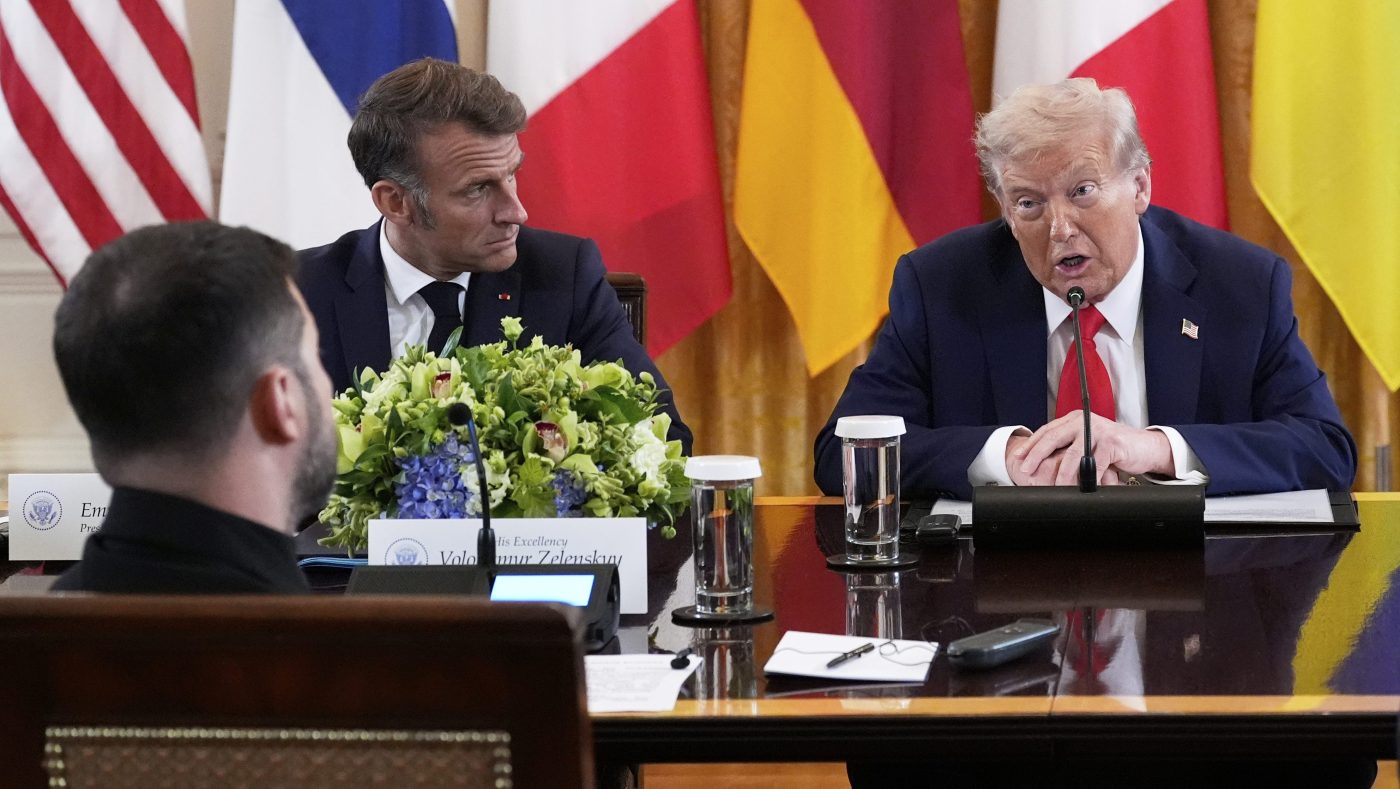
President Donald Trump and French President Emmanuel Macron are scheduled to hold bilateral talks Monday at the Group of Seven summit in Biarritz, France, as the two leaders navigate a series of escalating disputes over trade, defense, and Iran policy.
The meeting comes just one day after the Trump administration announced a preliminary accord with Tehran that it claims will secure the reopening of the Strait of Hormuz, a critical chokepoint for global oil shipments. The deal, which has drawn sharp criticism from Democratic lawmakers, is one of several flashpoints expected to dominate the summit. For more context on the Iran deal controversy, see our analysis of Trump's G7 arrival amid scrutiny of the preliminary Iran deal.
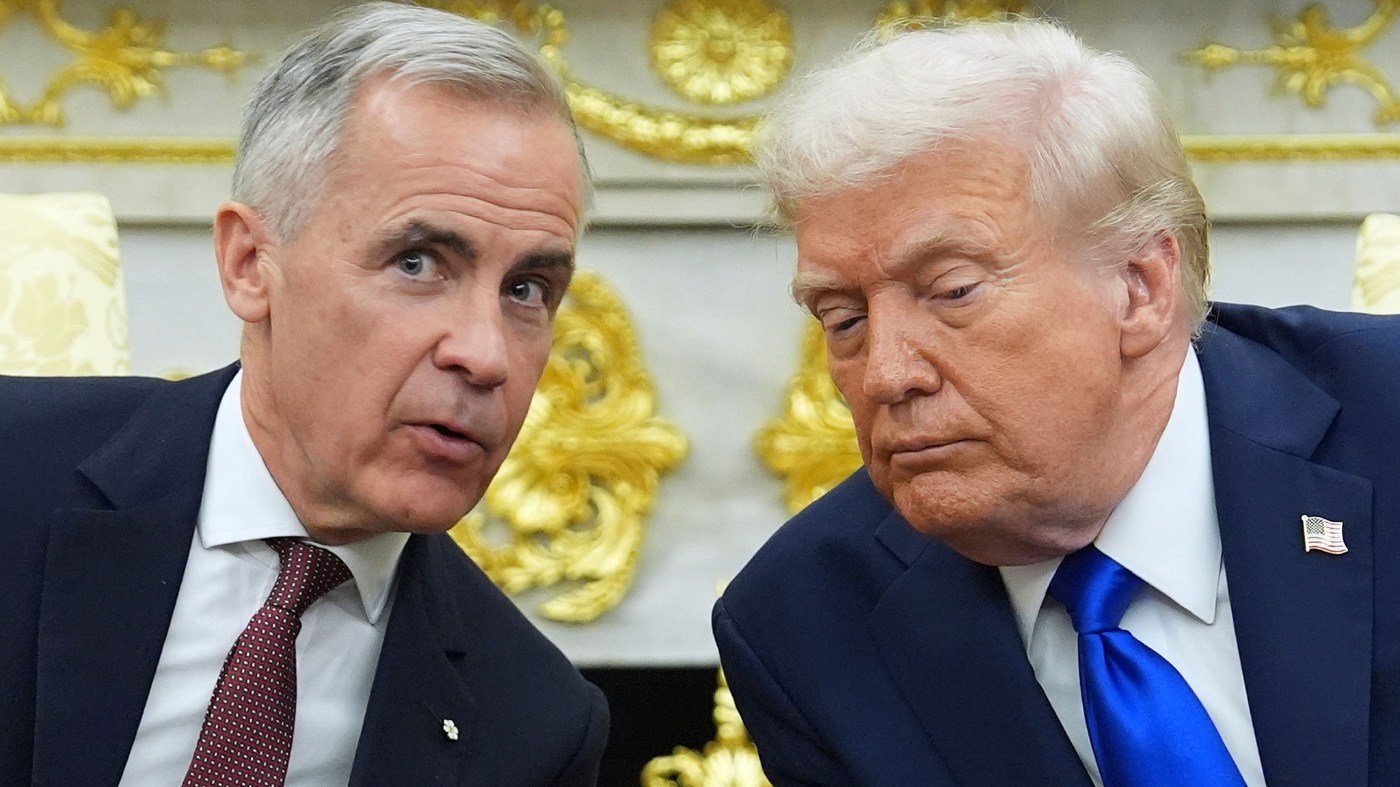
But perhaps the most immediate clash centers on Trump's threat to impose 100 percent tariffs on all French wine and champagne imports unless Paris repeals its digital services tax, which targets major American technology companies like Google, Apple, and Facebook. In an interview with The New York Post published Monday, Trump said he had personally asked Macron to back off the levy.
"I asked him not to charge American companies, and if they do, I have no choice but to charge a 100% tariff on all champagnes and all wines coming out of France," Trump told the newspaper, directly referencing Macron.
The French digital tax, which imposes a 3 percent levy on revenue from digital services earned in France, has been a persistent irritant in U.S.-European relations. The Trump administration has argued that the tax unfairly targets American firms and has launched a Section 301 investigation into the measure, a precursor to potential retaliatory tariffs. The broader trade tensions are part of a larger pattern of friction between Trump and European allies, as detailed in our preview of the G7 showdown and allied clashes over Iran, trade, and defense.
Macron, for his part, has defended the tax as a matter of fiscal fairness, insisting that digital giants must pay their share of taxes in the countries where they operate. The French president has also been a vocal advocate for preserving the 2015 Iran nuclear deal, which Trump withdrew from in 2018, and has sought to mediate between Washington and Tehran. Trump's new preliminary deal, however, has been met with skepticism from European allies, who worry it lacks the rigor of the original agreement. Democratic lawmakers have been particularly critical, with some calling the deal "worse than Obama's," as noted in our report on Democratic backlash to Trump's Iran deal.
The bilateral meeting, scheduled to begin at 11:30 a.m. EDT, is expected to cover not only trade and Iran but also defense spending, climate policy, and the ongoing conflict in Ukraine. Trump has repeatedly pressed NATO allies to increase defense contributions, and Macron has been among those pushing for a more independent European defense posture.
Observers will be watching closely for any signs of a breakthrough or further deterioration in the U.S.-France relationship, which has been strained since Trump's decision to pull out of the Paris climate accord and his criticism of Macron's domestic policies. The G7 summit, which brings together the leaders of the world's seven largest advanced economies, has historically been a venue for diplomatic cooperation, but this year's gathering is shaping up to be one of the most contentious in recent memory.
As the two leaders sit down, the stakes are high not just for bilateral ties but for the broader transatlantic alliance. Trump's tariff threats and unilateral approach to Iran have left European allies wary, while Macron's push for European strategic autonomy has irked Washington. The outcome of Monday's meeting could set the tone for the remainder of the summit and for U.S.-European relations in the months ahead.

