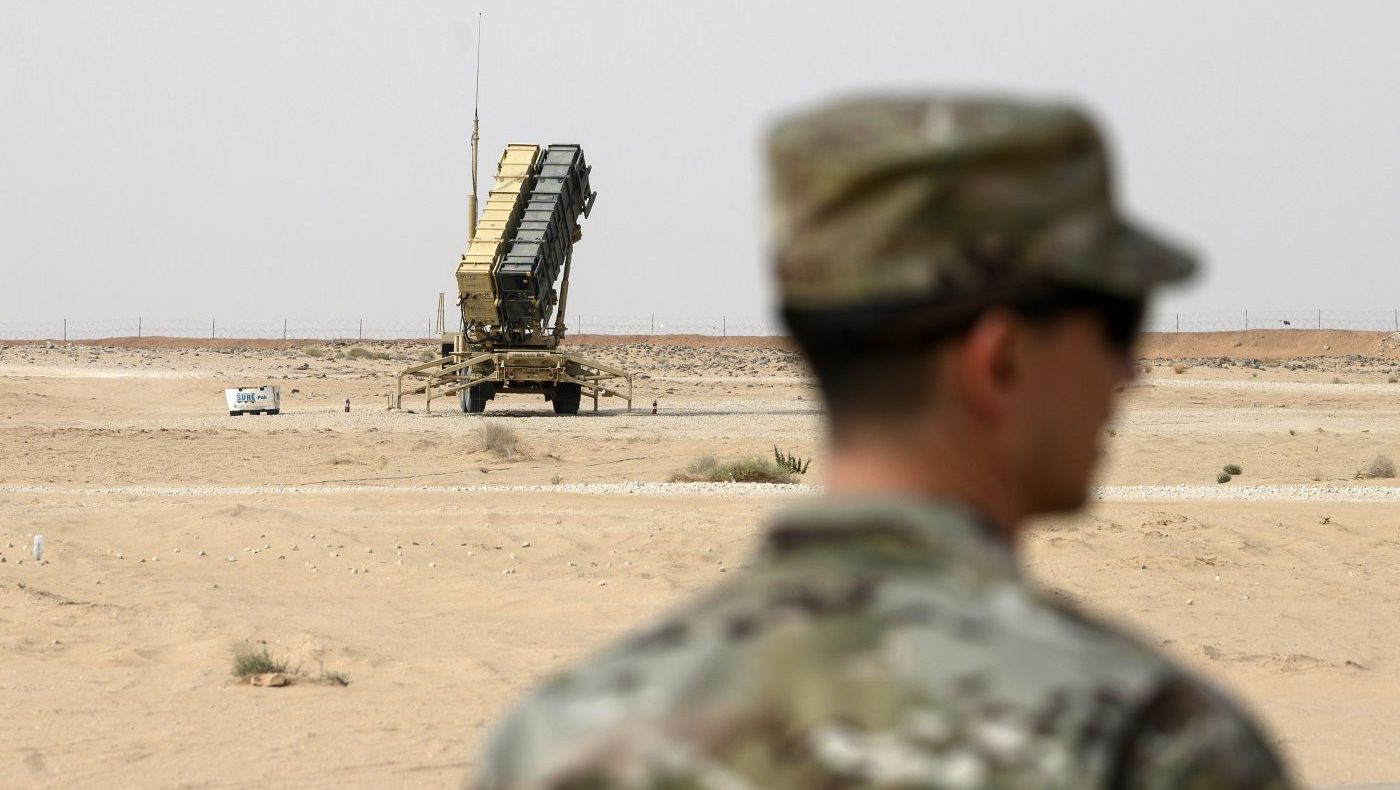
The U.S. Army has inked a massive seven-year deal with Lockheed Martin worth up to $58.6 billion to churn out Patriot interceptor missiles, a move driven by critically low munitions stockpiles after sustained conflicts in Iran and Ukraine.
Announced Wednesday, the agreement converts a previous one-year, $4.7 billion contract awarded in April into a long-term arrangement. Under the new terms, the military expects a steady flow of Patriots through 2032, according to Army officials.
Stockpile Crisis Deepens
The Pentagon's Patriot inventory stood at 2,330 interceptors before the Iran war began, but more than half were expended by the time a ceasefire took effect in April. Continued fighting has slashed the number further to an estimated 759 to 827 rounds, per the Center for Strategic and International Studies.
Other key munitions are also stretched thin. The Iran conflict and Russia's war in Ukraine have drained stocks of Tomahawk cruise missiles and Terminal High Altitude Area Defense (THAAD) interceptors. The Pentagon hopes to replenish THAAD with a separate, potential $35 billion contract awarded to Lockheed in June.
Funding Hurdles
Both the Patriot and THAAD contracts remain "undefinitized," meaning they cannot be fully funded or finalized until Congress approves the spending. The Trump administration has been pressing top defense contractors to accelerate production, hosting CEOs at the White House in March and again in June to hash out faster armaments pipelines.
In the meantime, U.S. commanders in the Middle East have adopted a risky tactic: letting Iranian drones and missiles pass through defenses if they are assessed to pose no threat to troops, facilities, or allies. This conserves interceptors but leaves service members vulnerable.
Deadly Consequences
The approach has already proved costly. On July 17, an Iranian strike killed three U.S. service members in Jordan. The next day, a fourth American soldier died in Iraq during a controlled detonation of an Iranian drone. At least 18 U.S. troops have been killed in the conflict overall.
Lockheed's new contract is part of a broader push to rebuild dangerously low missile stockpiles that analysts warn could affect readiness in future conflicts. The Pentagon has also authorized Patriot production licenses for Ukraine, where deep strikes into Russia have rattled Moscow's elite.
The long-term nature of the contract signals that the Pentagon expects demand for Patriots to remain high for years, even as it scrambles to balance current operational needs with rebuilding reserves for potential future wars.