Fresh clashes between Washington and Tehran have further drained America's already thin supplies of advanced missile interceptors, raising alarms about the military's readiness if the Trump administration opts for a broader conflict, according to a new report from the Center for Strategic and International Studies (CSIS).
Stockpile Numbers Plummet
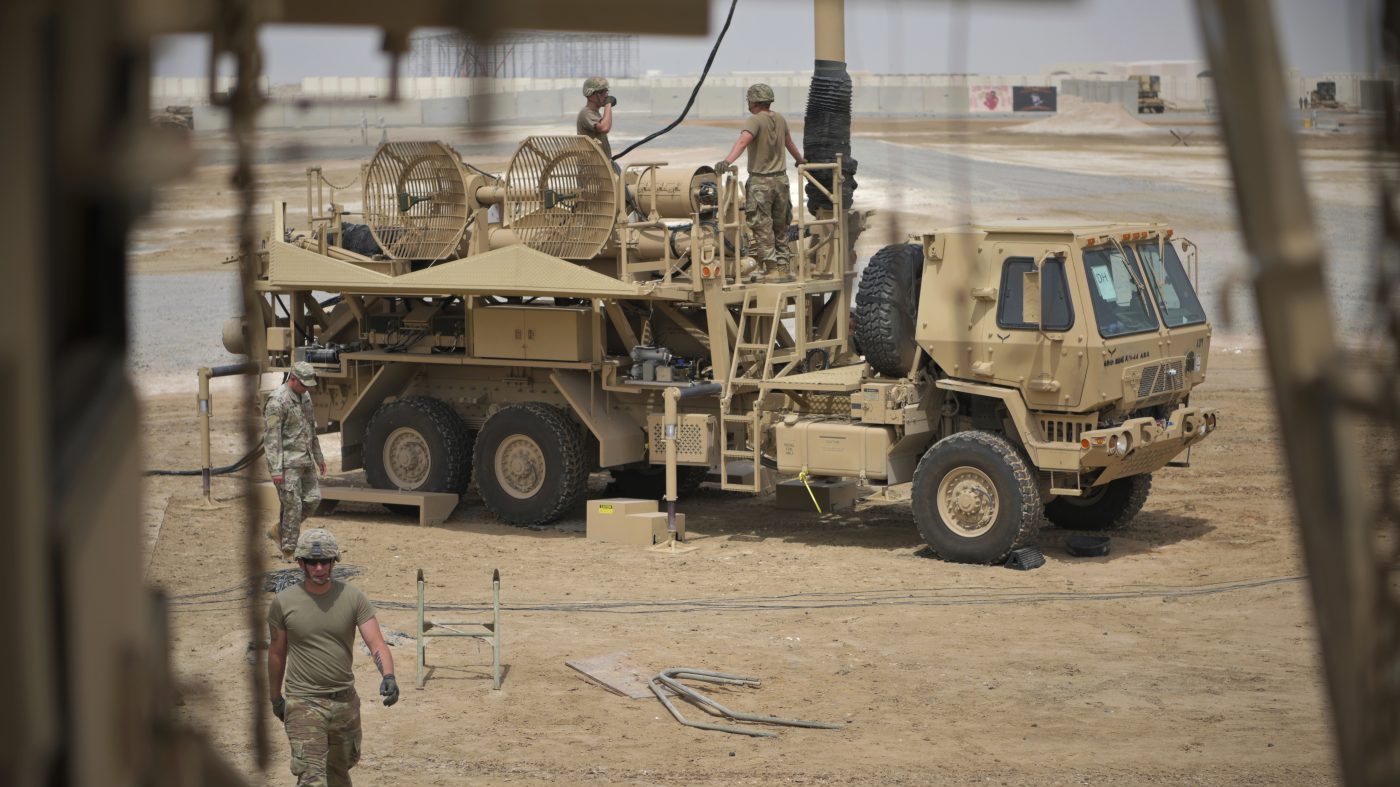
Before the war, the U.S. held 2,330 Patriot interceptors. That figure was cut by more than half by the time a ceasefire was reached in April, and the recent uptick in fighting has pushed the estimated total down to between 759 and 827. The THAAD interceptor inventory, which stood at 452 prior to the conflict, has taken a 38 percent hit, now estimated at 234 to 278 units.
The CSIS analysis, released Monday, warns that these shrinking inventories “may force the United States and its coalition partners to take more risks with interceptions.” The analysts underscored that there are no viable substitutes for Patriot and THAAD systems in ballistic missile defense, noting that Navy ships equipped with Standard Missiles are often positioned too far from the action to provide timely cover.
The state of U.S. munitions has come under increasing scrutiny as the Iran war enters its sixth month with no clear end in sight. A recent NBC News report revealed that military commanders have been letting some Iranian drones and missiles pass through defenses when they are assessed to pose no immediate threat to troops, facilities, or allies in the Middle East—a tactic aimed at conserving precious interceptors.
That strategy, however, carries inherent risks. In a July 17 strike on Jordan, three U.S. service members were killed. Another American soldier died the following day in Iraq during a controlled detonation of an Iranian drone. At least 18 U.S. personnel have been killed in the conflict so far.
General Dan Caine, chair of the Joint Chiefs of Staff, has informed President Trump that the dwindling interceptor stockpiles could constrain military operations in Iran, as reported by The Associated Press. Meanwhile, administration officials have been pressing Congress for tens of billions of dollars to replenish expended missiles and interceptors. Defense Secretary Pete Hegseth testified last week that the war has cost an estimated $37.5 billion.
Pentagon spokesperson Sean Parnell pushed back on concerns about readiness, telling the AP: “America’s military is the most powerful in the world and has everything it needs to execute at the time and place of the President’s choosing. We have executed multiple successful operations across combatant commands while ensuring the U.S. military possesses a deep arsenal of capabilities to protect our people and our interests.”
The analysis adds to a growing body of evidence that the U.S. military's logistical backbone is under severe strain. For context, the challenges in the Middle East echo broader concerns about defense readiness, as seen in the ongoing delays and cost overruns on programs like Air Force One. Meanwhile, the conflict's economic ripple effects continue, with oil prices surging after joint U.S.-Saudi strikes on Iran-backed militias in Iraq.